When Is the Best Time to Visit Ireland? A Season-by-Season Guide
This website uses affiliate links which may earn a small commission at no extra cost to you. Thank you for your support.
Ireland is a country of timeless beauty, where the seasons bring their own unique charm. From the vibrant wildflowers of spring to the cosy magic of winter, every time of year offers something special for visitors. However, deciding on the best time to visit Ireland depends on the kind of experience you’re looking for. Will it be outdoor adventures, scenic road trips, festive celebrations, or a peaceful retreat?
This guide will walk you through Ireland’s seasons, breaking down the weather, events, and top attractions so you can choose the best time to visit.
Ireland’s Climate and Seasons
Ireland’s weather is famously unpredictable, but its unique location and geology create a temperate climate that’s surprisingly mild. Thanks to the warming effects of the Gulf Stream, winters are far less harsh than in other countries at similar latitudes, and summers remain cool and pleasant. This makes Ireland a year-round destination, where no season is too extreme for exploration.
Rain is a regular visitor here, earning Ireland its nickname, the “Emerald Isle,” with its lush green landscapes. But don’t let the rain deter you, it often gives way to clear skies and spectacular rainbows. The island’s maritime climate means you can experience sunshine, rain, and wind all on the same day.
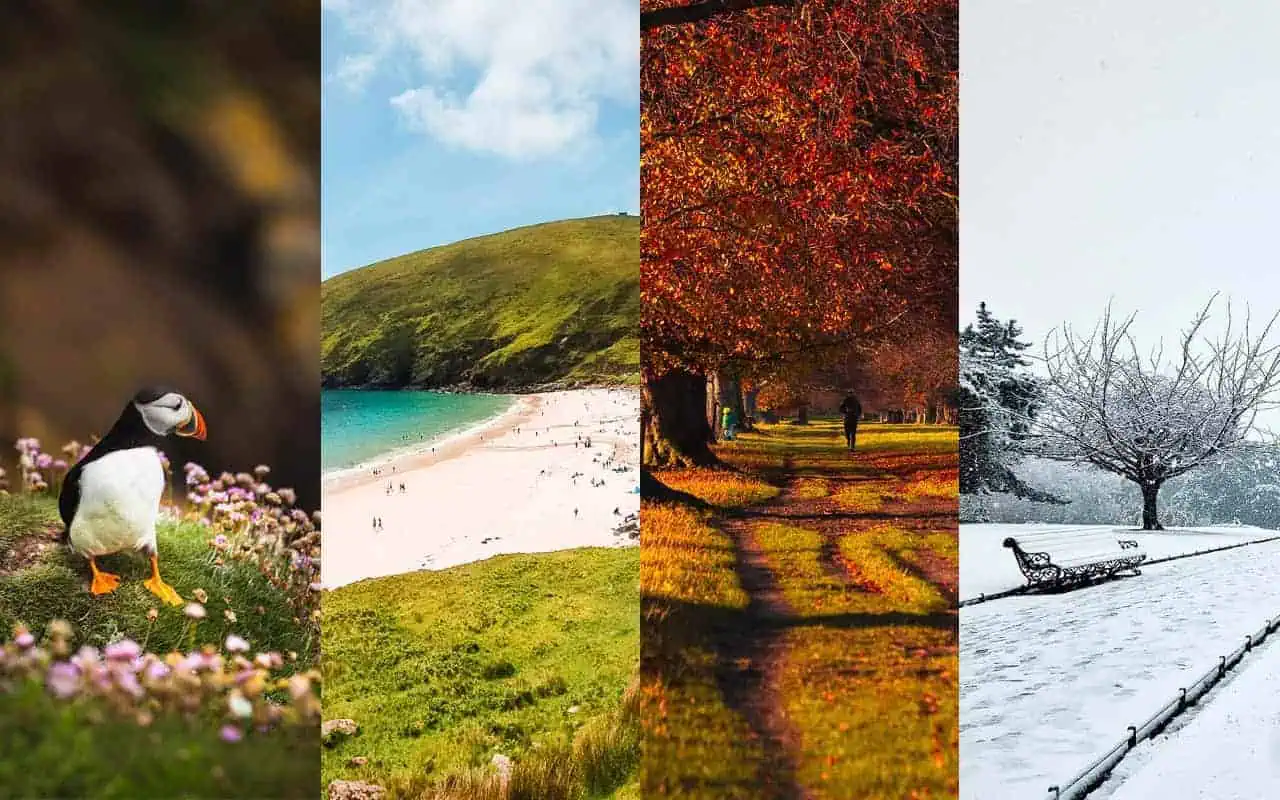
Each season offers a different perspective on Ireland’s natural beauty. From the vibrant blooms of spring to the long days of summer, the golden hues of autumn, and the cosy charm of winter, every time of year brings its own rewards.
Here’s a quick look at what each season offers:
When to visit
Choose a province, then click a month to explore.
Reasons to visit or Avoid Ireland season-by-season
Spring (March to May)

Spring in Ireland is a time when the landscape comes alive with blooming flowers and vibrant greenery. Temperatures begin to warm, averaging between 8-15°C (46-59°F), and the days grow noticeably longer, with daylight hours stretching up to 16 by late May.
While the weather can be unpredictable, from my experience living here, May is generally one of the best months of the year with many sunny and warm days.
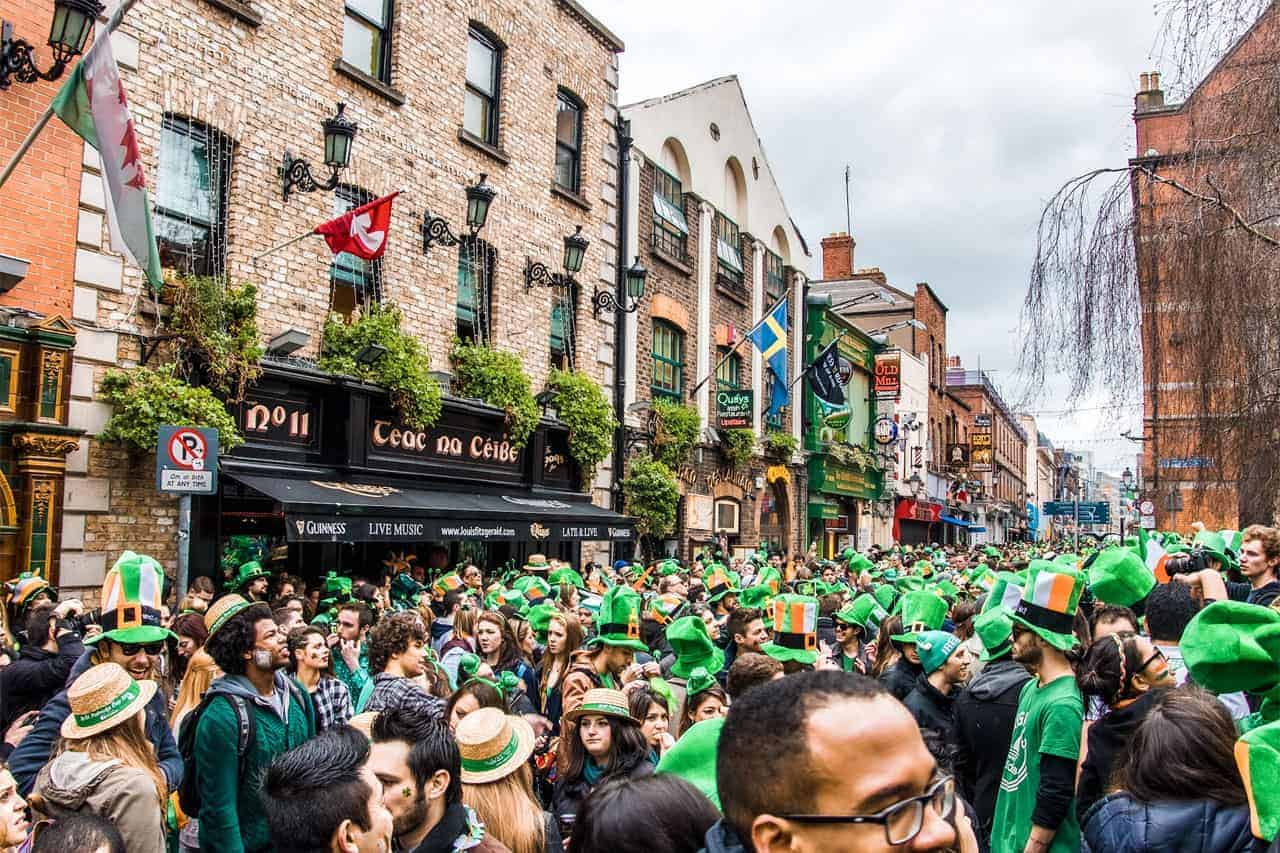
This season offers a quieter, more serene travel experience compared to the summer rush. Although cities get very busy around the St Patrick’s celebrations (march 17th) especially Dublin where tourists flood the streets of Temple Bar Neighbourhood.
Spring is perfect for coastal walks, scenic drives, and spotting puffins or newborn deer in their natural habitats.
Pros:
- Stunning landscapes with wildflowers and blossoming trees.
- Moderate tourist numbers.
- Prices are lower compared to summer.
Cons:
- Unpredictable weather.
Best Places to Visit
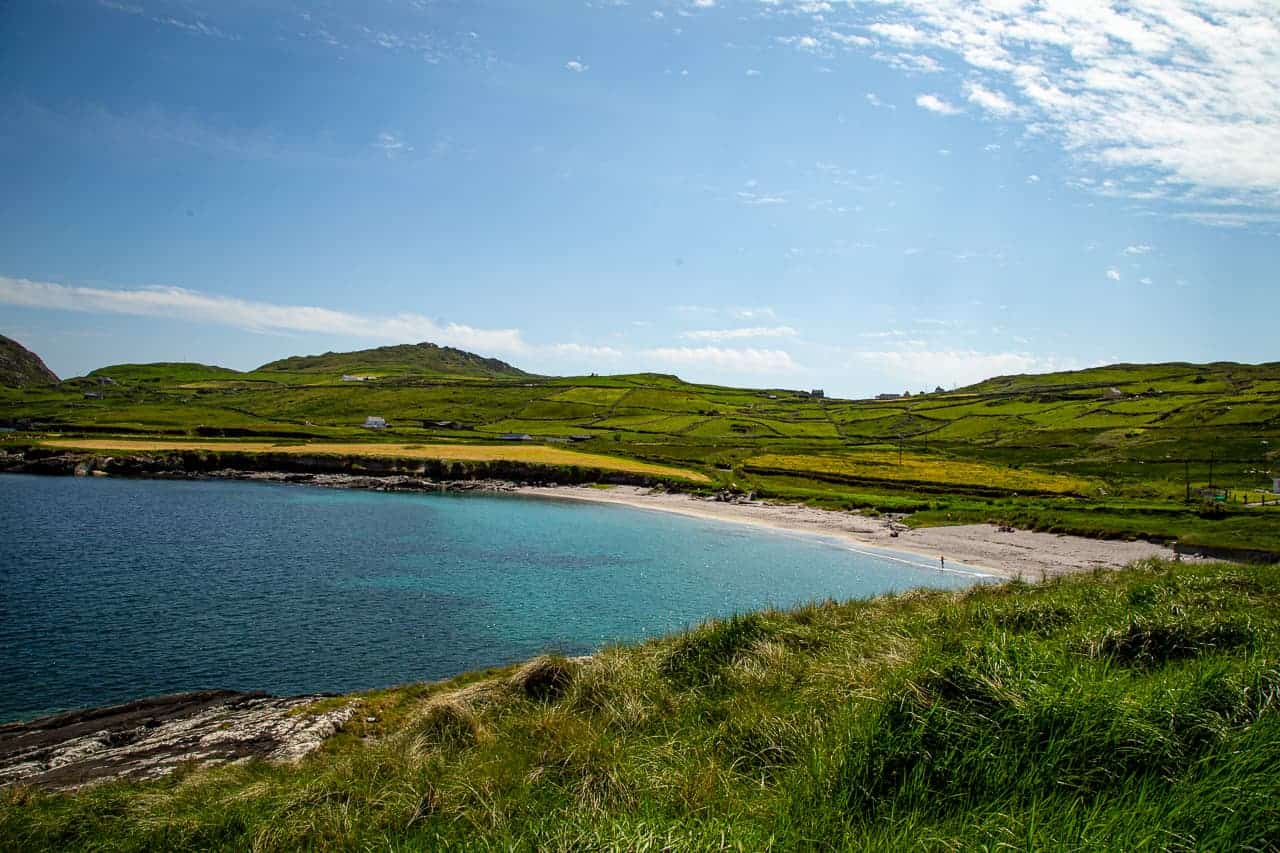
- Kerry and Dingle Peninsula: Scenic drives and coastal walks are perfect for spotting wildflowers.
- Saltee Islands: Prime time to see puffins nesting.
- Glenveagh National Park, Donegal: A haven for spotting newborn deer.
Best Things to Do
- Visit the Cliffs of Moher before the summer rush.
- Celebrate St Patrick’s Day with parades and cultural events.
- Explore national parks like Killarney and Connemara.
Summer (June to August)
Summer is the most popular season for visitors which drives higher prices and booked-out accommodations. Temperatures hover between 15-20°C (59-68°F), making it the warmest time of the year, however, it is not always sunny! In the last few years, summer in Ireland has been very rainy and cloudy, so don’t expect to be warm like on the continent. When there is no sun, 20°C (68°F) can feel cold in Ireland.
However, one of the best things about visiting Ireland in the summer is the long daylight hours, sometimes lasting up to 18 hours! This provides ample time to enjoy outdoor adventures and scenic drives around the country.
If you are into music, Ireland is a great spot to visit in the summer, with its many music festivals and outdoor concerts. Finally, tourist attractions, guided tours, and seasonal activities like boat trips to Skellig Michael operate in full swing.
Pros:
- Perfect weather for outdoor activities.
- Vibrant festivals and cultural events.
- Attractions operate at full capacity.
Cons:
- Peak tourist season; higher prices and crowds.
- Accommodation can be booked out early.
Best Places to Visit
- Wild Atlantic Way: Drive this iconic coastal route under blue skies.
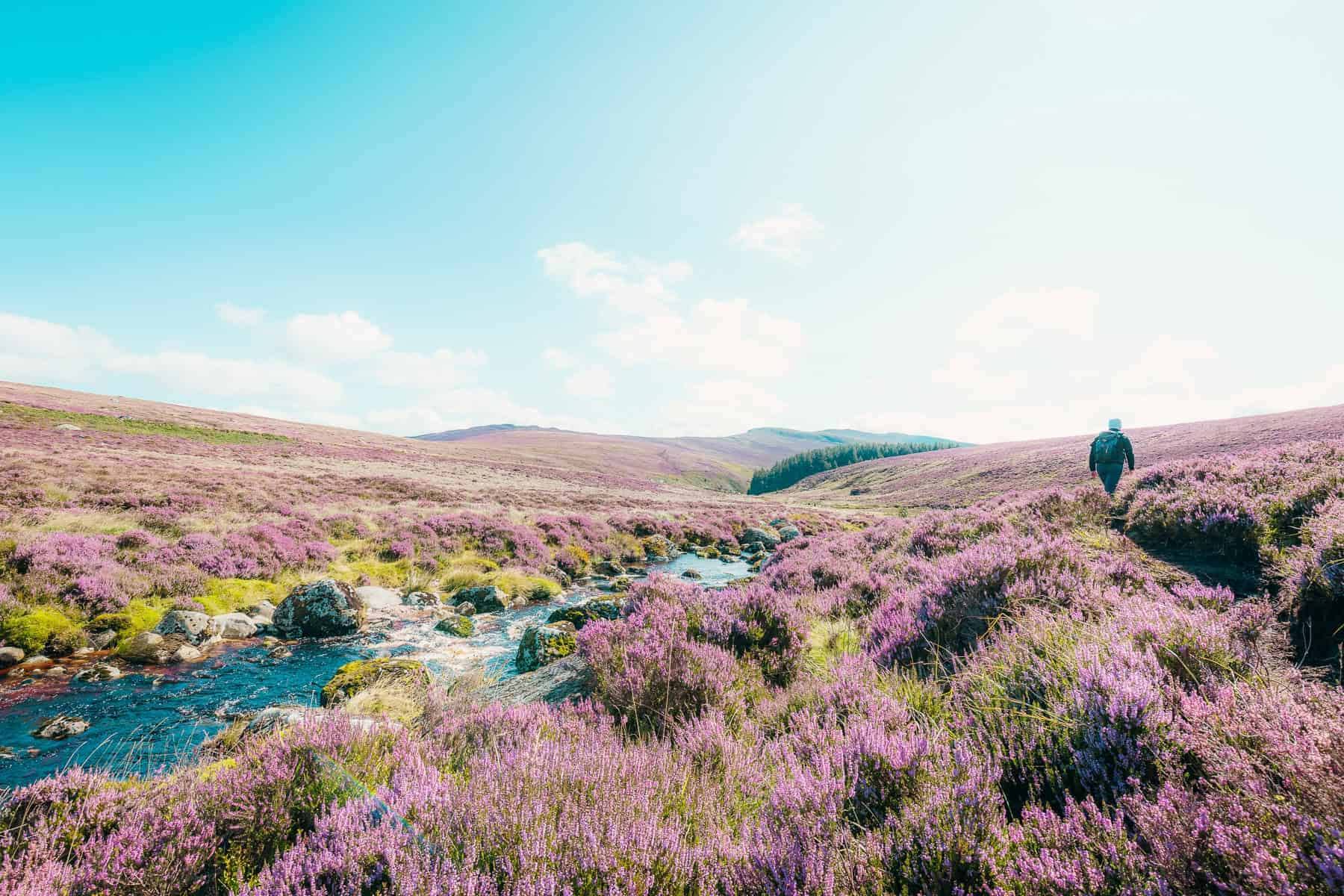
- Wicklow Mountains: Experience the “Garden of Ireland” at its most colourful with heathers in full bloom. My favourite hike to see the bloom is Lough Ouler, Tonalagee (but you can also see them hiking Scarr or Luggala, some of the best hikes near Dublin)
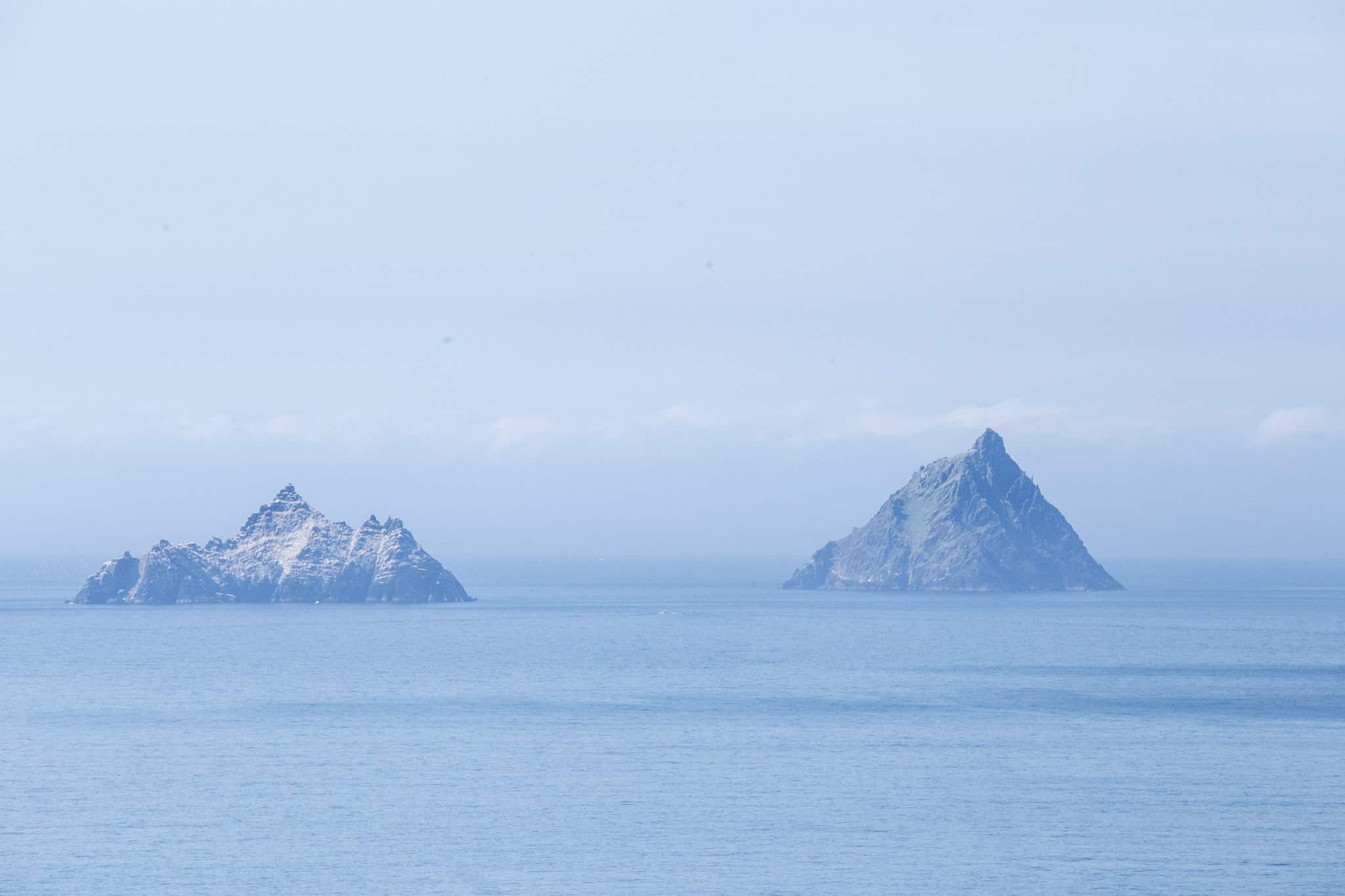
- Skellig Michael: boats regularly operate to these dramatic islands, a UNESCO World Heritage site.

Best Things to Do
- Attend festivals like the Galway Arts Festival or Dublin Pride.
- Hire a bike for the day and discover the Aran islands at your own pace.
- Attend a local Gaelic game match (GAA)
- Go Whale watching from Baltimore harbour
- Go glamping! This is a great way to explore the countryside and stay in a charming location.
- Enjoy stunning beaches and water sports in the mild summer weather.
Autumn (September to November)

Autumn in Ireland is a feast for the eyes, with golden foliage transforming the landscape into a painter’s dream. Temperatures cool to 10-16°C (50-61°F), and daylight hours begin to shorten, creating a cosy atmosphere perfect for slower-paced exploration.
Early September is often marked by a surge of heat waves that can last for a week or two. This is well known amongst locals who always joke the best weather happens when the kids go back to school (or are taking their leaving cert at the end of June).
The season’s quieter vibe means fewer crowds, making it ideal for peaceful hikes, scenic drives, and capturing the beauty of Killarney National Park or Glendalough. It is a great season to book a cosy cabin in the countryside, and enjoy a slow morning with homemade breakfast and a book before exploring the surroundings!
Autumn also brings Halloween festivals and pumpkin patches which locals love visiting on the weekends. It’s a season to unwind and enjoy Ireland’s natural beauty at a relaxed pace.
Pros:
- Beautiful autumn foliage.
- Fewer tourists and quieter attractions.
- Lower prices for flights and accommodation.
Cons:
- Shorter daylight hours.
- Increased chances of rain.
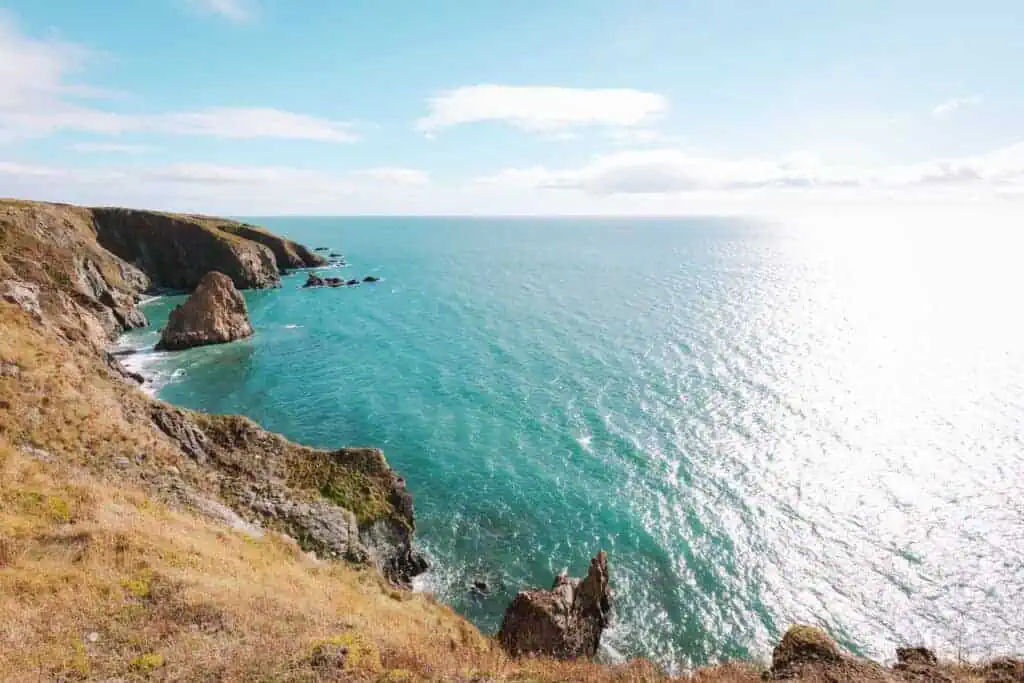
Best Places to Visit
- Glendalough: Enjoy peaceful walks amid golden hues.
- Killarney National Park: Famous for its spectacular autumn foliage, particularly around the lakes and woodlands.
- Copper Coast, Waterford: Enjoy stunning coastal views with pleasant weather and fewer crowds.
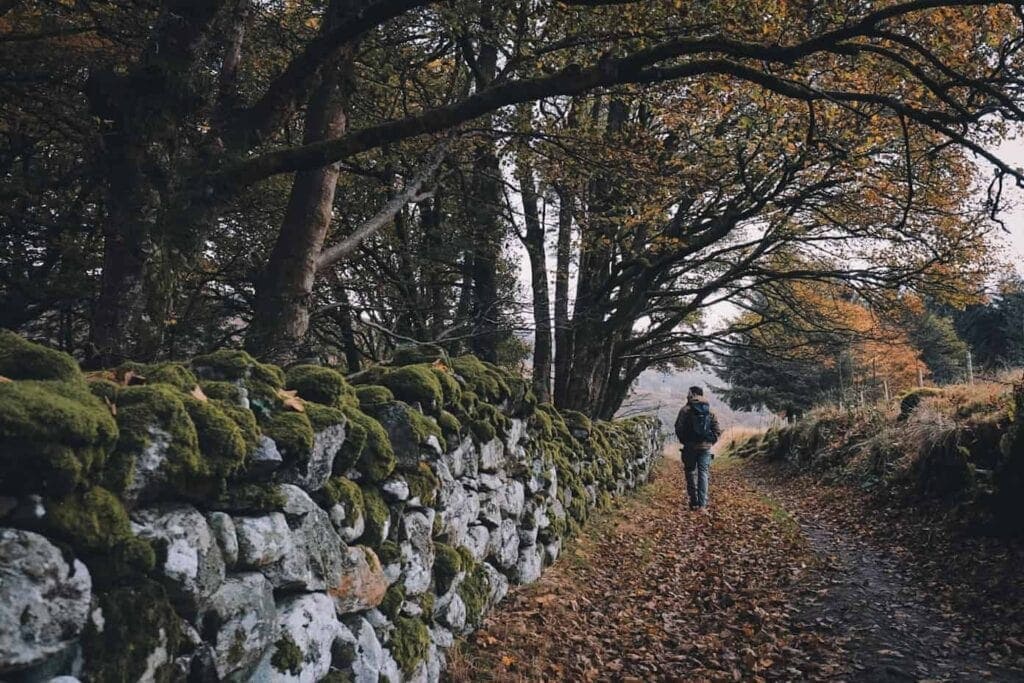
Best Things to Do
- Attend the Cork Jazz Festival in late October.
- Book a cosy cabin and enjoy a peaceful retreat in the countryside.
- Celebrate Halloween and join a local event like the Puca Festival. You can also take some ghost tours in Dublin.
- Enjoy the beautiful autumn colours around the country. Here are the best spots to see them in Dublin!
Winter (December to February)

Winter in Ireland is a season of cosy charm and festive magic. With temperatures ranging from 4-9°C (39-48°F) on average, it’s the coldest time of year, but the warmth of Irish hospitality more than makes up for it. Daylight hours are short, at just 7-8 hours.
Snow is a rare occurrence, but if you happen to visit during a cold snap, you may see some on the higher peaks of Wicklow, Donegal and Connaught.
Yet, Ireland is still worth visiting in Winter! It is the best time of the year for exploring cities like Dublin, Galway or Waterford and enjoying their twinkling streetlights and bustling Christmas markets.
With fewer crowds, prices are usually at their lowest and you can often get promotions on accommodation, especially in January and February.
While some attractions will be closed to the public, you can also explore Ireland’s iconic sites, like Newgrange during the Winter Solstice (if you are picked through a lottery system – more info here). It’s a wonderful time to experience Ireland’s rich history and festive cheer.
Pros:
- Quiet attractions and lower costs.
- Magical Christmas markets and festive cheer.
- Cosy pub culture is at its best.
Cons:
- Limited daylight hours (as few as 7 hours in December).
- Some attractions close for the season.
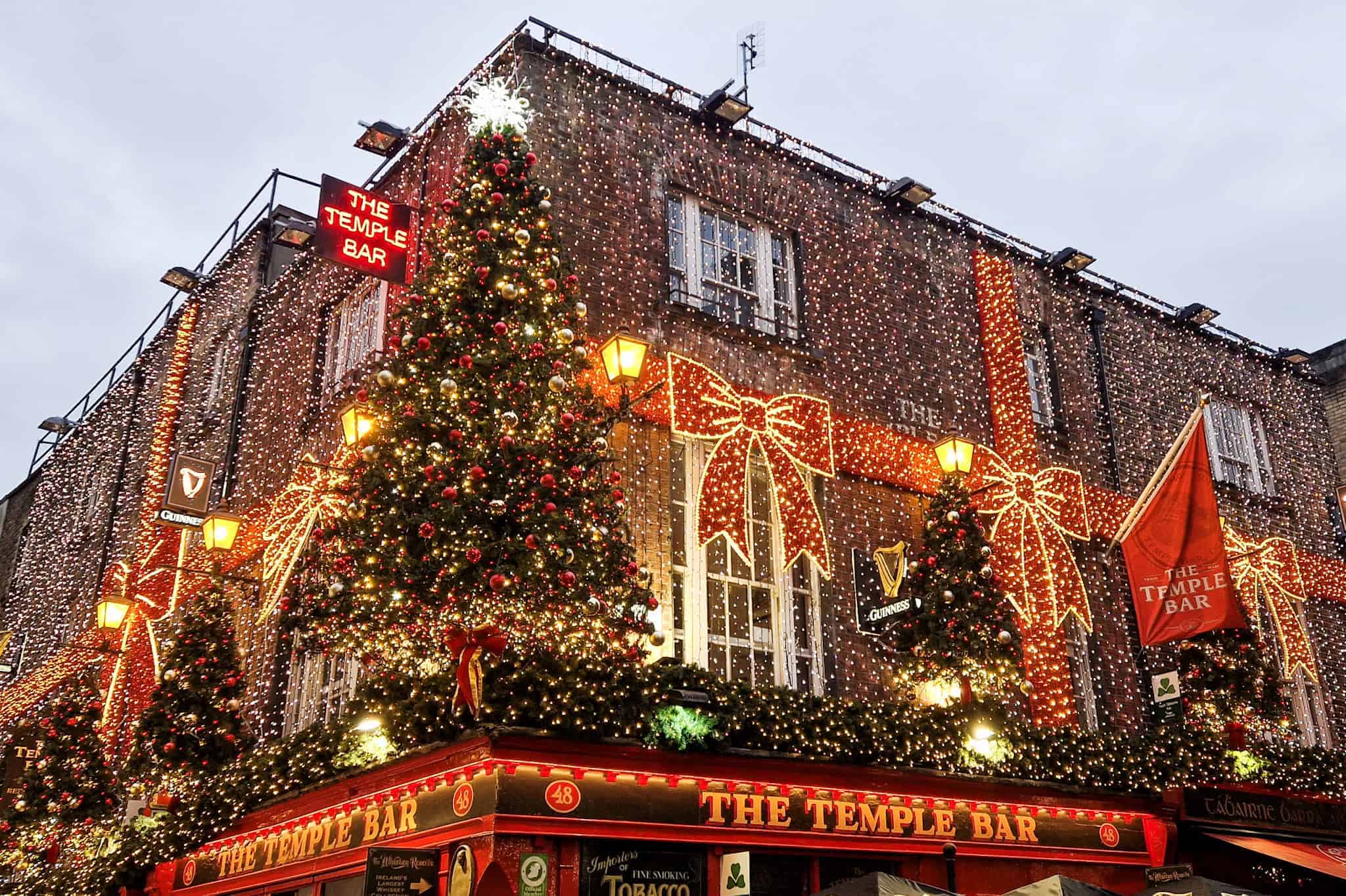
Best Places to Visit
- Dublin: Visit the light displays and explore the city’s museums.
- Kilkenny: Enjoy its medieval charm with fewer visitors.
- Belfast: visit the Titanic Museum and enjoy street food at the Christmas markets.
- Waterford: go to Winterval, the biggest Christmas in Ireland!
- Boyne Valley: Newgrange’s Winter Solstice (if you’re lucky to get picked!).

Best Things to Do
- Experience a traditional Irish Christmas if you have friends or family in Ireland.
- Explore museums and enjoy indoor activities.
- Walk around the cities at night to see the streetlights, grab a hot drink or go ice-skating at one of the Christmas markets!
- Warm up with traditional Irish stew and Guinness by a roaring fire in the local pub.
- Look for Northern lights (rare event but you can be lucky!)
Finding the Cheapest Hotel Prices in Ireland
Hotel prices in Ireland can fluctuate significantly depending on the time of year. Summer tends to be the priciest season, with crowds flocking to enjoy the scenic countryside, cities, and festivals.
However, if you’re flexible, winter (excluding the Christmas and New Year period) and early spring offer the best opportunities for bargain stays.
Tips for Affordable Accommodation in Ireland
- Book midweek: Weekday stays are generally cheaper than weekends.
- Book in advance: Aim for 2–3 months ahead to secure discounts.
- Opt for free cancellation: This allows you to rebook if prices drop.
- Look for package deals: Airlines like Aer Lingus often bundle flights and hotels.
- Consider staying outside city centres: Suburbs or neighbouring towns can offer significant savings.
Finding the Cheapest Flights to Ireland
Getting cheap flights to Ireland requires good timing and a bit of flexibility. The most affordable fares are typically found between January and March.
Being flexible with your travel dates can significantly reduce costs. Midweek flights, particularly on Tuesdays or Wednesdays, are often cheaper than weekend departures. According to flight comparison tools like Skyscanner and Google Flights, these days tend to have the best deals. Setting up fare alerts can help you stay on top of price drops so you never miss a bargain.
When you look at your destination, consider flying into regional airports like Shannon or Cork instead of Dublin. Smaller airports often have lower fares and can provide easier access to specific parts of the country. There are direct flights to the West of the country from the EU and US.
Additionally, flights to Belfast in Northern Ireland may also offer cheaper alternatives, with easy onward travel to the Republic of Ireland.
Tips for Finding Cheap Flights to Ireland
- Book midweek flights: Avoid flying out on Fridays or returning on Sundays.
- Set fare alerts: Use tools like Skyscanner, Kiwi, or Google Flights to track price drops.
- Be flexible with dates: Adjusting your travel plans by a few days can save a lot.
- Check alternative airports: Look into options like Shannon, Cork, or Belfast for better deals.
- Plan early: Booking flights several months in advance often secures the best rates.
Want to find deals or track fares, use the below table to get an instant quote.
Grab our Ultimate Ireland Packing Checklist

Our Ultimate Ireland Packing Checklist PDF is your go-to guide for a stress-free packing experience. This is a 9-page PDF that you can either print or use directly on your device.
Designed with years of experience living in Ireland, I’ve added some tips on what to pack per season, how to organise your bag like a pro, as well as some eco-friendly swaps.
You can also read our dedicated article on Packing for Ireland, here.
How to Get the Checklist
Downloading the checklist is simple. Just enter your email address, and we’ll send it straight to your inbox. As a bonus, you’ll also start receiving our newsletter filled with insider tips, travel guides, and practical advice for planning your trip to Ireland. You can unsubscribe anytime – no strings attached.
Plan Your Perfect Irish Adventure
No matter the season, Ireland offers unforgettable experiences, from spring’s wildflowers to winter’s festive magic. Deciding when to visit comes down to what you value most: long summer days for exploring the Wild Atlantic Way, autumn’s peaceful beauty in Killarney, or the cosy charm of a winter pint by a roaring pub fire.
If you’re still pondering whether winter is worth it, our guide to visiting Ireland in winter highlights the magic of the quieter months. Concerned about the rain? Find out what to expect with our article on Ireland’s weather.
Planning a trip can be overwhelming, but we’ve got you covered with our step-by-step travel planning guide and the ultimate packing checklist. Together, these resources will help you make the most of your trip and ensure you’re ready for whatever the Irish weather might bring!
So pick your season, pack your bags, and get ready for an unforgettable journey to Ireland.

ARE YOU ON PINTEREST?
What about saving this post to your Pinterest board?
Click on the photo to save this blog post for later. Follow Travel Ireland Today’s boards to see our latest pins.

I help you explore Ireland like a local with insider tips, detailed itineraries, and practical advice.
HEY THERE! I’M JEN…
Funder, Author & Photographer behind travelirelandtoday.com
Ireland has been my home for the last 12 years. Before settling here, I spent years backpacking around the globe, visiting 65+ countries. Along the way, I discovered my love for hiking, photography, and crafting budget-friendly itineraries.
Through this website, I share the best things to do and see in Ireland, detailed hiking guides, and practical tips to help you plan your perfect Irish adventure. Let’s make your trip unforgettable!