
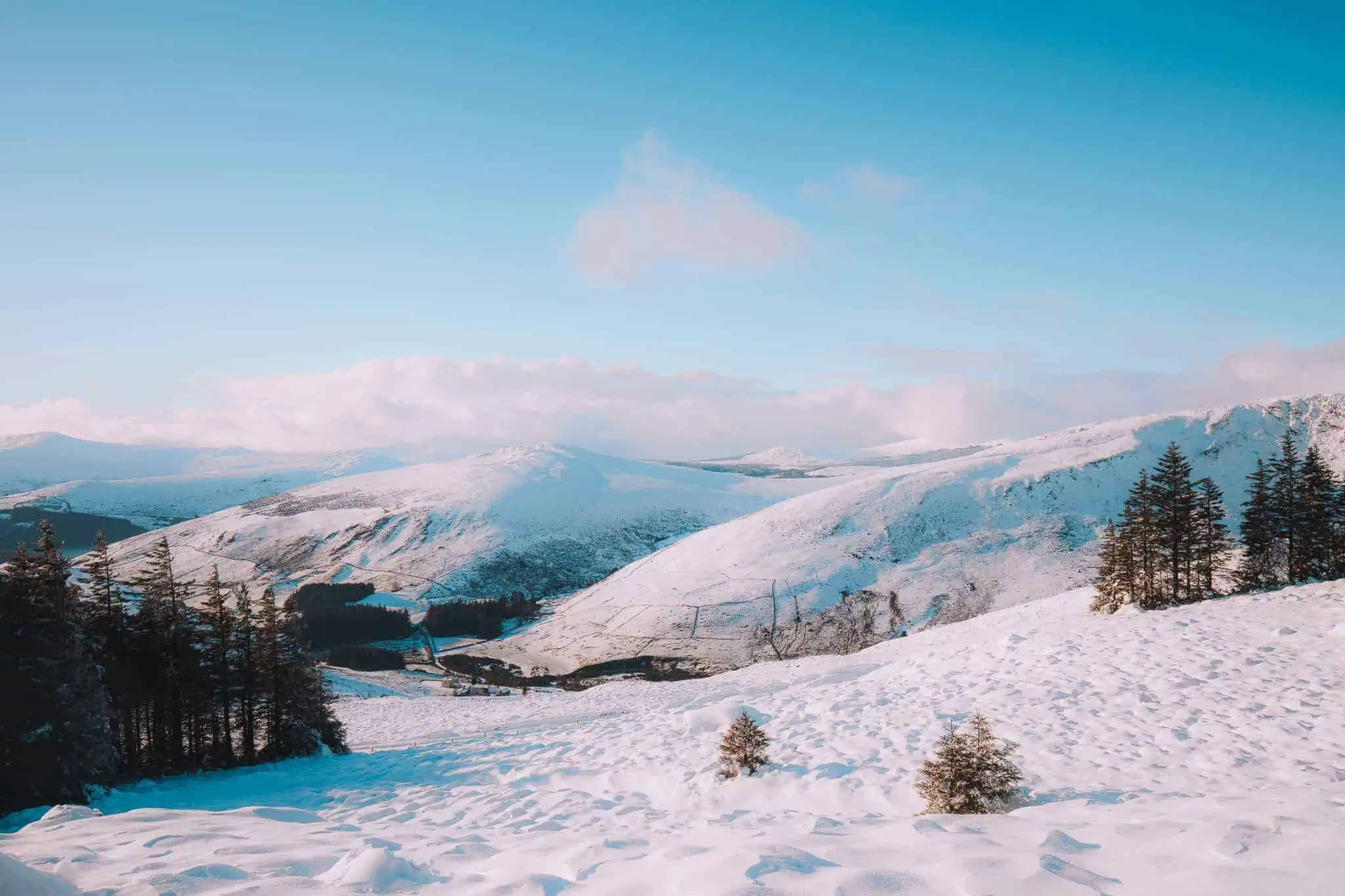
Is Ireland worth visiting in winter?
This website uses affiliate links which may earn a small commission at no extra cost to you. Thank you for your support.
Ireland in winter might not be the first image that comes to mind when you picture a trip to the island. Summer often steals the spotlight with festivals, longer days, and green landscapes under the occasional sunshine. But a quieter, more intimate side to Ireland comes alive in the colder months—a side filled with roaring pub fires and frosty landscapes.
Winter in Ireland is about slowing down and enjoying the season’s magic. It is a time when the tourist crowds thin out, and you’re left with a more local and authentic experience. But is it worth it? With shorter days, brisk weather, and the occasional rain, winter travel comes with challenges.
In this guide, we’ll detail what makes Ireland in winter so special, from its festive charm to practical tips for making the most of your trip. By the end, you’ll have everything you need to decide if a winter visit to Ireland is right for you. Spoiler alert: it just might be.
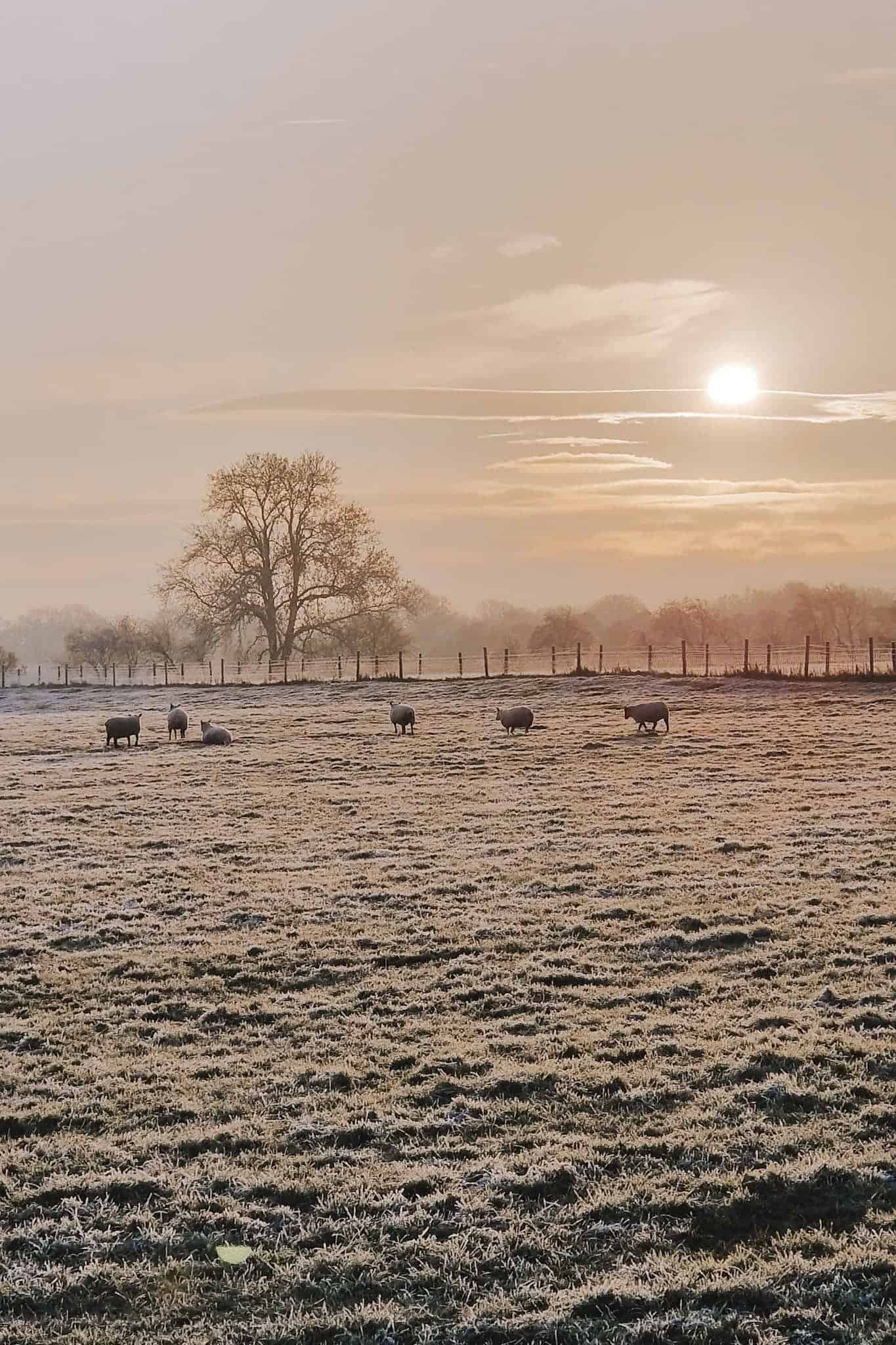

What is Ireland like in the winter?
Mild Winter Weather
Ireland’s winters are refreshingly mild compared to other parts of Europe or North America. While you’ll need to bundle up, you won’t face the bitter cold or heavy snow that often defines winter elsewhere.
Rain is more frequent than snow, especially in the coastal areas. Showers are often light and intermittent rather than torrential downpours, so a good raincoat and waterproof shoes will suffice for most days. The west of Ireland is particularly humid, with the Atlantic winds amplifying the feeling of moisture in the air.
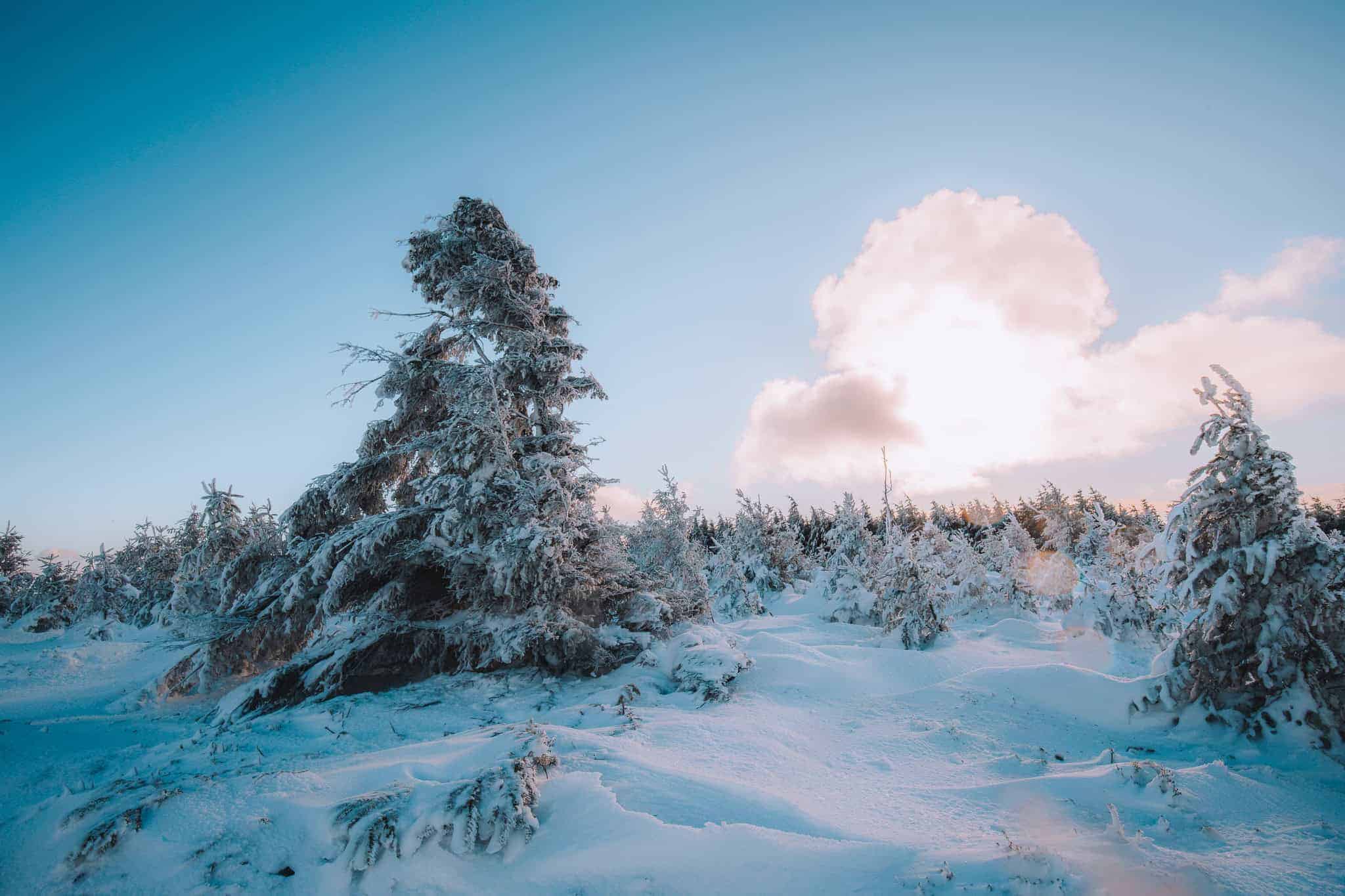
While snow is not common in Irish winters, you might encounter snow-dusted landscapes at higher altitudes, such as the Wicklow Mountains or the west coast peaks like Croagh Patrick, Errigal, or the Connemara 12 Bens. These fleeting snowy scenes add a magical touch to the scenery but are rare enough to be a treat.
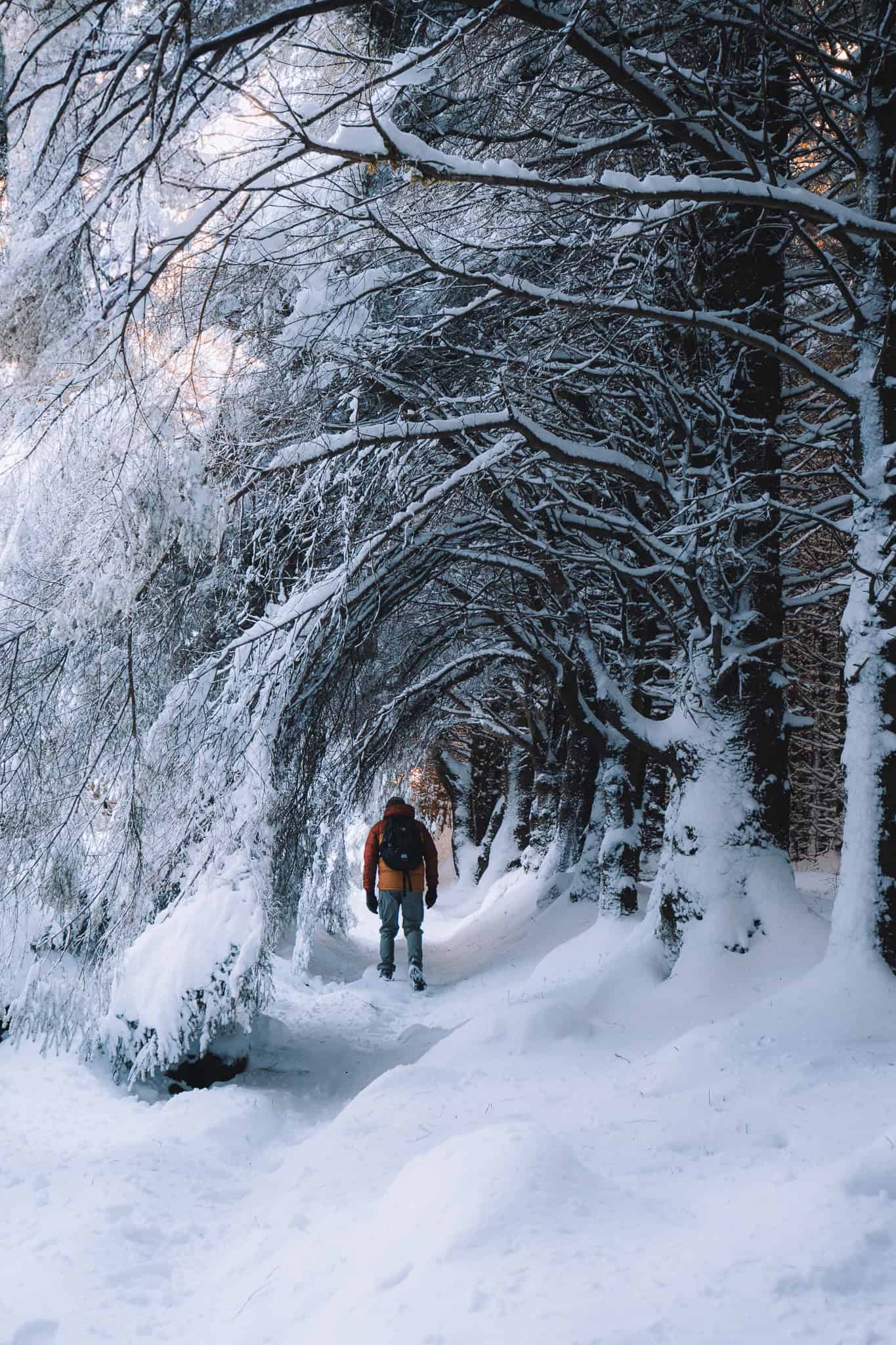

Cities such as Dublin or Cork might see snow once a year, thanks to the moderating effects of the Gulf Stream. It rarely lasts more than a couple of hours but there have been instances where snow fell in high abundance. Ask anyone about the “Beast from the East” in March 2018 or the “Big Freeze” of 2009!
Recently, in January 2025, the country saw a weekly-long cold snap with many counties stuck in the snow. This has had some effect on difficult driving conditions and the electricity network outage. If you happen to be travelling in Ireland with such conditions, always follow Met Eireann weather warnings and adjust your plan.
Ireland’s wind, especially along the coast, can be bracing in winter. The Atlantic winds are strong, and when storms lash out the island, orange warnings aren’t rare. Layering with a windproof jacket or scarf is a must, particularly if you’re exploring open landscapes like the Cliffs of Moher or Giant’s Causeway. Umbrellas in Ireland are a miss, no need to bring one, it will end up broken in the bin!
Average Temperatures & daylight
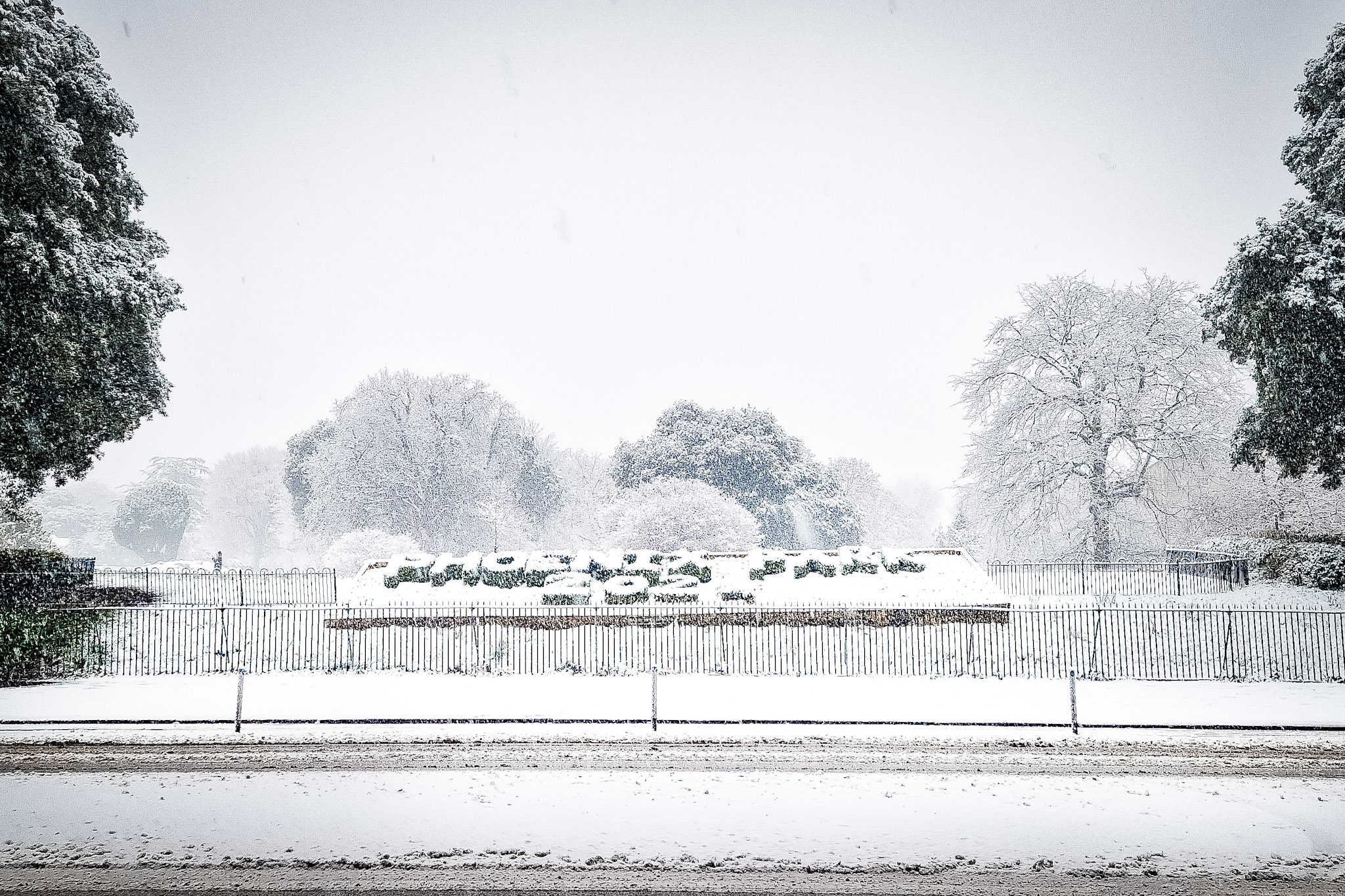
Daytime temperatures typically range from 2–8°C (36–46°F), making Ireland’s winter relatively mild. Nighttime temperatures dip lower but rarely fall below freezing in most areas.
The days are short, with daylight hours starting around 8-9 AM and fading by 4-5 PM at the height of winter in December. However, as the season progresses into January and February, daylight stretches longer, making exploring easier.
| Month | Average High | Average Low | Daylight hours Approx. | Av. Rainfall |
|---|---|---|---|---|
| November | 10 °C (50F) | 5 °C (41F) | 8.5 | 100 mm |
| December | 8 °C (46F) | 3 °C (37F) | 7.5 | 120 mm |
| January | 8 °C (48F) | 2 °C (36F) | 8 | 110 mm |
| February | 9 °C (48F) | 3 °C (37F) | 9 | 90 mm |
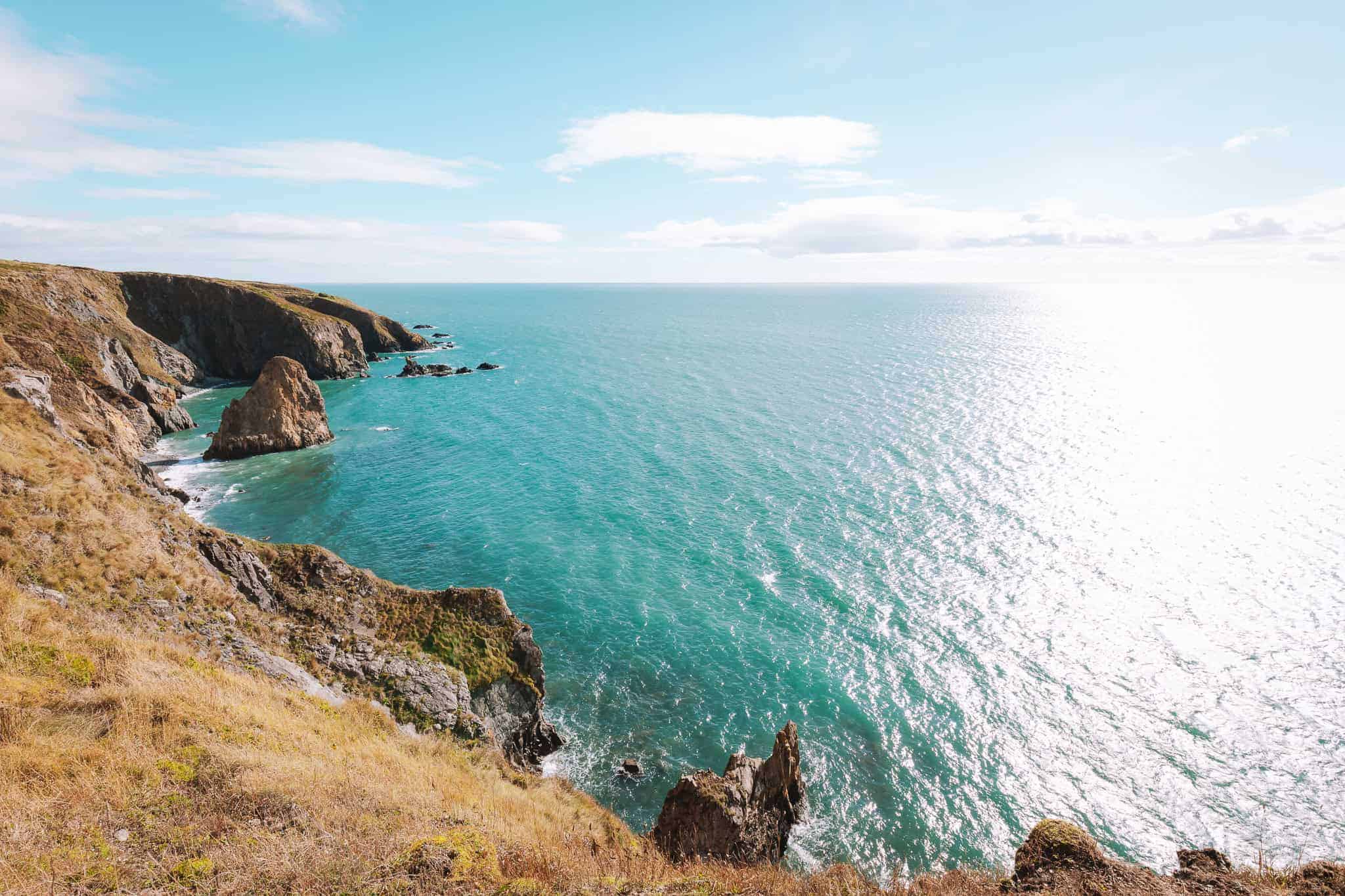
What are the winter months in Ireland? Ireland’s winter runs from November to February, with the coldest and darkest days occurring in December and January.
What is the coldest month in Ireland? January is typically the coldest month, with average temperatures ranging from 2°C to 8°C (36°F to 46°F).
Does it snow in Ireland? Snow is rare in Ireland, especially in coastal areas. When it does snow, it’s usually light and short-lived, with higher chances in inland or mountainous regions.
Is it worth going to Ireland in December? Absolutely! December brings festive charm with Christmas markets, street lights, and cosy pubs. It’s a magical time to experience Ireland’s traditions and winter beauty.
What is the average snowfall in Ireland? Snowfall in Ireland averages just 5-10 days per year, mostly in higher altitudes or more inland areas. Coastal regions rarely see significant snow.
Fewer Crowds…
One of the most rewarding aspects of visiting Ireland in winter is the chance to experience its quieter, more intimate side. The summer crowds that flock to iconic sites like the Cliffs of Moher or the Ring of Kerry are long gone, leaving these breathtaking destinations free of the hustle and bustle.
In fact, in 2023, Ireland welcomed over 6.3 million visitors, but just 15% came during the winter months of December through February. It’s a special time to explore the island at your own pace, free from the usual crowds.
…Except in the cities
Yet, in the cities, it’s a different story entirely. Dublin, for example, hums with energy in December. Locals from across the country descend on the capital for Christmas shopping. Office parties and the famous 12 Pubs of Christmas pub crawl keep the city buzzing.
This means getting a table at a restaurant without a reservation can be quite tricky, especially at the most popular places. However, if you are here for the party, December is a great time!
Lower Costs
Winter in Ireland can be beneficial for your budget. Flights, accommodations, and even car rentals tend to be cheaper compared to the peak summer months. But let’s not sugarcoat it: Ireland remains an expensive destination, no matter the time of year.
Tips: You can often find accommodations offering “winter packages” in January and February.


Spending the Holidays in Ireland
A traditionally Irish Christmas centres on family and food. On December 24th, extended families meet at the pub for a few drinks before heading home to watch Christmas movies. On the main day, everything closes down. It is time to celebrate with tables covered with roast turkey, glazed ham, and typical desserts like mince pies and Christmas pudding.
Gifts are exchanged before spending the rest of the day playing board games, taking a stroll at the local park and watching more Christmas movies. Some may even partake in the Christmas swim for charity or fun! On Stephen’s day, shops reopen and it’s a great time to either hang out in town or go for a nice hike!
Expect everything to be closed on Christmas day except hotels restaurants and bars. Prefer activities that don’t need an entry ticket, and if you want to experience cities empty, December 25th is the day for it!

Christmas Markets & Holiday events
Ireland’s Christmas markets are another highlight with most cities having their fair share. Dublin will even host several Christmas Markets this year (see our dedicated article about the best holiday & winter events in Dublin). In Waterford, Winterval transforms the city each year into a storybook scene of artisan stalls, light trails, and vintage carousels.
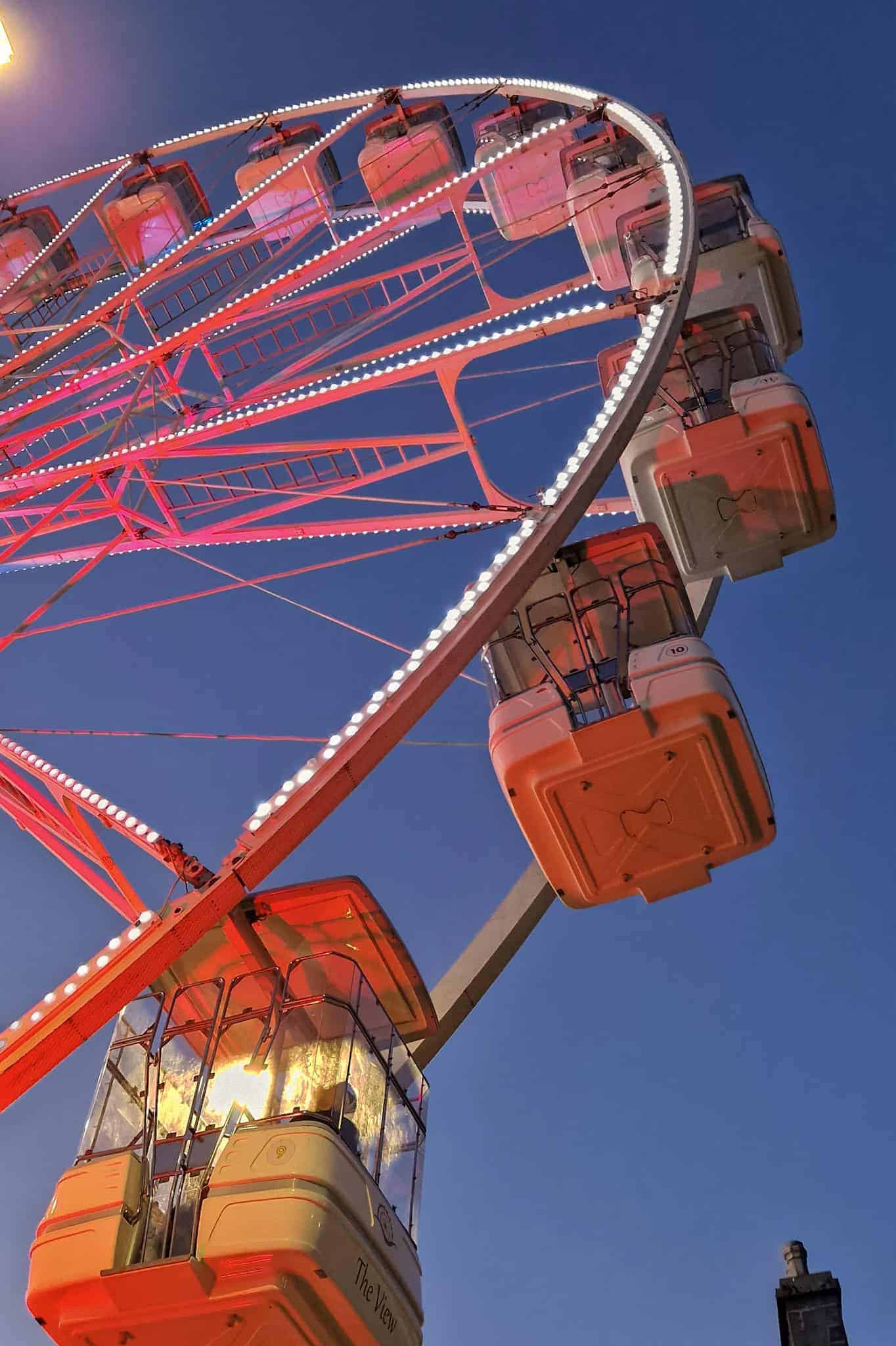
Galway’s market showcases Alpine-style chalets serving mulled wine and handmade gifts, while Cork’s celebrations bring a Ferris wheel and festive charm to the city’s heart. Yulefest Kilkenny combines medieval streets with live music and craft workshops for something smaller and more intimate.
You will also find streets, pubs, and shopping centres beautifully adorned for the holidays. City streetlights and dazzling Christmas displays create a magical atmosphere, with iconic spots like Grafton Street in Dublin shining brightly. Many pubs are decked out in festive decor, while shopping centres become winter wonderlands, perfect for soaking in the holiday spirit.

Wren Day on St. Stephen’s Day (December 26th) is unique to Ireland and not so famous even amongst locals. In towns across the country, musicians and performers don colourful costumes for parades filled with music, dancing, and mischief. It’s a vibrant display of community spirit and one you won’t find anywhere else. Though, these remain quite unknown so make sure to research ahead. The one in Dublin happens near St Stephen’s Green.
Finally, for history lovers, the Winter Solstice at Newgrange is a unique experience, as the early morning sunlight of December 21st illuminates the ancient tomb. Unfortunately, the event is only accessible through a lottery system as the places are limited.
Tips for Visiting Ireland in Winter
Driving conditions in winter
Winter driving in Ireland can be unpredictable. Roads, especially the windy narrow ones in the countryside or the mountains, can be slippery after rain or frost. Early morning, fog often blankets areas like the Wicklow Mountains and valleys, while black ice may also arise on cold days, so be extra careful.
In case of snow, conditions can drastically degrade in a few minutes, with poor visibility and difficult travelling conditions.
💡Make sure to look for the weather warnings in your area before driving.

Pack layers
Ireland’s winter weather is famously uncertain, so packing layers is essential. Pack thermal tops, sweaters, and a reliable waterproof jacket will keep you comfortable. Don’t forget sturdy waterproof shoes, gloves, a scarf, and a hat—you’ll thank yourself when the wind picks up along the cliffs or a drizzle sneaks in.
Plan Around Shorter Daylight Hours
With daylight hours ranging from about 9 AM to 4 PM in the depth of winter, timing is everything. Start your day early to make the most of the light for outdoor activities, saving the evenings for relaxing in pubs or exploring indoor attractions.
Keep an open mind and be flexible
Embrace the unpredictability and have a backup plan for outdoor activities. Rainy days might mean swapping a hike for a visit to a museum or a local coffee shop, but that’s part of the charm. With a flexible mindset, even the surprises become part of the adventure.
What to do in the Winter in Ireland?
Frosty Hike
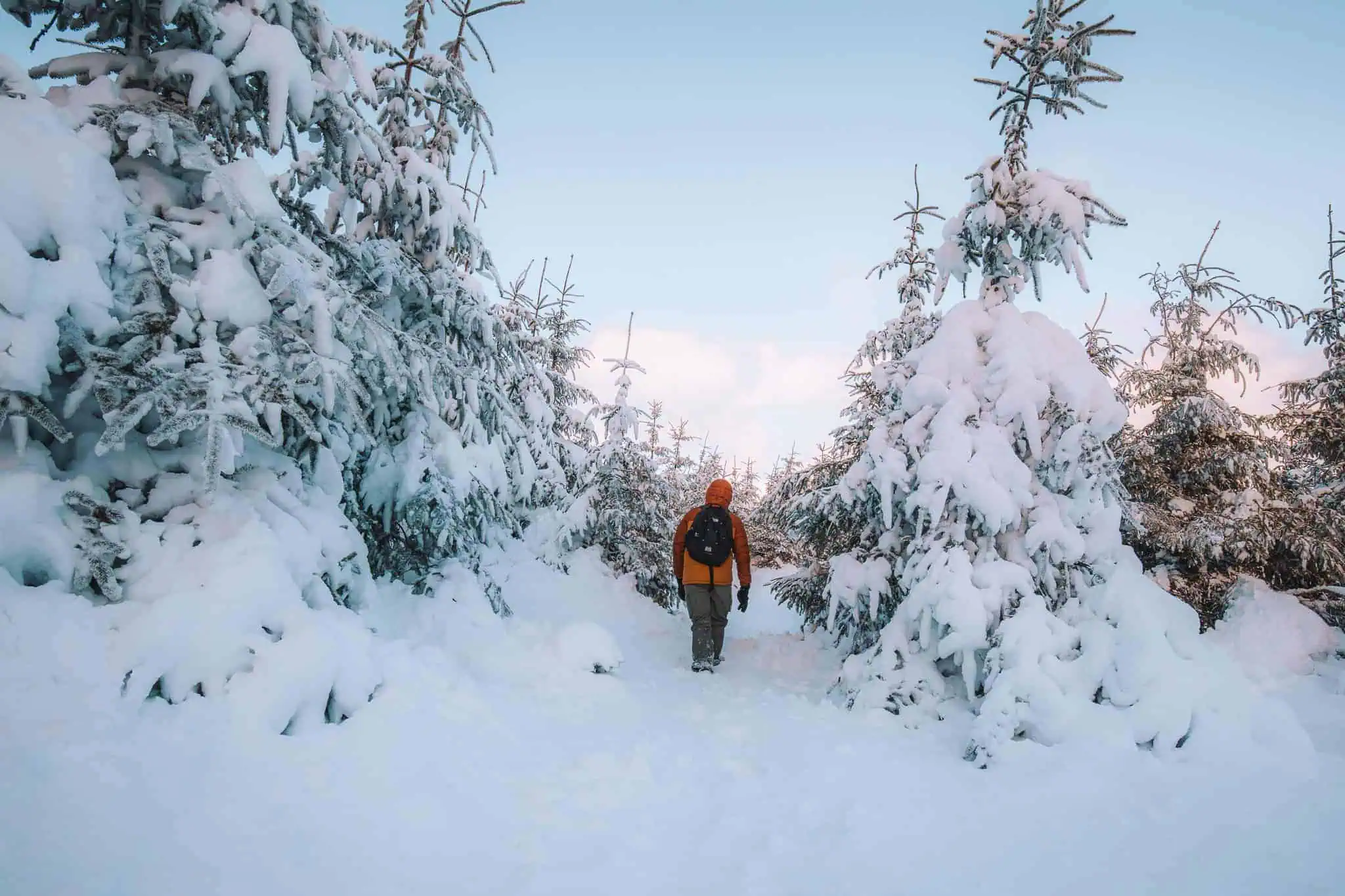
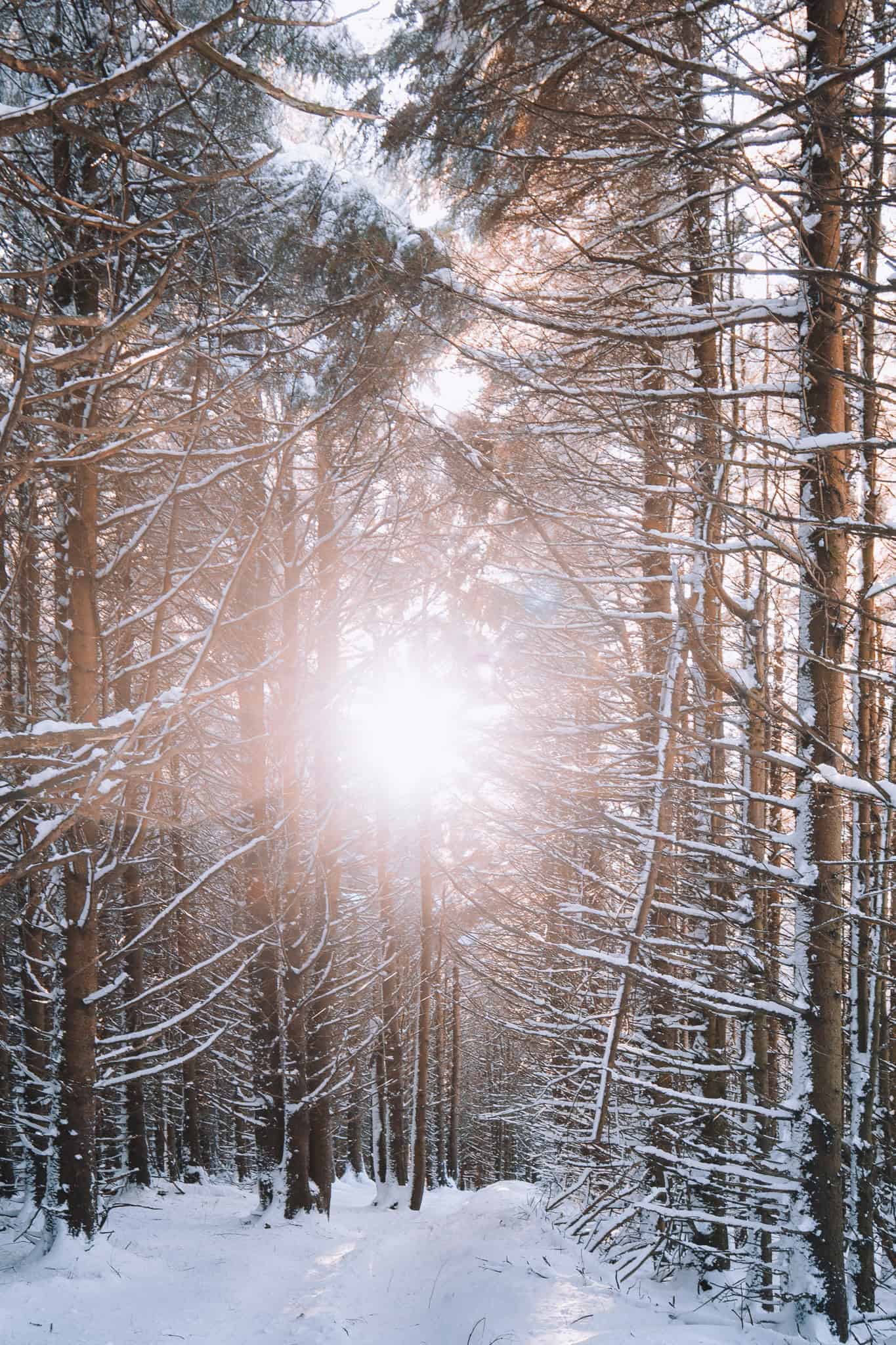
There’s something magical about walking through Ireland’s landscapes when they’ve been touched by frost or, on rare occasions, a delicate layer of snow. It doesn’t happen often, but when it does, it feels like stepping into a fairytale.
Near Dublin, the Wicklow Mountains offer accessible and beautiful winter hiking opportunities. Glendalough’s ancient monastic site takes on a mystical charm in the crisp winter air, and trails near Guinness Lake (Lough Tay) such as the Ballisnatoe forest provide stunning views.
Across the country, Ireland’s forests and national parks are equally inviting in winter. The Slieve Bloom Mountains and Tullamore Forest are perfect for soaking in the season’s stillness.
In the west, Killarney National Park or Connemara National Park are a dream for those who love scenic lakes framed by frost-covered trees and low fog.
⚠️ That said, winter hikes in Ireland demand proper preparation. Always check the weather forecast before setting out, especially if you’re heading into higher altitudes where conditions can change rapidly.
Always adhere to road closure signs and avoid driving to higher altitudes if conditions are unsafe. For example, Sally Gap is frequently impassable after snowfall, and hill roads can become dangerously icy. If you’re planning to hike in snowy conditions, prioritise safety: park in a nearby village and walk up from there.
Wearing the right gear such as waterproof boots, layers, and a windproof jacket, is essential to stay safe and enjoy the experience. Do not hesitate to turn around if the weather unsettles.
Indoor Activities
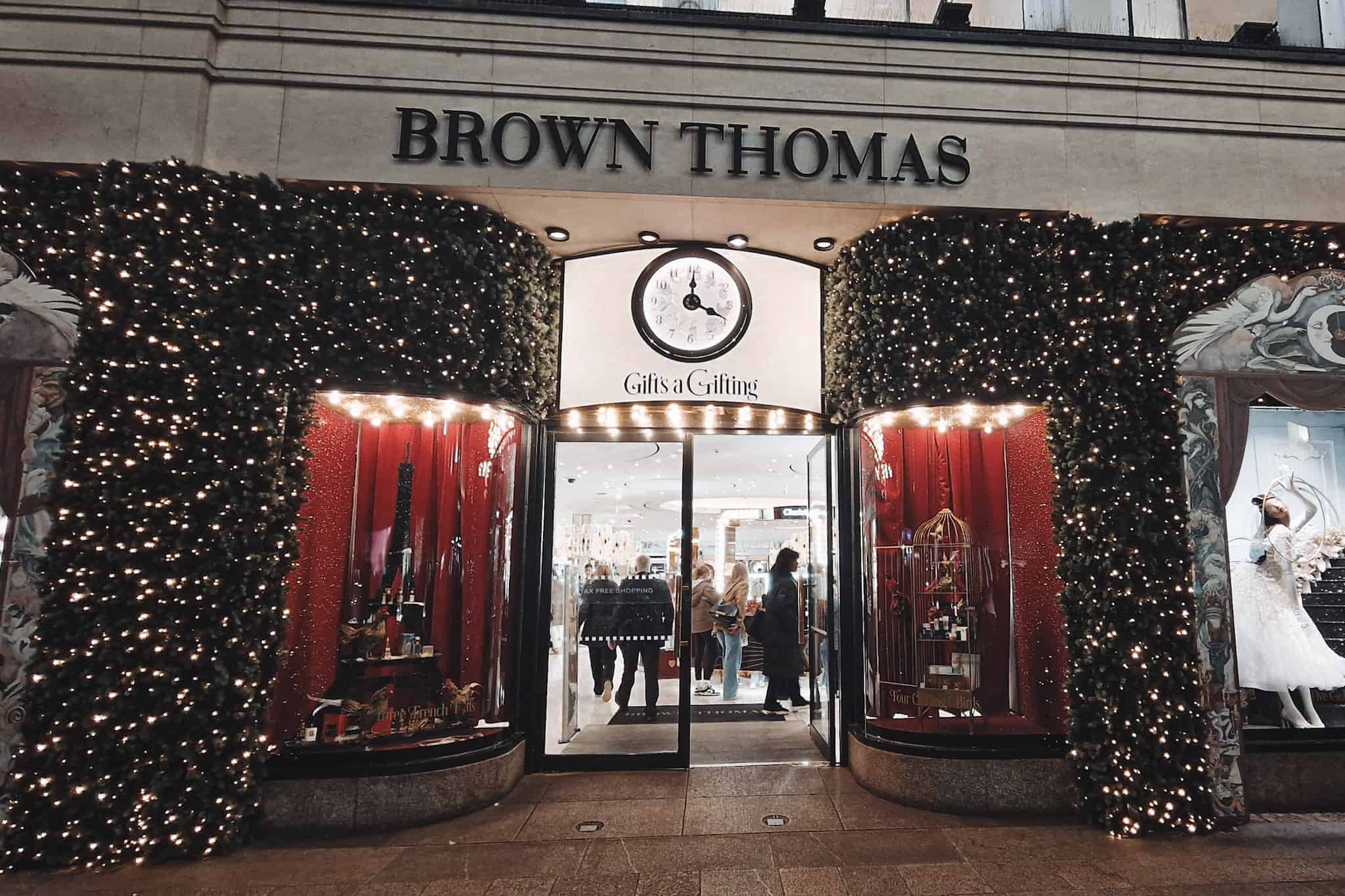
Rainy days—or the simple promise of warmth—are the perfect opportunity to learn about Ireland’s rich history or go shopping! Across the country, you’ll find countless museums, shopping centres and indoor activities to keep you entertained and inspired while staying dry.
In Dublin, the Trinity College is a must-see. Lined with ancient books (currently empty for renovation) the Long Room and the famous Book of Kells exhibition are great indoor activities. Nearby, the National Museum of Ireland offers fascinating insights into the island’s past, from prehistoric gold to Viking artefacts. A must-see!
Beyond the capital, visit Ireland’s medieval treasures like the Kilkenny Castle, the imposing Rock of Cashel, or Waterford’s Treasures Medieval Museum. You might as well experience the Titanic Museum in Belfast or escape underground to the Aillwee Caves in the Burren.
There are many indoor attractions all over Ireland. Make sure to research ahead of your trip, so you have a plan B in case your outdoor adventures are cancelled.
Spend some time in the pubs


No trip to Ireland in winter is complete without a night (or all) in a cosy pub. What makes Ireland so special is that wherever you go, you will always find a place with music and a chimney where the taste of a pint feels like a hug in a glass.
If you’re here in December, join the spirited tradition of the 12 Pubs of Christmas (although, drinking responsibly… 12 pints is really a lot… but most pubs now serve non-alcoholic beers!) or enjoy a quiet drink by the fireplace.
Pubs in Ireland are made for dull winter days, and locals know how to bring up the atmosphere with (sometimes impromptu) Trad-music sessions.
Go for a swim and a sauna


If you’re feeling bold, take a dip in the icy waters of the Irish Sea or the Atlantic Ocean. You will feel revigorated! While this is a tradition for many locals, especially on Christmas morning, it is also quickly becoming a popular activity in Ireland. Don’t be surprised if you see locals going for a dip, any time of the year, before cosying up in a sauna!
In recent years, mobile saunas have popped up along Ireland’s coastlines, perfect for warming up after a brisk swim. The Hot Pod travels between locations in Waterford, while The Sea Sauna at Tower Bay Beach in Portrane is a local favourite. Closer to Dublin, Fad Saoil saunas in Greystones, offer Finnish-style wood burners for a cosy, post-swim retreat.
If luxury is more your style, treat yourself to a stay at a lakeside hotel. The Ice House Hotel’s Chill Spa or the Wellbeing Sanctuary at Drumhierny Woodland Hideaway offer spa and sauna experiences surrounded by stunning natural landscapes.
Take a whiskey tour
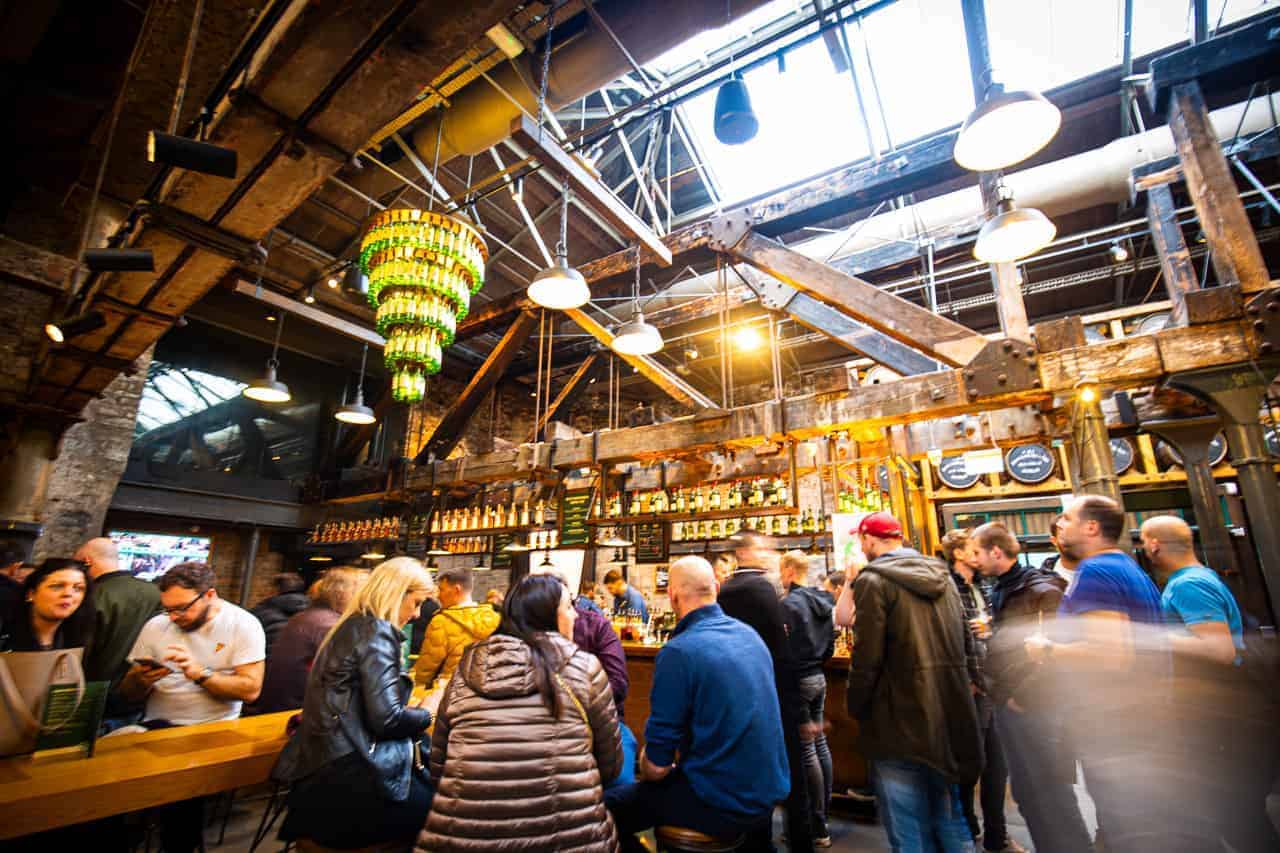
Ireland’s distilleries offer a cosy escape on a chilly winter day. In Dublin, there is a large choice of distilleries in the city centre that offer tours to learn the art of whiskey-making while savouring its smooth, iconic flavour.
If you are in Northern Ireland, visit the legendary Bushmills Distillery, the world’s oldest licensed distillery. In the south, the Jameson Experience in Midleton, County Cork, offers a fascinating behind-the-scenes look at the production process in the heart of Ireland’s whiskey heritage.
Meanwhile, on the West Coast, the Dingle Distillery stands out as a rising star, crafting small-batch artisan whiskey against the stunning backdrop of the Wild Atlantic Way.
Stay in a castle
Ireland’s castles feel particularly enchanting in winter. Stay overnight in places like Ballyseede Castle, Kilkea Castle or Dromoland Castle and experience waking up to frosty gardens with a steaming cup of tea in a centuries-old setting. Pure winter magic!
If staying in a castle isn’t for you, I can only recommend visiting at least one! The most famous are Kilkenny Castle and Blarney Castle, there are many castles worth visiting in Ireland!
Go to a Christmas Market
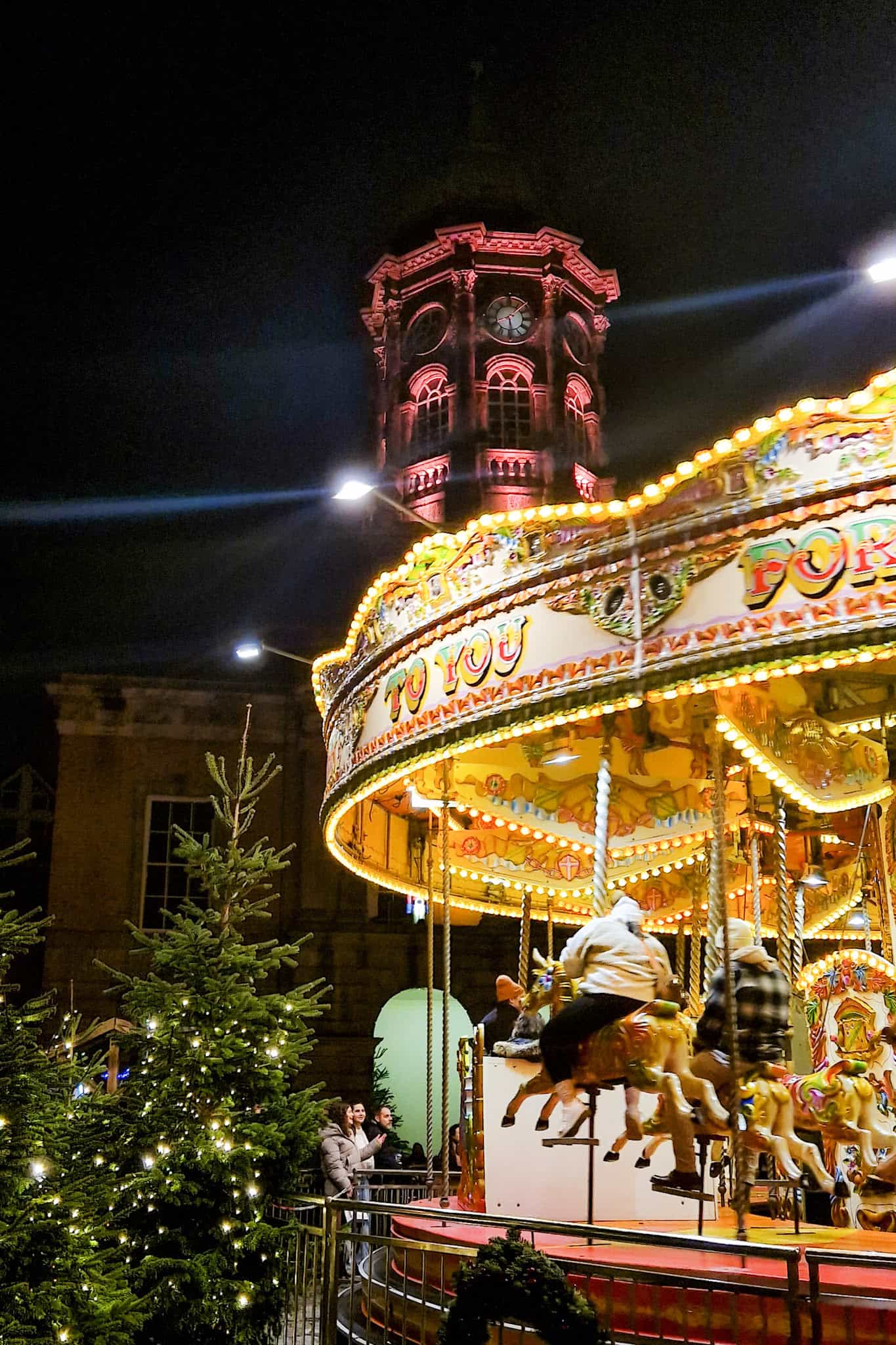

Ireland’s Christmas markets bring the festive spirit to life. Wander through the wooden stalls at Galway’s Christmas Market, sip a hot chocolate or a hot whiskey at the Dublin Castle Chrismas market, or enjoy artisan crafts at Winterval in Waterford. The lights, music, and seasonal treats make it impossible not to feel the joy of the season.
Go see a show
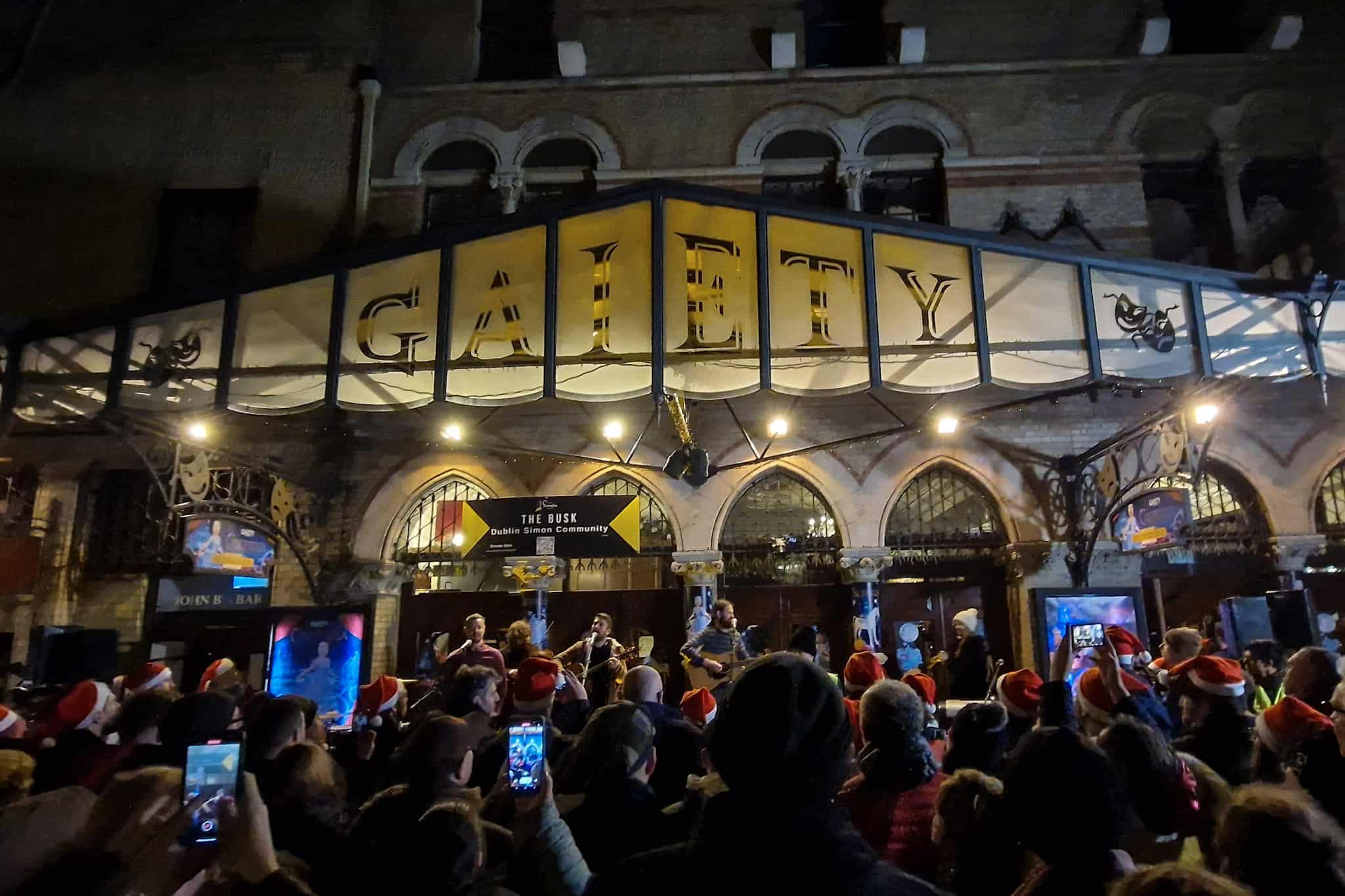
Winter in Ireland is the perfect time to enjoy the magic of live performances, as theatres and venues across the country come alive with seasonal energy. From traditional Irish music sessions or Candlelight concerts to the fun of pantos (pantomimes) and musicals, there’s something to suit every taste.
Wherever you’re staying, check out local listings for events. But don’t wait to book. Winter shows are immensely popular with local families, and tickets often sell out weeks, even months, in advance.
Winter Solstice Newgrange
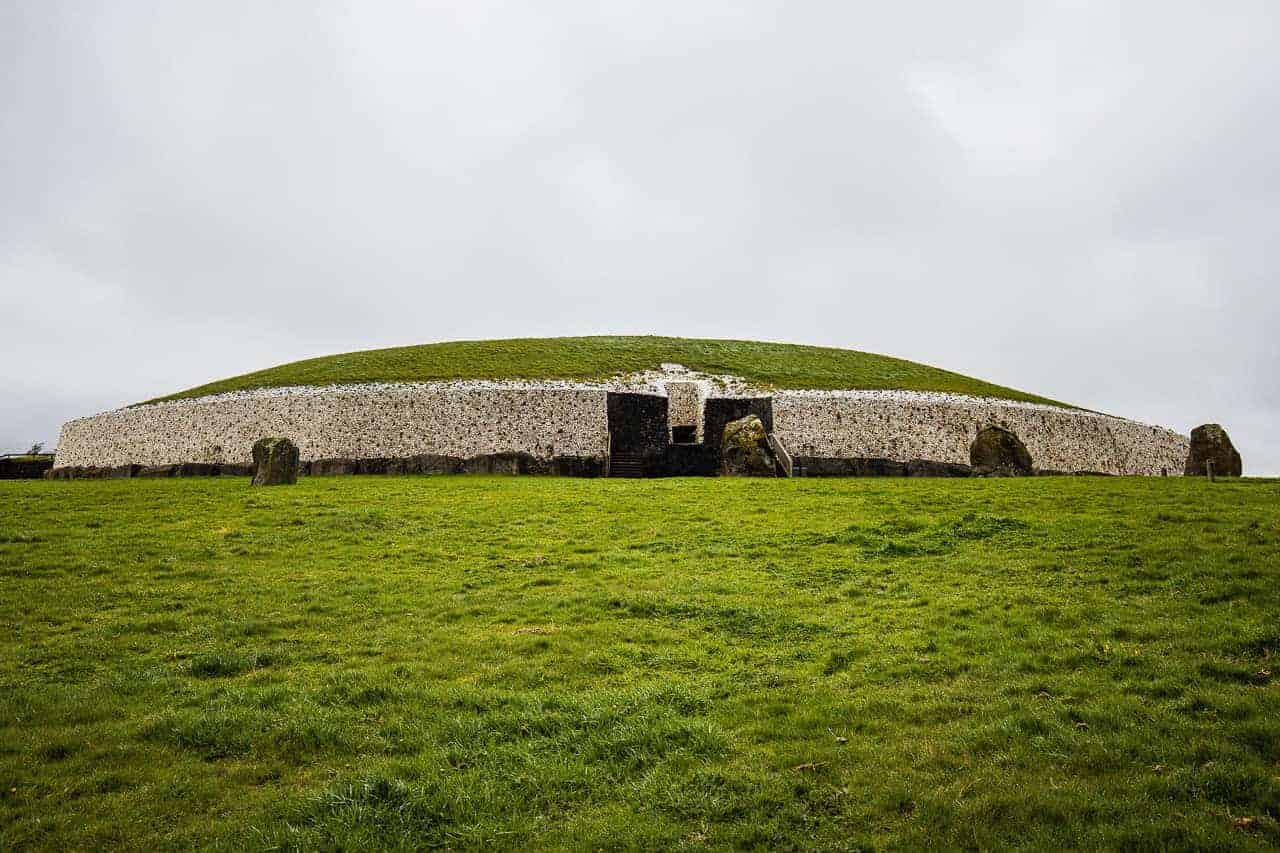
The Winter Solstice at Newgrange is one of Ireland’s most captivating events, where the dawn light on the shortest days of the year pierces through the ancient roof box to illuminate the inner chamber of this 5,000-year-old tomb. It’s a rare and magical moment that connects the present to Ireland’s ancient past,
However, witnessing this phenomenon requires luck. Only 60 people (12 each day over 8 days) out of approximately 30,000 applicants are selected via an annual lottery. This year, the draw took place on October 8th, 2024, and—sadly—I wasn’t among the winners.
Even without a ticket, visiting Newgrange during the day in the winter is still a great experience and a very popular place to visit in Ireland!
Wrap up and explore


Rain or shine, Ireland’s beauty doesn’t hibernate in winter. Walk the dramatic Cliffs of Moher, wander through charming villages like Dingle, or stroll along deserted beaches on the Wild Atlantic Way. Just dress warmly, and let the landscapes take your breath away.
Winter is also the perfect time for a road trip. There are many scenic roads to explore, so pick one and enjoy the experience.
Whether you drive around the Ring of Kerry or take a leisurely journey along Connemara’s coast, take your time and let the landscapes unfold. If the rain catches you mid-adventure, take it as an excuse to duck into a pub or café. By the time you’ve finished your drink, the skies will likely have cleared, leaving you to explore at your own pace for the rest of the day.
Look for the Northern lights in Ireland

Ireland is not a place for Northern lights unlike Iceland or the Nordic countries. However, once in a while, the Auroras are so strong they can be seen from the countryside of Ireland.
Just don’t travel to Ireland for them, you’ll be more than disappointed! In 11 years in the country, I have seen them only once, quite well, but it will never be like what you can see from Tromso, Norway or Rovaniemi, Finland!
If there is an alert for the Northern Lights in Ireland, your best chance is to travel to remote areas like Donegal. However, make sure there is no cloud coverage!
Eat your share of comfort food


Winter in Ireland is a season made for indulgence, and the country’s hearty cuisine feels like a warm embrace against the chill. At the heart of it all is Irish stew, a classic dish of tender lamb, root vegetables, and rich broth that’s best enjoyed with a slice of warm soda bread slathered in butter. It’s comfort food at its finest, especially after a frosty hike or windswept stroll.
For something simple yet irresistible, a plate of fish and chips or a Seafood chowder always hits the spot. Pair it with a pint of stout, and you’ve got the perfect winter meal.
Don’t forget to warm your hands with a hot whiskey, infused with cloves and lemon, or sip on an Irish coffee by the fire. It’s comfort in every bite—and every sip. Winter never tasted so good.
Ireland in winter offers a quieter, more authentic experience of the island. From cosy nights by the fire in a lively pub to windswept walks along dramatic cliffs, the season reveals a side of Ireland that’s as enchanting as it is unique.
So, is Ireland worth visiting in winter? The answer is a resounding yes. Now’s the time to start planning!
If you’re feeling inspired to plan your trip, check out our Ultimate Guide to Planning a Trip to Ireland for all the essential tips to make your journey seamless. For those planning to hit the road, don’t miss our guide on Everything You Need to Know Before Renting a Car in Ireland—it’s packed with advice to help you navigate Ireland’s charming (but sometimes tricky!) roads.
And for ultimate peace of mind, our Ultimate Travel Planner is here to help you organize every detail of your dream trip with ease. From itineraries to packing lists, it’s the perfect tool to make your Ireland adventure unforgettable.

ARE YOU ON PINTEREST?
What about saving this post to your Pinterest board?
Click on the photo to save this blog post for later. Follow Travel Ireland Today’s boards to see our latest pins.

I help you explore Ireland like a local with insider tips, detailed itineraries, and practical advice.
HEY THERE! I’M JEN…
Funder, Author & Photographer behind travelirelandtoday.com
Ireland has been my home for the last 12 years. Before settling here, I spent years backpacking around the globe, visiting 65+ countries. Along the way, I discovered my love for hiking, photography, and crafting budget-friendly itineraries.
Through this website, I share the best things to do and see in Ireland, detailed hiking guides, and practical tips to help you plan your perfect Irish adventure. Let’s make your trip unforgettable!



I visited Ireland for the first time in December. It was magical. I spent 7 nights in Dublin. It snowed twice. You will really get in the Christmas spirit and enjoy visiting all the museums. Loved it. Go!
Great ideas. I have not considered Ireland in the winter, but more and more my hubs and I are enjoying Europe as a winter destination. We visited Ireland in August, and actually it was cold and rainy…so really why not winter? 🙂 I’m saving this and will make it happen hopefully next year.