
Complete Guide to Planning a Trip to Ireland
This website uses affiliate links which may earn a small commission at no extra cost to you. Thank you for your support.
Planning a trip to Ireland? Exciting, but also a bit overwhelming, right? Trust me, I’ve been there. Flights, accommodations, what to see, what to skip… it’s a lot! But don’t worry, I’ve got you covered.
I remember my first trip to Ireland, staring at endless lists of must-see attractions, trying to figure out where to stay, how to get around, and how to make the most of my time without missing something incredible. Sound familiar?
That’s exactly why I put this guide together. Now I’ve lived in the country for more than 10 years, I’ve learned through trial and error what works, what’s worth it, and what you can skip. From the best times to visit to the most scenic drives and the breathtaking spots the guidebooks don’t always mention, I’ll share everything I can to help you prepare for your trip.
So, grab a notebook, and let’s start planning your dream trip to Ireland!

How to get to Ireland
By plane
Because Ireland is an island, the most common way to get there from abroad is to fly. There are 9 international airports on the Island of Ireland, 6 in the Republic and 3 in Northern Ireland.
The major airports are Dublin Airport, which is the largest and busiest one in the country, Cork, which is the second busiest airport, and Belfast in Northern Ireland.
For those planning to visit primarily the west of Ireland, Shannon and Knock (Ireland West) airports are also 2 great options. While they are a lot smaller than Dublin’s and Cork’s, they still serve flights from the UK and have a few arrivals from the US and Southern Europe every week.
You can also fly to Donegal airport, Derry, or Kerry airports. They are mostly used for domestic flights, the UK, or several European destinations.
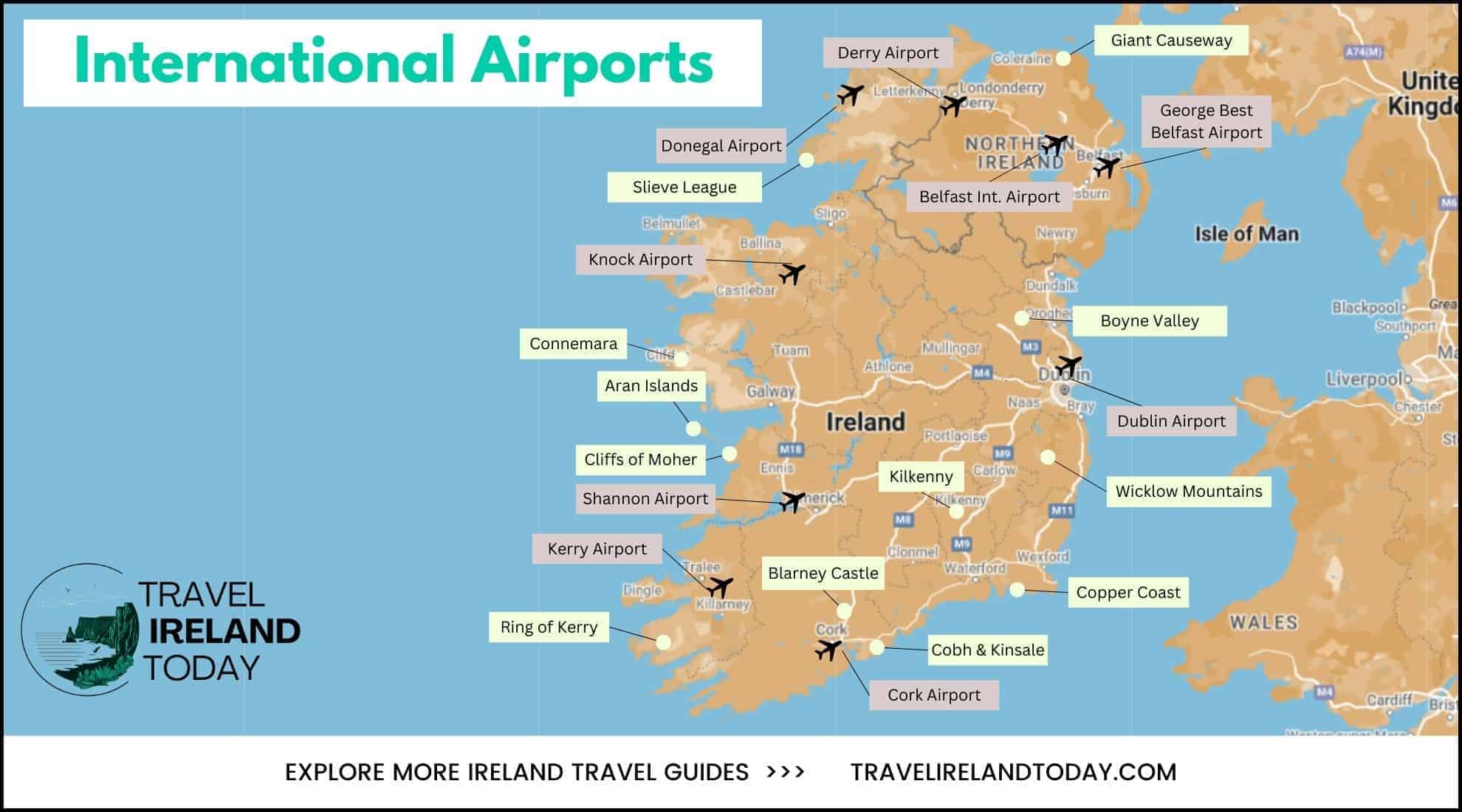
To find out how to get to Ireland from your home, we would recommend checking out first the main Irish airlines Ryanair and Aer Lingus.
In fact, home of the budget airline Ryanair, Ireland is particularly well connected to 30 countries in Europe and no less than 140 cities! Meanwhile, the other Irish airline Aer Lingus which also operates widely across Europe (with higher cost but more comfort and higher standards), provides transatlantic connections to cities like Boston, New York, and Chicago, etc. making Ireland a convenient destination for those travelling from the United States.
You can also use a flight comparator like the one below.
By ferry
If you plan on driving around Ireland with your own car, a more suitable option for getting to Ireland is by ferry. Ireland has several major ports (Rosslare, Dublin, Cork) serving the UK, France, and Spain on a weekly (and daily) basis. The main companies are Irish Ferries, Stena Line, and Brittany Ferries.
By bus
There are international buses linking Ireland to the UK (Birmingham, London) but unless you are scared of flying or are looking to reduce your CO2 emission, we wouldn’t recommend this type of transport.
It is very long (around 14 hours overnight) as you will still need to take the ferry to the UK. Check out the company Expressway Eurolines for more details.

Arriving in Ireland
Arriving in Ireland can be an overwhelming experience with a mix of exhaustion and jet lag, mostly if you fly in from outside Europe. To make your arrival smoother, it’s important to plan ahead and have a clear idea of what you’ll do after landing at the airport.
Arriving in Dublin
If your hotel is in the city centre of Dublin, the cheapest way is to take an airport shuttle.
Dublin Express
The Dublin Express Airport shuttle (dark blue buses) operates bus services to the city centre, stopping along the Liffey River to and from Heuston Station for €8 one way – €12 return. The journey time is approximately 25-40 minutes and you can buy your ticket directly on the bus. You can also book a trip online.
Aircoach
Aircoach (clear blue bus) also serves the city centre but continues south towards Lesson St, Sandyford, Greystones, and Killiney. They also have a few routes to Cork and Galway directly from/to the Dublin airport.
Go-Ahead
Go-ahead buses serve the northern part of Dublin towards Sutton Dart Station or Balbriggan and Skerries.
Other ways of transport from Dublin Airport
There are no trains or trams from the airport. Alternatively, you can catch a taxi right outside the Arrival terminal. The fare meter is around €25-€35 to the city centre.
You can also pick up a rental car directly at the Dublin airport. For this, make sure to book in advance and follow our advice as per this dedicated article about Renting a car in Ireland.
Uber is also an option however, in Ireland, it is operated by local taxis. Still, it can be useful if you need an invoice and pay by card as not all the taxis from the airport accept card payment. Other apps you can use to order a taxi are FreeNow, Lynk or Bolt.
Finally, if you prefer a private transfer, I recommend GetTransfer because they offer very competitive prices and you can also book them per hour to drive you around if you need!
Arriving in Cork
Bus Éireann Express service is available from Cork Airport to Cork city centre. The journey takes approximately 25 minutes.
You can take a Citylink bus to Galway or Limerick, as well as a Bus Eireann to Dublin.
You can take a taxi or an Uber from Cork Airport from outside the arrival terminal, it takes about 20 minutes and costs around €20 – €25.

Visa requirements
Visa requirements for travelling to Ireland depend on your nationality and the purpose of your trip
- EU/EEA and Swiss Citizens: No visa is required to visit Ireland.
- U.S., Canadian, and Australian Citizens: No visa is needed for stays of less than 90 days for tourism, business, or transit purposes. Ensure your passport is valid for the duration of your stay.
- Other Nationalities: Visa requirements vary; check with the Irish Immigration Service for specific guidelines.
If you plan to stay longer than 90 days or if your visit involves studying or working in Ireland, you’ll need to apply for the appropriate visa before travelling.
Northern Ireland (Part of the UK): If your trip includes Northern Ireland, note that it follows UK entry requirements. Starting January 8, 2025, many nationalities, including U.S. and EU citizens, will require an Electronic Travel Authorization (ETA) to enter the UK. While there are no hard borders where visas may be checked, it is still a legal requirement and must be met even for short trips. Be sure to check the UK Government’s ETA page for more details.
Stay Updated: Visa regulations can change, so it’s always best to check the latest guidelines before your trip. For Ireland-specific requirements, refer to the Irish Immigration Service. If travelling to Northern Ireland, consult the UK Government.
This information is a general guide; please verify details through official sources to ensure compliance with current requirements.

Best Seasons to Visit Ireland
Choosing the best time to visit Ireland can feel a bit like rolling the dice. The weather here is famously unpredictable! While the summer months of June through August are often recommended for their longer days and (generally) warmer weather, each year tells a different story.
For instance, 2023 treated us to a glorious June but followed up with a rainy July and August. In contrast, 2022 saw an incredible July and August, but a colder-than-usual spring. And who could forget 2020, when March and April brought an unexpected streak of sunny, dry weather (which we, unfortunately, admired from indoors during COVID), only for summer to turn out grey and dreary?
Ultimately, the best time to visit Ireland depends on your plans. Do you want to hike scenic trails? Explore festivals? Or maybe experience the quiet charm of the off-season? Each season has its unique charm—and quirks. To help you decide, I’ve put together some detailed guides. Explore these articles to get a better idea of what to expect and plan your perfect trip to Ireland!
- Does It Rain in Ireland All the Time?
- Is Ireland Worth Visiting in Winter?
- When is the best time of the year to visit Ireland – Season-by-Season Guide
Spring
Spring (March to May) is a great time to visit Ireland, with mild temperatures and green landscapes. This is a perfect time for outdoor activities like hiking, fishing, and golfing.
With the arrival of spring, the countryside is dotted with colourful wildflowers, making it a great time for photography and exploring.
Summer
Summer (June to August) is the peak tourist season in Ireland, and the weather is generally warm and sunny, with average temperatures in the 60s-70s°F (15-25°C).
This is the perfect time to visit the beaches, do water activities, and go on scenic drives. Summer is also the best time for festivals and cultural events.

Autumn
Autumn (September to November) is a quieter time in Ireland, with mild weather and fewer crowds. This is an excellent time for exploring the countryside and seeing the autumn colours.
It is also a good time for hiking and fishing, as the water is warm and the fish are most active.

Winter
Winter (December to February) can be cold and damp, with temperatures ranging from the 30s to 50s°F (0-10°C). However, this is the best time if you want a more peaceful and quieter visit.
Winter is also a great season for indoor activities like visiting museums, theatres, and historical sites and relaxing by the fire in a cosy pub.

Where to go in Ireland
While most of the popular destinations are found along the Wild Atlantic Way scenic drive on the west of the country, the midlands, south, and east of the country tend to be less known by tourists despite the breathtaking landscapes and rich history found in these areas. Here’s a breakdown of each of the main touristy regions in Ireland:
Dublin and the East of Ireland
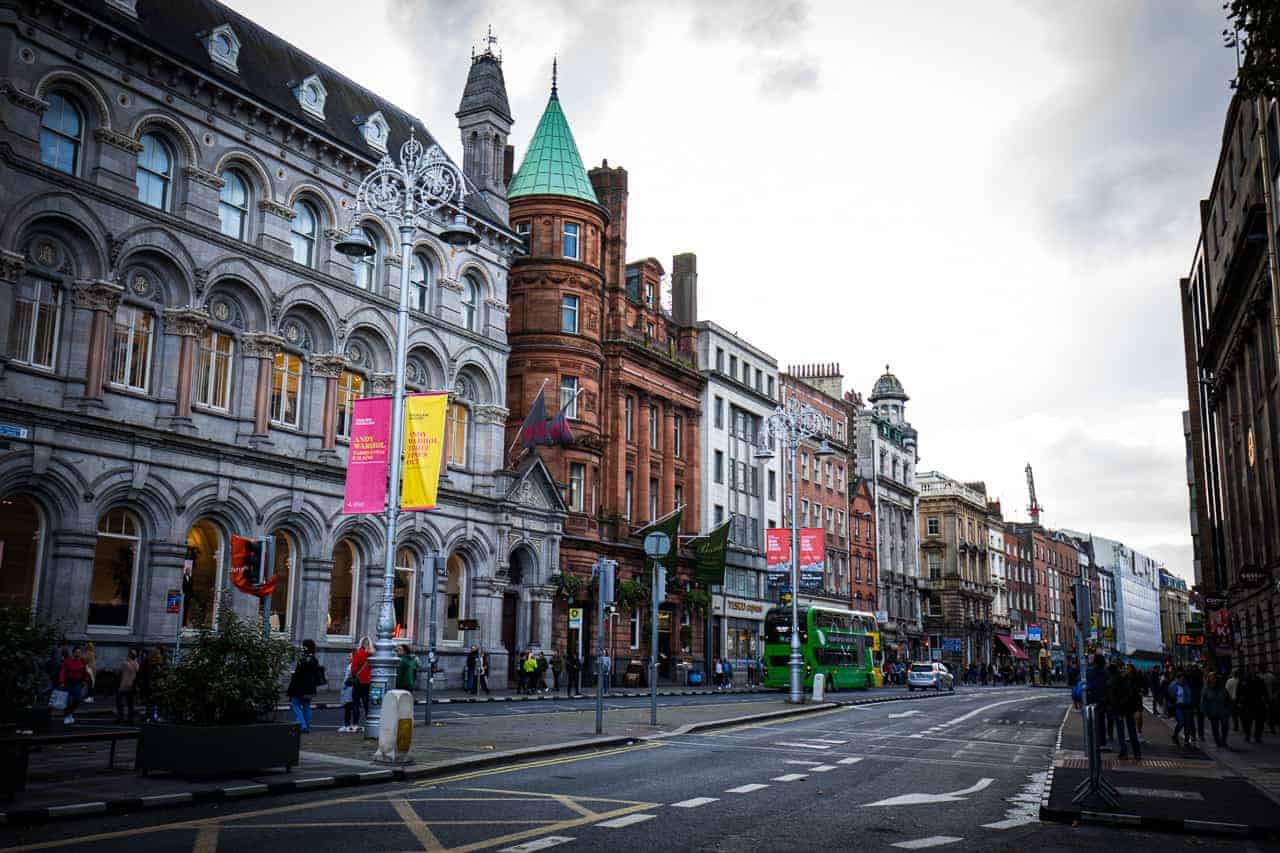
Dublin, located in the east of Ireland, is 30 min from Dublin airport and easily reached by public transport. It is the largest and most vibrant city in the country, renowned for its charming old streets, rich cultural heritage, and busy nightlife. It is a popular destination, serving as a base to explore Ireland.
Some of the must-visit attractions in Dublin include Trinity College, the Guinness Storehouse, and Dublin Castle. The city also has a thriving arts and music scene, with numerous museums and galleries to visit.
Beyond Dublin, the east of Ireland is home to stunning less-known places such as the Wicklow Mountains or the Glendalough Valley, which offer incredible hiking opportunities and outdoor adventures.
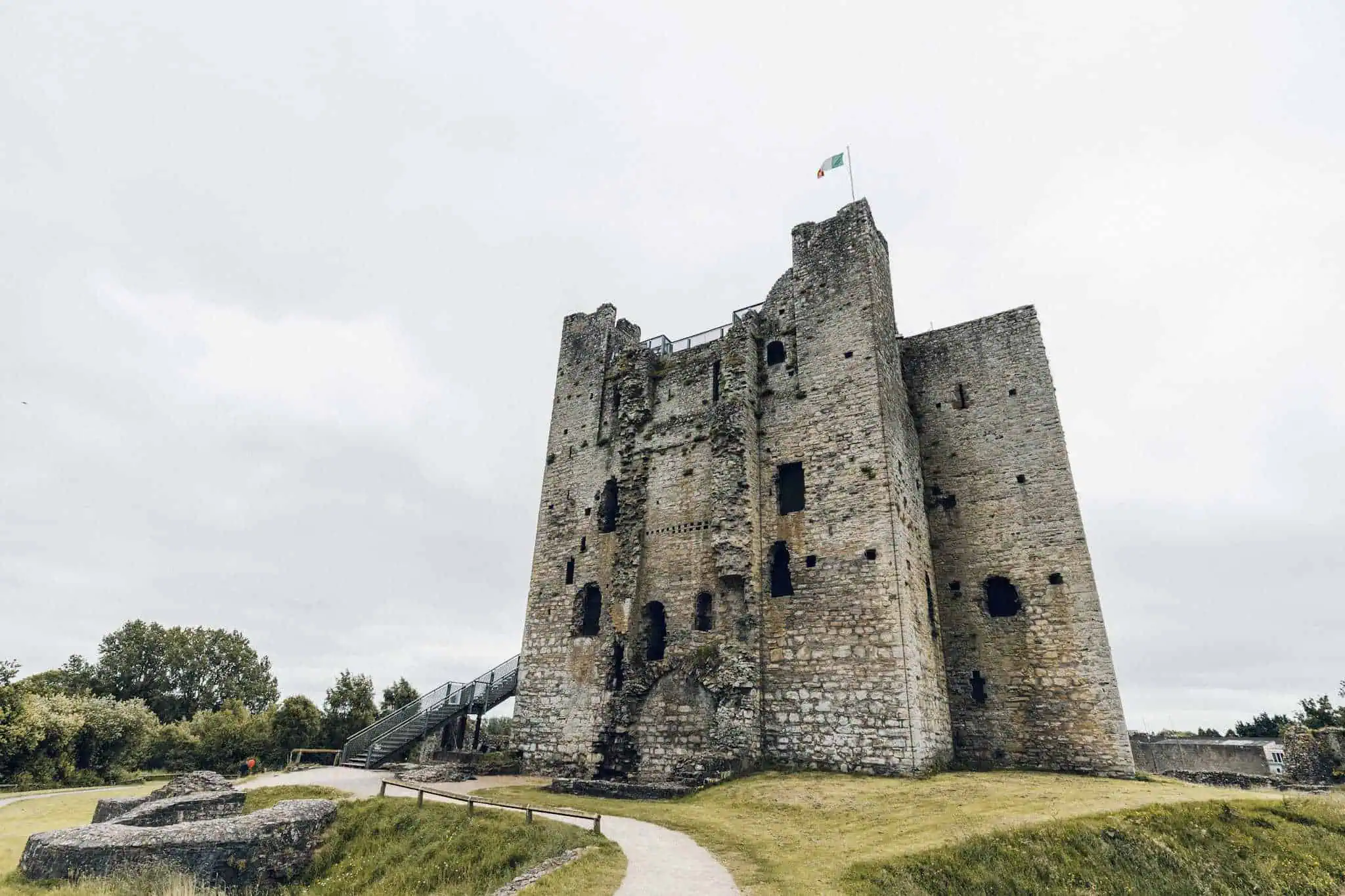
On the North side of Dublin, the Boyne Valley is home to some of the country’s most important historical and cultural sites, including the ancient tombs of Newgrange, Knowth, and Dowth, which date back over 5,000 years. The area is also home to the Hill of Tara, the ancient seat of the High Kings of Ireland, and the historic town of Trim, with its castle ruins and well-preserved medieval architecture.
Cork & the Ring of Kerry
Cork, located in the southwest of Ireland, is the second largest city in the country and serves as a hub for the surrounding region of Kerry. The region is renowned for its stunning landscapes, charming villages, delicious seafood, and outdoor activities.
One of the must-visit destinations near Cork is the Ring of Kerry, a scenic drive that takes visitors around the Iveragh Peninsula and through some of the most picturesque landscapes in Ireland. It is a great place to explore charming Irish villages like Caherdaniel or Kenmare, sample the local cuisine, find secluded beaches, and visit historic sites like the Muckross House or the Killarney National Park.
In addition to its natural beauty, Kerry is also rich in History. The UNESCO World Heritage Site of Skellig Michael in particular. Apart from being one of the most beautiful islands in the country, it was once home to a monastic settlement and was famously featured in several Star Wars movies!
Finally, another highlight of the Kerry region is the Dingle Peninsula. This area is a popular destination for outdoor enthusiasts, who can hike along the scenic coastline, enjoy water activities like surfing, go dolphin watching, or simply relax and enjoy the stunning views.


Donegal & Sligo
Donegal and Sligo regions are located in the northwest of Ireland and offer a more laid-back atmosphere. The region is home to some of the most stunning beaches in Ireland which are ideal for surfing, relaxing, and camping. Bundoran is one of the best places to settle to visit Donegal and Sligo counties.
Both regions are also a haven for outdoor enthusiasts, with hiking and cycling trails that lead through rolling hills, pristine forests, and the rugged coastline. The Sligo Way, a 150 km long-distance trail, is particularly popular with locals while Benbulbin and Errigal mountains will delight those looking for more challenging hikes and mountainous landscapes.

Mayo Region
Mayo is located in the west of Ireland known for its scenic countryside, beautiful remote islands, gorgeous beaches, and rugged coastline.
The town of Westport is a popular destination in Mayo renowned for its small commercial streets, lively pubs, and beautiful Georgian architecture. This town is surrounded by stunning countryside and offers a perfect base for exploring Achill Island, Clew Bay, or the nearby Croagh Patrick mountain, a pilgrimage site, and popular hiking destination among locals.
The fishing village of Louisburgh is another must-see destination in Mayo, with its serene setting and views of the Atlantic Ocean while the nearby Doo Lough Valley is a hidden gem showcasing rolling hills and serene lakes.
Galway & Clare regions
County Clare is a region in the west of Ireland, known for the Cliffs of Moher, a stunning natural formation that towers over 700 feet above the Atlantic Ocean. The cliffs provide a panoramic view of the surrounding countryside and the most visited places in Ireland.
Off the coast of the vibrant city of Galway, you will find the Aran Islands which are famous for their pre-Christian ruins and traditional Irish language and culture. Inishmore is the most popular destination and a great place to go cycling or just relax for a few days.
Inland, the Burren is a unique karst landscape dotted with ancient tombs, standing stones, and other monuments that date back thousands of years. The area is known for its challenging outdoor bouldering routes.
A few kilometres West of Galway, you will find the secluded region of Connemara which boosts white sand beaches, great hiking trails, and some of the most beautiful camping spots in Ireland.


How long do you need to visit Ireland?
The amount of time needed to visit Ireland depends on several factors including personal interests, travel style, and the regions you want to visit.
If you want to experience the highlights of Ireland, including Dublin, the Cliffs of Moher, and the Ring of Kerry, a 7-day trip is a good starting point. If you only have a weekend, stick to Dublin and visit the main attractions.
If you have 10-14 days, you can explore Ireland in more depth and visit the lesser-known areas such as the Aran Islands and Connemara. This itinerary would allow you to take a leisurely drive along the Wild Atlantic Way, one of the world’s most scenic coastal routes.
For those who have more time, a 21-day itinerary allows you to see all of Ireland’s regions. With this amount of time, you can take your time and experience the local culture, food, and history of Ireland.
It is important to keep in mind that Ireland is a small country with a well-developed road network, making it easy to travel and explore.
Suggested itineraries for your trip to Ireland
2-3 DAYS IN IRELAND | DUBLIN
If you are a first-timer in Ireland and have a limited amount of time, we would recommend sticking to visiting Dublin. Here is a suggested Itinerary:
On Day 1, start with a visit to Trinity College to see the Book of Kells and the Long Room Library. Then, take a walk in St. Stephen’s Green Park before strolling down Grafton Street, one of Dublin’s most famous shopping streets. Head towards Dublin Castle and finish the day by grabbing a bite and a pint.
Psst! I would suggest avoiding Temple bar for drinks… It is overpriced and the pint isn’t even good… Walk around the area but don’t stick for the evening. Alternatively, head towards Georges St or Camden St. You will find plenty of bars reasonably priced with great atmosphere (eg. Against the Grain, Long Hall, Opium, Drury Building, Bleeding Horse, etc.)
October 2023 Update: The books within The Long Room have been removed from the shelves and the Library itself will be closed for renovations from the end of 2025. For more information visit the Old Library Redevelopment project website.
On Day 2, take a self-guided tour of the Guinness Storehouse to learn about the brewing process and enjoy a pint of Ireland’s most famous beer from the Gravity Bar. Then, stop by Kilmainham Gaol, a former prison that played a significant role in Ireland’s history. If you have more time, you can walk around Phoenix Park to see fallow deer or visit the National Museum of Ireland.
For those who have an extra day, we would recommend taking a day trip to the nearby coastal town of Howth to see the stunning views of Dublin Bay and enjoy some seafood. Check out our article about the best things to do in Howth and how to get there.
Dublin Go City All-Inclusive Pass
- More than 40 attractions included
- Available for 1-5 days
- Significant savings on multiple attractions
With the Dublin Go City All-Inclusive Pass, you gain access to a wide range of attractions, museums, tours, and experiences in Dublin, all for one upfront price. This pass is a smart choice for tourists who want to make the most of their visit by exploring multiple attractions on our list.
Here’s how it works: Simply choose the duration of your pass, from 1 to 5 days, print or download the pass on your phone, and show it at the entry of each attraction. Note some attractions will need a booking ahead.
3 DAYS IN IRELAND | DAY TOURS FROM DUBLIN
If you have seen Dublin before, we would recommend taking a few day tours to visit the countryside and main sites such as the Cliffs of Moher, Giant Causeway, and the Rock of Cashel.
There are plenty of guided day tours from Dublin to these places which is the best way since you won’t have to drive yourself across the country and will still get to enjoy the nightlife in Dublin.
5 DAYS IN IRELAND | WEST COAST & ARAN ISLANDS
On day 1, explore Dublin city centre, and visit the famous Trinity College and Guinness Stores house. On day 2, head to Galway to start your exploration of the Cliffs of Moher and the Burren.
Stop in Doolin for the night and before heading back to Dublin (or Cork), take a return ferry to the Aran Islands, rent a bike, and go explore the island. Here is a guide to visiting the Aran Islands.

7 DAYS IN IRELAND | DISCOVER THE RING OF KERRY
Spend the first few days exploring the west coast and Aran Islands as above. Then, drive the Ring of Kerry, one of the most beautiful scenic drives in Ireland offering stunning views of the Iveragh Peninsula. If you have more time, check out the Killarney National Park (Gap of Dunloe, Ross Castle, Torc waterfall, etc.).
10 DAYS IN IRELAND | THE IRISH TOWNS
Visit Dublin, the Cliffs of Moher, and the Ring of Kerry as per the above itineraries. Then, spend a few days exploring the historic city of Cork and the charming towns of Kinsale and Cobh. Take a day trip to the Skellig Islands. You can also visit Baltimore and go whale watching if the season permits it.
2+ WEEKS IN IRELAND | DISCOVER THE ENTIRE COUNTRY
Within 2 weeks, you have the time to visit all the major destinations in Ireland and explore the lesser-known areas too. Start your road trip in Northern Ireland, visiting Belfast and the Giants Causeway, then follow the Atlantic Ways from Donegal to Cork which will take you to the main places listed in previous itineraries.
How to get around Ireland
Rent a Car
Self-driving is a popular option for those who want more flexibility and independence when exploring Ireland. Renting a car will give you the freedom to explore the country at your own pace, and take in all the sights that interest you.
If you are considering this, I put together an article with everything you need to know before Renting a car in Ireland.
The road network in Ireland is well-maintained and easy to navigate, making it a convenient option for self-guided road trips. Although, be aware some roads in the countryside are very narrow and can be dangerous.
Although, make sure to book your car ahead of your trip to Ireland as prices can increase drastically the closer you get to your travelling dates. We recommend using the comparator Discover Cars to find the best deals in Ireland.
The best part about Discover Cars is that you get full coverage for less than €7 a day! You can also compare all the companies in the market, choose the type of car you want and see all the most recent customer reviews before making a booking. On the website, you can easily narrow your search price to find the best deal within your budget.

BEST IRELAND CAR RENTAL COMPANY DISCOVER CARS
When booking a rental car in Ireland online, I use Discover Cars because they offer Full coverage for less than €7. It is the best rental car comparator out there!
Public Transports
Many travellers in Ireland choose to explore the country by renting a car allowing for more flexibility, however, for those seeking to hop between cities, you can rely on frequent buses and trains connecting most major cities.
While it is possible to visit the countryside and most remote touristy destinations via public transport, once you leave the cities, bus routes are less common, so prepare for a long wait. It is not ideal if you have a few days or a couple of weeks.
Cities like Dublin or Cork have a comprehensive bus network, and the capital even has 2 tram lines called Luas.
There are a few Intercity trains connecting Dublin with other major cities like Cork, Limerick, Sligo and Galway as well as regional lines serving the coastal towns of Howth, Malahide, Bray, Dun Laoghaire, and Greystones.
Taxis and rideshare services like Uber are also widely available, especially in cities.
Joining a tour
If you’d rather not drive, joining a tour can be a stress-free way to see Ireland’s top attractions. Whether you’re staying in a major city or planning a longer adventure, there are options to suit different travel styles.
Day Tours from Dublin, Galway & Other Cities
For travellers based in Dublin, Galway, or Cork, day tours offer a convenient way to visit Ireland’s popular destinations without the hassle of car hire. These trips typically include transport, a guide, and entrance fees, making them ideal for short visits. Popular routes include:
- From Dublin: Cliffs of Moher, Blarney Castle, Kilkenny & Wicklow, or the Giant’s Causeway
- From Galway: Cliffs of Moher & Aran Island Cruise or Connemara
- From Belfast: Giant’s Causeway and Game of Thrones locations
Many companies, such as Paddywagon Tours, Wild Rover Tours, and Irish Day Tours, operate these excursions with comfortable coaches and knowledgeable guides.
Multi-Day Tours for a Full Irish Experience
For larger groups or travellers who prefer a fully guided experience, multi-day tours by bus or with a dedicated driver can be an option. These packages often include accommodation, meals, and curated sightseeing. While significantly more expensive than renting a car, they take the planning off your hands. Highly recommended companies for multi-day tours by bus include:
- CIE Tours – Luxury coach tours with in-depth itineraries.
- Rabbie’s Tours – Small-group tours with flexible schedules.
- My Ireland Tour – High-end private group tours.
These tours cater to those who want a structured and guided journey around the country without the need to navigate Irish roads.
How much does it cost to travel around Ireland?
On average, daily expenses for a budget trip in Ireland could range from €50 to €100 (or around $60 to $120), including accommodation, food, transportation, and activities.
However, prices quickly escalate if you are staying in hotels, especially in the main cities. Ireland accommodation is particularly expensive and fills out quickly, so booking way in advance is the best way to find an affordable room. The costs for a night in a hotel depend also on the season and whether you are booking during a local holiday or on the weekend.
Ireland’s cost of living has drastically increased in the past few years and accommodation will be one of your main areas of spending.
Regarding food, eating out would typically cost around €50 for two with a couple of drinks, but you can find cheaper street-food-like restaurants in cities. Our recommendation when travelling in Ireland is to avoid hotel restaurants and find a local pub that serves food instead. They usually serve hearty typical Irish food like Fish & chips, Burgers, Chicken Pies, or Seafood Chowder for an affordable price (€14-€18 per meal).
In terms of leisure, a lot of activities and places to visit are free in Ireland, but you may have to account for the parking fees (ex. Cliffs of Moher).
Here are a few examples of costs currently seen in Ireland:
| Accommodation | Transport |
| Campsites: €10-€15 a night for tents Hostel: €25-€30 a night Hotel: from €150 in main cities B&B: €75-€150 Unusual places: €200+ | Tram (Luas): €2.10-€3.30 Bus: €1.70 – €2.60 Long distance bus: +/- €20-€30 Train: €10-€40 |
| Food | Leasure |
| Fish & chips: €11 Beer (Guinness): €5.5-6 Street food: €12-€15 Restaurant: €20-€45 | Guinness Factory: €26-€38 Skellig Michael : €45-€125 Newgrange: €10 Rock of Cashel: €8 |

Where to stay in Ireland
You will find Hotel accommodation or campgrounds all over the island, but depending on where you are going you may not have much choice! So be prepared to book in advance and spend quite some time to organize your stay. Here are our latest articles about accommodations in Ireland. For more, click here.


As a matter of fact, it is getting more and more complicated to just wing it and turn up on the day like I used to do a few years ago… Nowadays I usually book at least 2 weeks in advance if not more when I need to book a weekend away.
If you are travelling during the peak season (summer), any school holidays, or over a bank holiday, be prepared to find limited availability, minimum duration stay, and high prices. So book in advance!!!
Using websites like Booking.com can really simplify the process. They also often have discounts (genius program) and provide free cancellations up to 24 in advance. Use the below tool to find the best deals for your next trip to Ireland:
Booking.com
Book your activities in advance
Planning ahead can make all the difference when exploring Ireland. Many of the country’s top attractions have limited availability, and some—like Skellig Michael or the Aran Islands ferries—sell out well in advance. If there’s an activity you don’t want to miss, book it as early as possible!
Why Book in Advance?
✔️ Guaranteed entry – No risk of sold-out tickets.
✔️ Skip the queues – Some sites offer fast-track entry for pre-booked tickets.
✔️ Better itinerary planning – No last-minute stress figuring out availability.
For high-demand activities like Kilmainham Gaol, Newgrange, or Skellig Michael, booking early isn’t just recommended… it’s essential. A little planning now means a smooth and stress-free trip later!
Activities & Tours Worth Booking in Advance
To help you plan, here are some experiences that tend to fill up quickly:
- Day trip to the Cliff of Moher from Dublin – One of Ireland’s most famous sights, and day tours sell out fast, especially in summer.
- Day trip to the Giant Causeway from Dublin– A must for those interested in stunning coastal landscapes and Game of Thrones filming locations.
- Entry to the Book of Kells– Housed in Trinity College Dublin, this historic manuscript is one of Ireland’s most visited attractions. Timed-entry tickets go fast.
- Entry to the Guinness Storehouse– Secure your spot at this iconic Dublin attraction and skip the long queues.
- Boat to the Aran Islands– Ferries have limited spaces, especially in peak season. If you’re planning a visit, book ahead to avoid disappointment.


Booking Restaurants in Ireland: Don’t Miss Out!
Ireland’s food scene is thriving, and if there’s a restaurant you’re excited to try, don’t leave it to chance… book in advance! Popular spots, especially in cities like Dublin, Galway, and Killarney, can fill up fast, particularly on weekends.
How to Check If You Need a Reservation
Before your trip, do a quick check to see if your restaurants require bookings:
✅ Visit their website – Most places list their reservation policy online.
✅ Check Google Maps reviews – Search for terms like reservation or walk-ins to see what past diners say.
✅ Look at OpenTable – Many Irish restaurants use this platform for online bookings. If you know exactly the restaurant and the day you want to go, book a table to just be sure.
When to Book
For popular restaurants, aim to reserve at least 2 to 3 weeks in advance, longer for Michelin-starred spots or peak summer visits. If you miss out on a booking, some restaurants keep bar seating or outdoor tables available for walk-ins, so it’s always worth checking in person.
What to pack for a trip to Ireland?
✅ Warm and Waterproof Clothing
Ireland’s weather is famously unpredictable! Pack a waterproof jacket and sturdy shoes—even in summer. Layer up with a cosy sweater, fleece, or light puffer jacket for chilly days.
✅ Comfortable Walking Shoes
Cobblestone streets and hilly trails call for comfy shoes. Planning to hike? Choose ankle-supporting boots for Ireland’s rocky, uneven paths.
✅ Power Adapter
Ireland uses the Type G plug, so bring the right adapter to keep your devices charged.
✅ Cash and Credit Cards
Most places accept cards, but having cash is handy. If you’re renting a car, a valid personal credit card is required for the driver.
❌ Skip the Umbrella
Irish rain often comes with strong winds—umbrellas don’t stand a chance! Opt for a waterproof hood instead.
🔗 Need the full list? Check out our Ultimate Ireland Packing List or download our 7-pages e-guide which you can print or tick off items as you go on your phone!

What to pack for a trip to Ireland?
✅ Warm and Waterproof Clothing
Ireland’s weather is famously unpredictable! Pack a waterproof jacket and sturdy shoes—even in summer. Layer up with a cosy sweater, fleece, or light puffer jacket for chilly days.
✅ Comfortable Walking Shoes
Cobblestone streets and hilly trails call for comfy shoes. Planning to hike? Choose ankle-supporting boots for Ireland’s rocky, uneven paths.
✅ Power Adapter
Ireland uses the Type G plug, so bring the right adapter to keep your devices charged.
✅ Cash and Credit Cards
Most places accept cards, but having cash is handy. If you’re renting a car, a valid personal credit card is required for the driver.
❌ Skip the Umbrella
Irish rain often comes with strong winds—umbrellas don’t stand a chance! Opt for a waterproof hood instead.
🔗 Need the full list? Check out our Ultimate Ireland Packing List or download our 7-pages e-guide which you can print or tick off items as you go on your phone!
What’s the best travel insurance for Ireland?
While Ireland is a perfectly safe country to visit, travelling in general opens you to vulnerabilities that you simply don’t have at home, such as missed flights, lost luggage, or accidents.
It is important to always have valid travel insurance covering everyone, as unexpected events and incidents can occur during travel. We recommend purchasing travel insurance beforehand, as it is always a worthwhile investment. If it isn’t for financial protection, do it for your peace of mind.
👉 Click on any of the links below to get a free quote on your policy!
✅ VisitorsCoverage: Ideal for international travellers, offering customizable plans for medical coverage, trip protection, and more.
✅ Ekta Travel Insurance: This is Affordable and comprehensive, perfect for adventure seekers needing extra coverage for outdoor activities.
What’s the best travel insurance for Ireland?
While Ireland is a perfectly safe country to visit, travelling in general opens you to vulnerabilities that you simply don’t have at home, such as missed flights, lost luggage, or accidents.
It is important to always have valid travel insurance covering everyone, as unexpected events and incidents can occur during travel. We recommend purchasing travel insurance beforehand, as it is always a worthwhile investment. If it isn’t for financial protection, do it for your peace of mind.
👉 Click on any of the links below to get a free quote on your policy!
✅ VisitorsCoverage: Ideal for international travellers, offering customizable plans for medical coverage, trip protection, and more.
✅ Ekta Travel Insurance: This is Affordable and comprehensive, perfect for adventure seekers needing extra coverage for outdoor activities.
What’s the best travel insurance for Ireland?
While Ireland is a perfectly safe country to visit, travelling in general opens you to vulnerabilities that you simply don’t have at home, such as missed flights, lost luggage, or accidents.
It is important to always have valid travel insurance covering everyone, as unexpected events and incidents can occur during travel. We recommend purchasing travel insurance beforehand, as it is always a worthwhile investment. If it isn’t for financial protection, do it for your peace of mind.
👉 Click on any of the links below to get a free quote on your policy!
✅ VisitorsCoverage: Ideal for international travellers, offering customizable plans for medical coverage, trip protection, and more.
✅ Ekta Travel Insurance: This is Affordable and comprehensive, perfect for adventure seekers needing extra coverage for outdoor activities.

Want the Perfect 7-Day Ireland Itinerary Without the Stress?
I know that planning a trip can be overwhelming, so I’ve done the hard work for you! Instead of spending hours researching, you can just grab my upcoming itinerary and get straight to exploring.
It’s still in the works, but if you’d like to be the first to know when it’s ready, click below to register your interest!
This guide will be packed with practical tips, maps, recommended places to stay, top spots for coffee, and of course, the must-see sights you don’t want to miss.
I’ve spent years refining this itinerary… not just for myself, but for friends and family visiting Ireland. I live here, so I’ve had the time to test, tweak, and perfect this route to give you the absolute best experience.
What Makes This Ireland Itinerary So Special?
✅ Tried, tested & local-approved – I live in Ireland and have done this trip many times. Every stop, restaurant, and experience is personally vetted.
✅ Beyond the popular spots – Of course, you’ll see the must-visit spots, but I also take you to hidden gems that most tourists miss.
✅ Interactive map included – When you get the eBook, you’ll also get a custom map with every place pinned, including sights, food stops, and accommodations for each day.
✅ For coffee lovers & foodies – I’m a speciality coffee addict and always on the hunt for great local food. This itinerary is packed with the best coffee spots, snack stops, and street food finds across Ireland.
✅ Easy-to-follow daily plan – Each day is carefully structured with driving times, maps, practical info, and even a bit of history about the places you’ll visit.

Planning a trip to Ireland – FAQ

ARE YOU ON PINTEREST?
What about saving this post to your Pinterest board?
Click on the photo to save this blog post for later. Follow Travel Ireland Today’s boards to see our latest pins.

I help you explore Ireland like a local with insider tips, detailed itineraries, and practical advice.
HEY THERE! I’M JEN…
Funder, Author & Photographer behind travelirelandtoday.com
Ireland has been my home for the last 12 years. Before settling here, I spent years backpacking around the globe, visiting 65+ countries. Along the way, I discovered my love for hiking, photography, and crafting budget-friendly itineraries.
Through this website, I share the best things to do and see in Ireland, detailed hiking guides, and practical tips to help you plan your perfect Irish adventure. Let’s make your trip unforgettable!



That’s exactly what I was looking for! Such a complete guide, it answered a lot of my questions. I am flying from Boston next month with my daughter. We are going to explore the west of Ireland. I just hope that December won’t be too cold!! It’s not common for people to come this time of the year visit but we will be with our extended Family for the holidays.