The Lost Valley of Uggool, Mayo – History, Tours & Guide
This website uses affiliate links which may earn a small commission at no extra cost to you. Thank you for your support.
Visiting the Lost Valley of Uggool in Mayo is unlike any other experience in Ireland. Hidden between the Atlantic Ocean and Mweelrea Mountain, this valley combines breathtaking landscapes with powerful stories of the Great Famine.
The Lost Valley is often described as one of Ireland’s true hidden gems. The Guided walk is run by a local family whose warmth and storytelling make the experience unforgettable.
While many visitors to Ireland focus on the big names, such as the Cliffs of Moher or the Ring of Kerry, some of the country’s most memorable adventures are found off the beaten track. The Lost Valley of Uggool is one of those places: remote, authentic, and profoundly moving, offering a mix of unspoilt nature, fascinating history, and genuine Irish hospitality.
In this guide, I’ll share everything you need to know before visiting the Lost Valley. From how to get there and what to expect on the guided tour, to practical tips that will make your trip easier.
Having travelled extensively across Ireland and explored this valley firsthand, I can vouch that it’s one of the most unique experiences the west has to offer. This article will help you decide if the Lost Valley tour is right for you and ensure you get the very best from your visit.
Where is the Lost Valley of Uggool?

The Lost Valley of Uggool is tucked away on Ireland’s rugged west coast in County Mayo, about 20 km south of the village of Louisburgh. Its remote setting is part of the appeal as this isn’t a spot you’ll stumble across by accident, but rather one you make a deliberate journey to discover.
The valley lies right beside the stunning Silver Strand Beach, one of the most beautiful and secluded stretches of sand in Mayo. From the trail, you’re also treated to views of Killary Fjord, Ireland’s only fjord, which marks the natural border between Mayo and Connemara. Towering above it all is Mweelrea, the highest mountain in Connacht, keeping a watchful presence over the landscape.
Accessibility is limited, which is precisely why Lost Valley has remained so unspoiled. The drive is along small country roads… It’s not the narrowest I’ve seen in the west of Ireland, but still the kind where you’ll want to take your time. There’s no public transport, so you’ll need a car to get here.
Its remoteness might put some visitors off, but for those who make the effort, it’s like stepping into a hidden world untouched by mass tourism.

BEST IRELAND CAR RENTAL COMPANY DISCOVER CARS
When booking a rental car in Ireland online, I use Discover Cars because they offer Full coverage for less than €7. It is the best rental car comparator out there!
What Makes the Lost Valley Special?
The Lost Valley of Uggool stands out because it offers much more than a scenic walk. It remains untouched by development, giving you a rare chance to experience the west of Ireland as it has looked for centuries.
From the white sands of Silver Strand Beach to the dramatic slopes of Mweelrea and the calm waters of Killary Fjord, the scenery here is nothing short of spectacular. Sheep graze peacefully on the old farmland, and with no crowds around, it feels like stepping into a postcard that only a handful of people ever get to see.

Deep Historical Significance
What makes the Lost Valley truly powerful is its connection to Ireland’s history. The guided tour brings you past the ruins of homes once filled with life, now silent reminders of the Great Famine and the mass evictions of 1849.
More than 70 families once lived in this valley, and walking among their abandoned houses gives you a moving sense of the hardship and resilience of the people who came before.
The storytelling adds depth to the views, thanks to the incredible guide (and land owner) sharing his ancestors’ story and reminding you that this landscape holds more than beauty, it holds memory.

A Family-Run and Authentic Experience
Unlike many attractions in Ireland, the Lost Valley is still a working farm. The tour is run entirely by the local family who own the land, and their hospitality shines through from start to finish.
From the warm welcome at the farmhouse to the shared stories and even a simple cup of tea and biscuits at the end of the walk, everything feels genuine.
It’s this personal touch that makes the Lost Valley feel less like a tourist stop and more like being invited into someone’s home.
How to Visit the Lost Valley
Opening Season and Tour Availability
The Lost Valley of Uggool is only open to visitors from May to September, with guided tours offered three to four times a week.
Each tour lasts around three hours and covers a 4.5 km walking trail through the valley. Because it’s a working family farm and not a large-scale attraction, places are limited, and tours don’t run daily, so planning ahead is essential.

How to Book a Tour
Bookings are made directly with the family that runs the valley tours. It’s best to check the official Lost Valley website or call ahead for availability.
Payment is cash only on the day (€25 per adult), so come prepared, as the nearest ATM is in Louisburgh, about 25 km away.
What to Expect on Arrival
When you arrive, you’ll first be welcomed at the family farmhouse, which acts as the starting point for the tour. They have a large car park that can host motorhome but keep in mind the small road there is very narrow.
From here, you’ll set out on foot along the trail with your guide leading the way. He will more than likely be joined by his lovely farm dog too!
Expect a small group, a relaxed pace, and plenty of stops for stories, history, and taking in the scenery. There are some large stones where you can sit while the guide shares stories, but not everywhere. So if you struggle with back pain or other issues while standing, be aware of this.
The Lost Valley Guided Tour Experience
The Walking Trail

The guided walk through the Lost Valley of Uggool is approximately 4.5 km long and takes around three hours at a leisurely pace, with numerous stops along the way.
The trail begins at the farmhouse, overlooking Silver Strand Beach, and winds its way across farmland, ruins, and mountain paths until it reaches the mouth of Killary Fjord. All the while, Mweelrea, Connacht’s highest mountain, looms high above!
The route is manageable for most people with a basic level of fitness, though it isn’t a flat stroll. The first section can be a little steep, with loose stones underfoot and some holes on the grounds, before levelling out into gentler stretches across fields and open ground.
It’s not a challenging hike, but it is still a walk in the Irish countryside, so a little care is needed on uneven ground. There are benches and resting spots along the way if you need a break, and the pace is always set to suit the group.
Footwear is the most important thing to consider. Hiking boots are recommended, but sturdy runners will do fine on a dry day. A light waterproof jacket is always a good idea, as the weather can change quickly along the Atlantic coast.
Some walkers also bring hiking poles, though they aren’t essential; it’s more about what makes you feel comfortable and steady. And don’t forget water, as the walk, while gentle, still lasts a good few hours.
History Along the Path
As you make your way through the Lost Valley of Uggool, the scenery is matched by the powerful history it holds. The trail passes by the ruins of stone cottages, once home to more than 70 families before the Great Famine and the mass evictions of 1849. These remains are haunting but essential reminders of Ireland’s past. These are places where generations lived, farmed, and struggled to survive before being forced to leave.
Your guide brings these ruins to life with vivid storytelling, weaving personal tales of the families who once called this valley home. The famine is central to the tour, but rather than feeling heavy, the stories are told with clarity and care, giving context to the hardship while highlighting the resilience of the people.
A few information boards along the path provide extra detail, but to me it was the guide’s ability to bring history off the page that made the trip unforgettable.

There are moments along the walk that invite quiet reflection, looking out over Silver Strand, or simply listening to the silence of the valley.
Sheepdog Demonstration
Towards the latter part of the tour, you’ll get a glimpse into the working life of a modern Irish sheep farm. The family’s sheepdog always joins the walk, happily trotting alongside the group and asking for the odd pat.
At the fields, the farmer demonstrates the dog’s incredible skill, showing how a series of whistles and gestures can send it racing across the hillside to gather the flock.
It’s not a full performance like you might see at dedicated sheep farms, but it feels all the more special for being part of everyday life here.
Warm Irish Welcome
The tour winds down at a cluster of old stone cottages, where you’re met with a heartfelt Irish welcome: tea, coffee, and a plate of biscuits. There are also a few tables and a toilet available here.
For those who find the return walk too much, the guide may offer a lift back by car to the main house where you started the walk. Meanwhile, others can continue on foot, following the Atlantic on one side and sheep grazing on the other.
Practical Tips for Your Visit
Cost of the Tour
Admission to the Lost Valley tour is €25 per adult, payable in cash only. It’s essential to bring sufficient cash with you, as there are no on-site card facilities and the nearest ATM is located in Louisburgh.
Best Time of Year to Visit
The valley is open to the public only from May to September, when tours run three to four times a week. This is the best time to visit anyway, as the longer days and milder weather make the experience much more enjoyable. Even in summer, though, the Irish West Coast can be unpredictable, so always be ready for changing conditions.
Things to Pack for the Walk
Comfortable walking shoes or hiking boots are essential. A waterproof jacket, some drinking water, and light snacks will also make the walk more comfortable. Hiking poles can be helpful on steeper or stonier sections, though not necessary for most. Don’t forget your camera! The views of Silver Strand, Mweelrea, and Killary Fjord are some of the best in Mayo.
Road Conditions and Driving Tips
The approach to the Lost Valley is along small country roads. They aren’t the narrowest in the west, but allow plenty of time and take it slow. Signage is limited, so having directions saved offline is a good idea. Driving here can feel remote, but that’s precisely what makes the valley such a special hidden corner of Ireland.
Places to Visit Nearby
A trip to the Lost Valley of Uggool can easily be combined with other highlights in Mayo and Connemara. If you’re making the journey out west, here are a few spots worth adding to your itinerary:
Silver Strand Beach

Right beside the Lost Valley lies Silver Strand, one of the most stunning beaches in Mayo. Its wide stretch of golden sand is framed by cliffs and backed by rolling hills, making it an ideal spot for a quiet walk or a picnic after your tour. Swimming is not recommended due to the presence of Rip currents (read the signs before entering the beach).
Doolough Valley
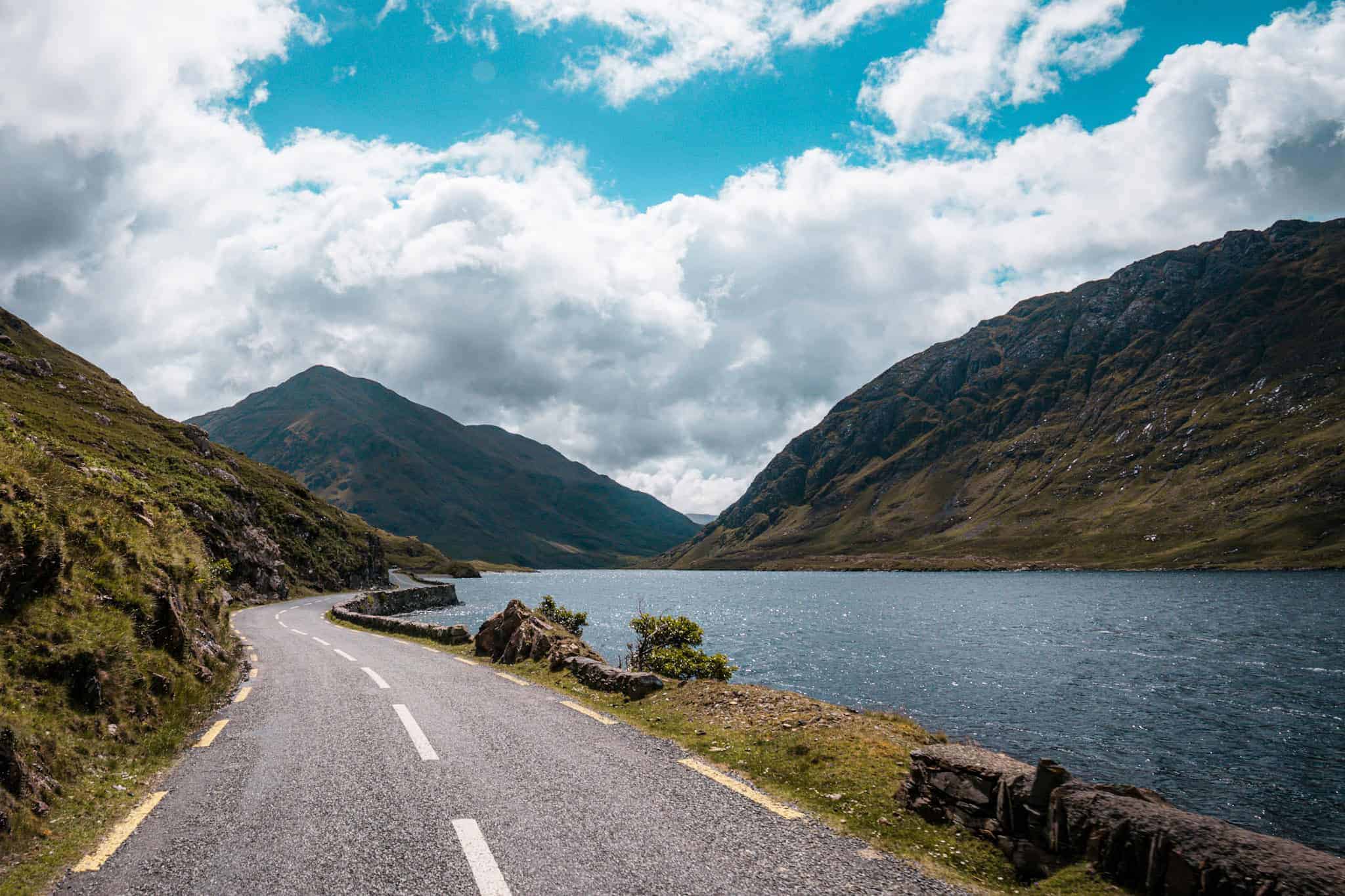
For a dramatic and moving drive, head through the Doolough Valley, a hauntingly beautiful glacial valley linked to a tragic famine walk in 1849. Today, it’s a place of quiet reflection and some of the most breathtaking scenery in the west.
Killary Fjord
Just a short drive south, Killary Fjord is Ireland’s only fjord and stretches 16 km inland between Mayo and Connemara. You can take a boat trip, enjoy seafood in the village of Leenane or stop at the Aasleagh waterfalls.
Connemara

Cross into Connemara, one of Ireland’s most beloved regions, known for its wild landscapes, traditional stone walls, and small Irish-speaking communities. It’s perfect for scenic drives, hiking in the national park, or a visit to Kylemore Abbey.
Croagh Patrick
On the road back toward Westport, you’ll pass Croagh Patrick, Ireland’s holy mountain. Even if you don’t climb to the summit, the visitor centre and lower slopes offer insight into its religious significance and sweeping views over Clew Bay.
Final Thoughts: Why the Lost Valley Belongs on Your Itinerary
The Lost Valley of Uggool is more than just a scenic walk! Few attractions in Ireland allow you to stand among famine-era ruins one moment, gaze at pristine Atlantic views the next, and then finish with tea and biscuits in the company of the very family who care for the land.
It’s this balance that makes the Lost Valley so special. You come for the scenery, but you leave with a deeper understanding of Ireland’s past and a genuine connection to its people today.
For those seeking something different from the well-trodden highlights, the Lost Valley offers one of the most unique and unforgettable experiences in Ireland. It feels authentic, untouched, and personal, which is precisely why it deserves a spot on your itinerary.

ARE YOU ON PINTEREST?
What about saving this post to your Pinterest board?
Click on the photo to save this blog post for later. Follow Travel Ireland Today’s boards to see our latest pins.

I help you explore Ireland like a local with insider tips, detailed itineraries, and practical advice.
HEY THERE! I’M JEN…
Funder, Author & Photographer behind travelirelandtoday.com
Ireland has been my home for the last 12 years. Before settling here, I spent years backpacking around the globe, visiting 65+ countries. Along the way, I discovered my love for hiking, photography, and crafting budget-friendly itineraries.
Through this website, I share the best things to do and see in Ireland, detailed hiking guides, and practical tips to help you plan your perfect Irish adventure. Let’s make your trip unforgettable!