How to Explore the Boyne Valley in 1 or 2 Days
This website uses affiliate links which may earn a small commission at no extra cost to you. Thank you for your support.
The Boyne Valley is one of Ireland’s most captivating destinations, brimming with history, culture, and stunning landscapes. Located in the heart of Ireland’s Ancient East, this region is home to world-famous landmarks like Brú na Bóinne, Trim Castle, and the Hill of Tara, alongside countless hidden gems waiting to be explored.
Whether you’re drawn to the mysticism of Neolithic passage tombs, the drama of medieval castles, or the tranquillity of the lush countryside, the Boyne Valley offers an unforgettable journey through time. It’s a region where mythology meets archaeology and where every corner tells a story.
In this guide, I’ll show you the best way to experience the Boyne Valley, from self-guided road trips to guided tours and even public transport options. I’ve also included two itineraries: a one-day plan for must-see highlights and a two-day plan for those looking to dive deeper into the region’s wonders.
Plus, I’ll share tips on what to pack, where to eat, and how to make the most of your visit. Let’s dive into the beauty of the Boyne Valley!
Boyne Valley Must-see places
Brú na Bóinne: Newgrange & Knowth
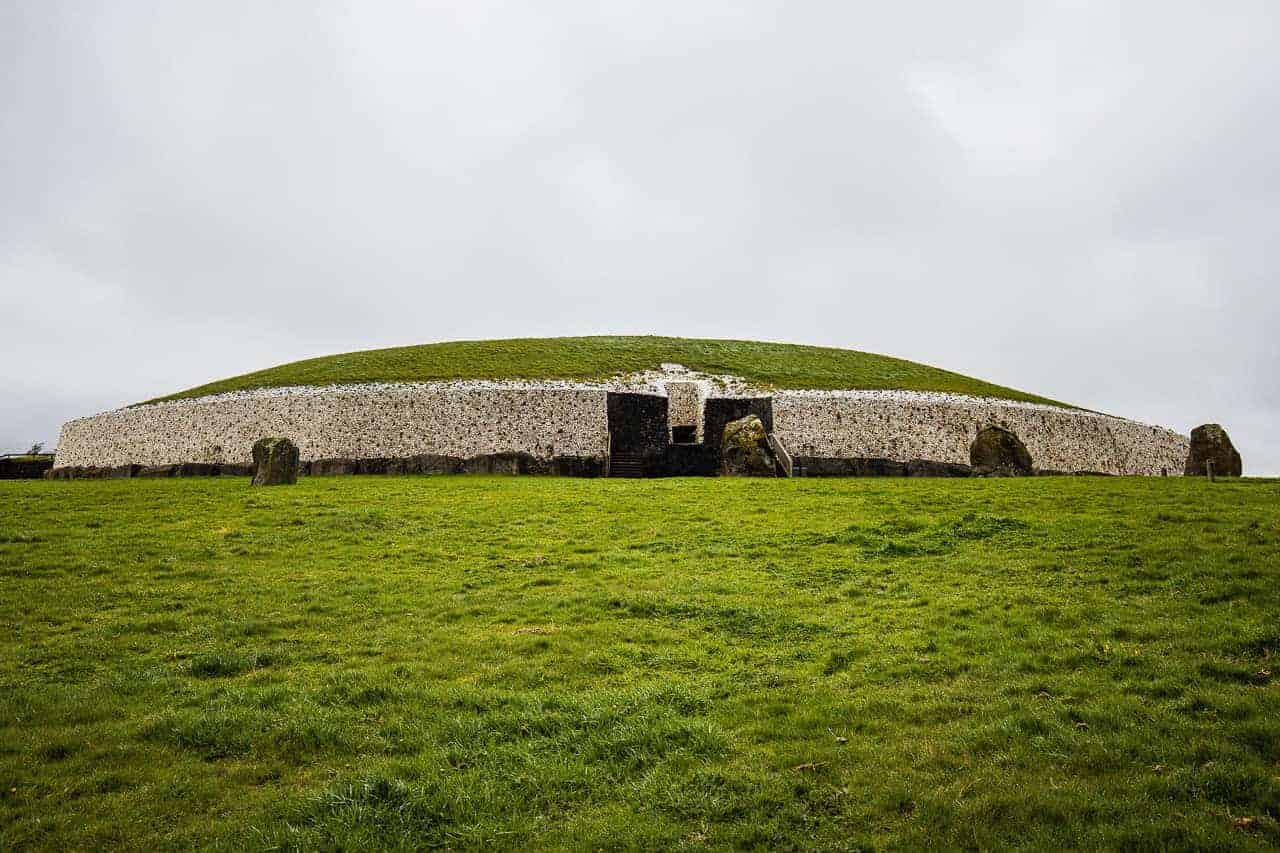
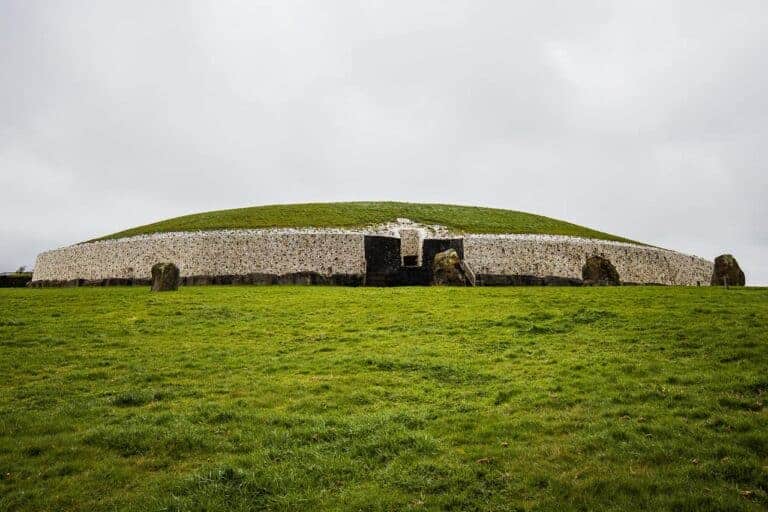
Brú na Bóinne, a UNESCO World Heritage Site in County Meath, is home to the extraordinary passage tombs of Newgrange and Knowth, built over 5,000 years ago. These Neolithic structures, older than the Great Pyramids, are masterpieces of ancient engineering and art.
Newgrange’s passage and central chamber align perfectly with the winter solstice sunrise, creating a stunning beam of light that illuminates the tomb each December. While only 60 lucky lottery winners can experience this phenomenon in person during the solstice, daily guided tours are still available (with access to the chamber at Newgrange included).
In my opinion, Knowth is equally fascinating, featuring over 200 carved stones; the largest collection of Neolithic art in Europe, and a complex of smaller tombs surrounding its main mound. Together, these sites reveal the beliefs and ingenuity of Ireland’s ancient ancestors.
You must begin your visit at the Brú na Bóinne Visitor Centre, where you will find a free exhibit providing some context for the tombs. At the time of your tour, a shuttle bus will take you to Newgrange and Knowth (depending on the package booked). You cannot access Newgrange or Knowth on your own.
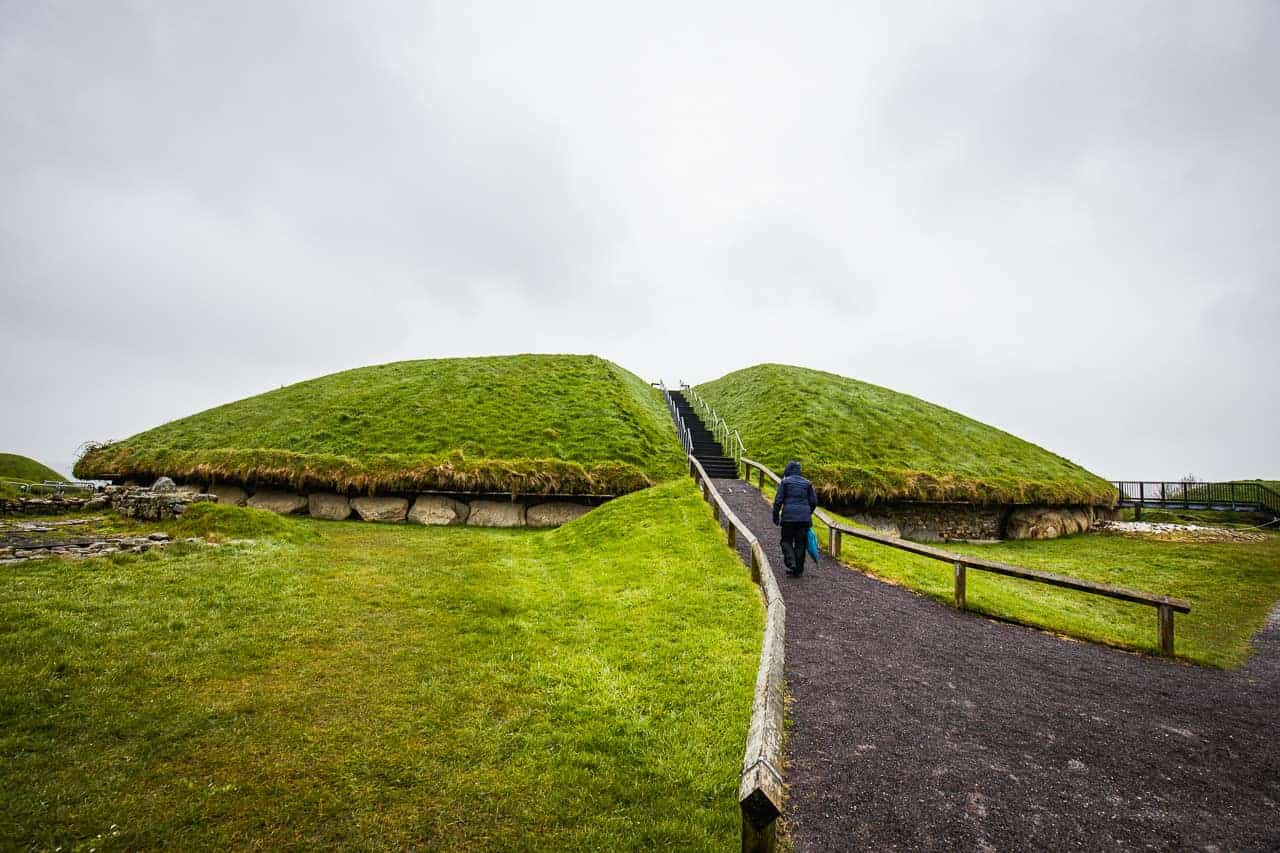

- Opening Hours: The visitor centre is open daily, typically from 9 am to 4/5 pm. From November to February only the Newgrange tour is available for booking.
- Entry Fees: Admission ranges from €10 per person, depending on the tour package you chose (there are 3 different ones, which vary in length)
- Booking: Advance booking is strongly recommended, particularly during peak tourist seasons, as tours often sell out. You can reserve tickets through the official website.
- Access Tips: The shuttle bus is included in the ticket price, but note that access to the tomb interiors involves uneven terrain and narrow passageways, which may not suit all visitors. You will be offered to stay outside the chamber passageway if you aren’t comfortable with closed and dark spaces.
- Parking: Free large car park onsite.
- For more details on how to visit Newgrange and Knowth, check our articles about Brú na Bóinne.
Hill of Tara
The Hill of Tara, or “Teamhair na Rí,” is one of Ireland’s most iconic and mystical sites. Once the ceremonial and political heart of ancient Ireland, this windswept hill in County Meath was the seat of the High Kings and a sacred place of immense spiritual significance. Tara’s history stretches back thousands of years, with archaeological evidence suggesting it was a focal point for rituals as early as 3,000 BC.
The hill is dotted with earthen mounds, ditches, and monuments, the most famous being the Lia Fáil, or “Stone of Destiny.” According to legend, this standing stone would cry out under the feet of a true king, marking their divine right to rule.
Although let’s be real, when visiting the site, you don’t get to see much. You can walk around the mounds but don’t build too much expectation (especially if you saw aerial photographs…). I think it is still worth visiting as the site is an important historical landmark and the views are phenomenal.
- Opening Hours: The Hill of Tara is accessible year-round, and there’s no restriction on visiting times. However, the visitor centre operates seasonally, typically from 10 am to 6 pm from May to September.
- Entry Fees: Entry to the hill itself is free, but donations are encouraged at the visitor centre. Guided tours are also available daily in the summer, but you will need to enquire at the visitor centre.
- Visitor Centre: You can watch a video about the Hill of Tara inside the visitor centre. It is about 25 min long.
- Access Tips: The walk around the site is uneven and can be quite slippery, so good waterproof shoes are best.
- Parking: There is a car park outside the Hill of Tara, marked as “Patrons Only” for Maguire’s Café & Gift Shop. I do not know how enforced this restriction is but many visitors park also along the road. The official car park for the Hill of Tara is located across from the café and costs €2 per car.
- Local tips: If you hear the Northern Lights are going to be visible from Ireland, Hill of Tara is a great spot near Dublin to go and try your luck. Now don’t expect much (like in the Nordic countries) but if they are strong, you might see them with the naked eye.
Trim Castle
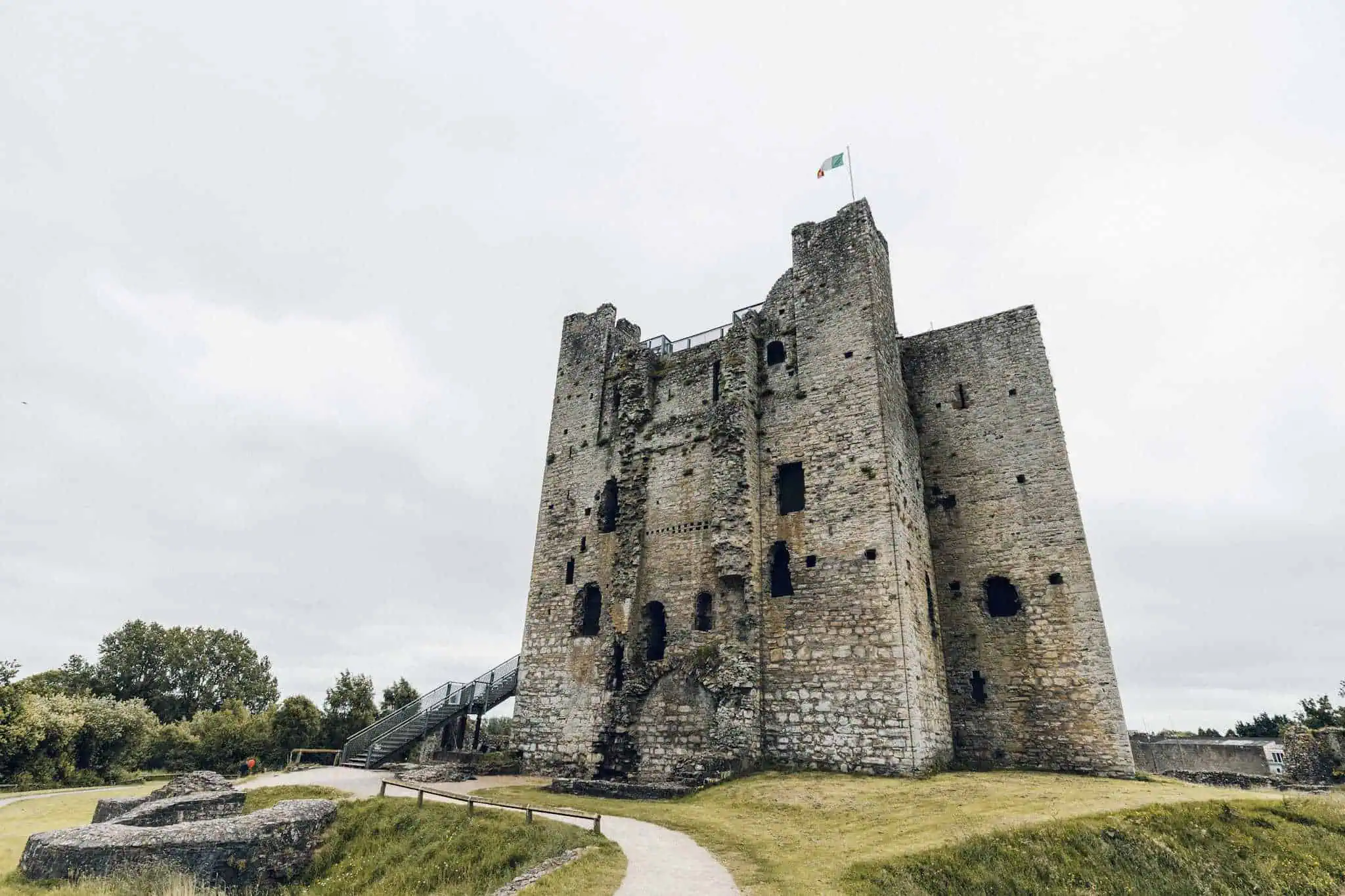
Trim Castle, the largest Anglo-Norman castle in Ireland, stands as an imposing reminder of the country’s medieval past. Built in the late 12th century by Hugh de Lacy, this fortress was designed to consolidate Norman power in Ireland. Situated in the picturesque town of Trim, it’s also known for its cinematic role in Braveheart.
The castle’s cruciform central keep, high stone walls, and curtain wall with defensive towers are masterpieces of military architecture. Visitors can explore the inner ward, complete with remnants of the moat, drawbridge, and gatehouse.
Guided tours provide a vivid look at the castle’s construction, its role in medieval life, and the battles fought within its walls.

- Opening Hours: Open daily from mid-February to the end of October. In winter, the castle is only open on weekends.
- Entry Fees: Access to the ground is free. Guided tours: €5 per adult, seniors: €4, Children/Students: €3. Family tickets are also available at €13.
- Access Tips: The keep tour involves climbing narrow, winding staircases, so it’s not recommended for those with mobility issues.
- Parking: There is a large Pay on-display car park outside (€1 per hour Monday to Saturday from 9 am to 6 pm).
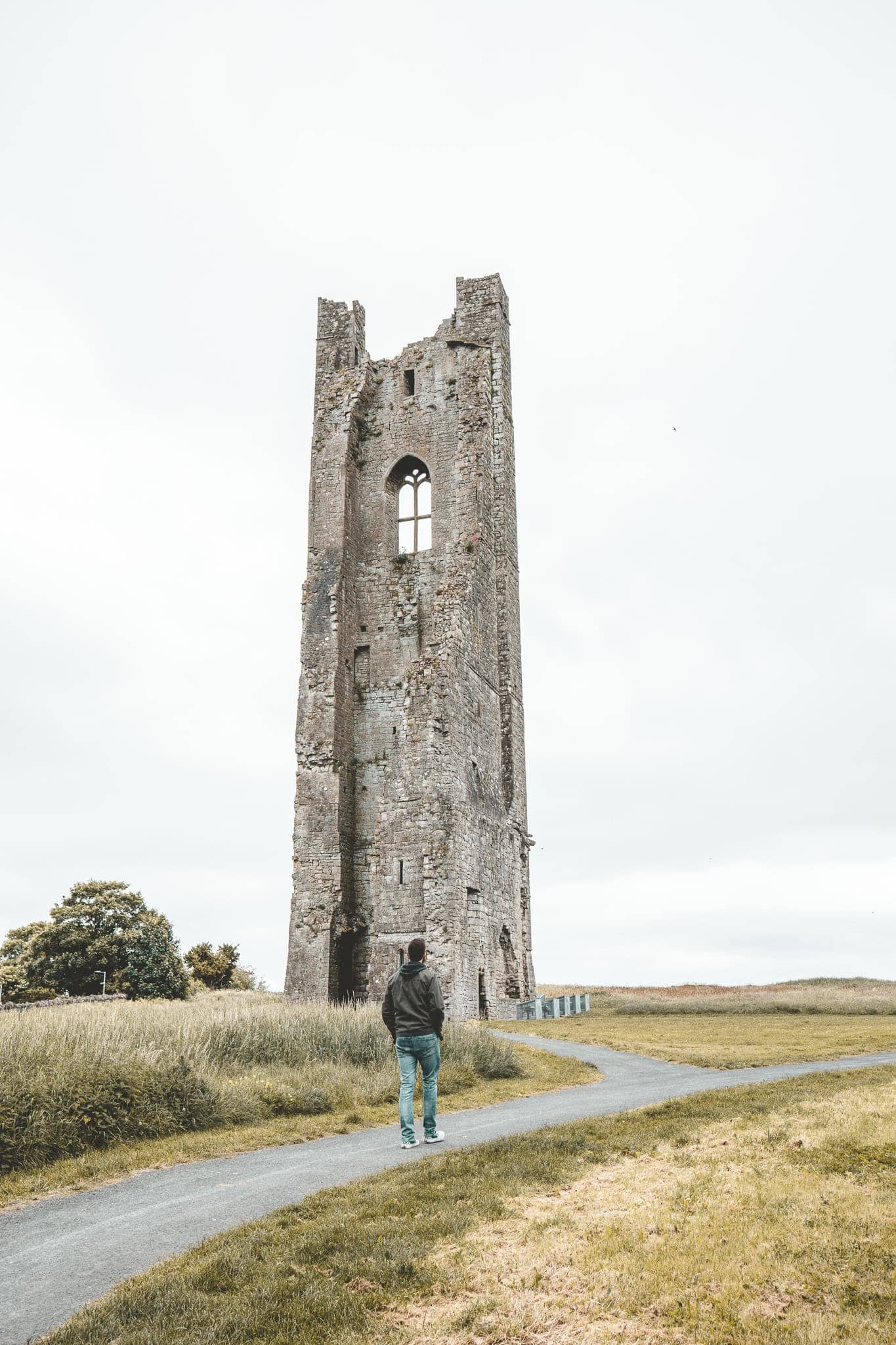
Beyond the castle itself, the surrounding Heritage Town of Trim is well worth exploring. Wander along the riverside Trim Castle Walk, where you’ll pass medieval ruins, including the Sheep Gate and the remains of St. Mary’s Abbey.
Loughcrew Cairns
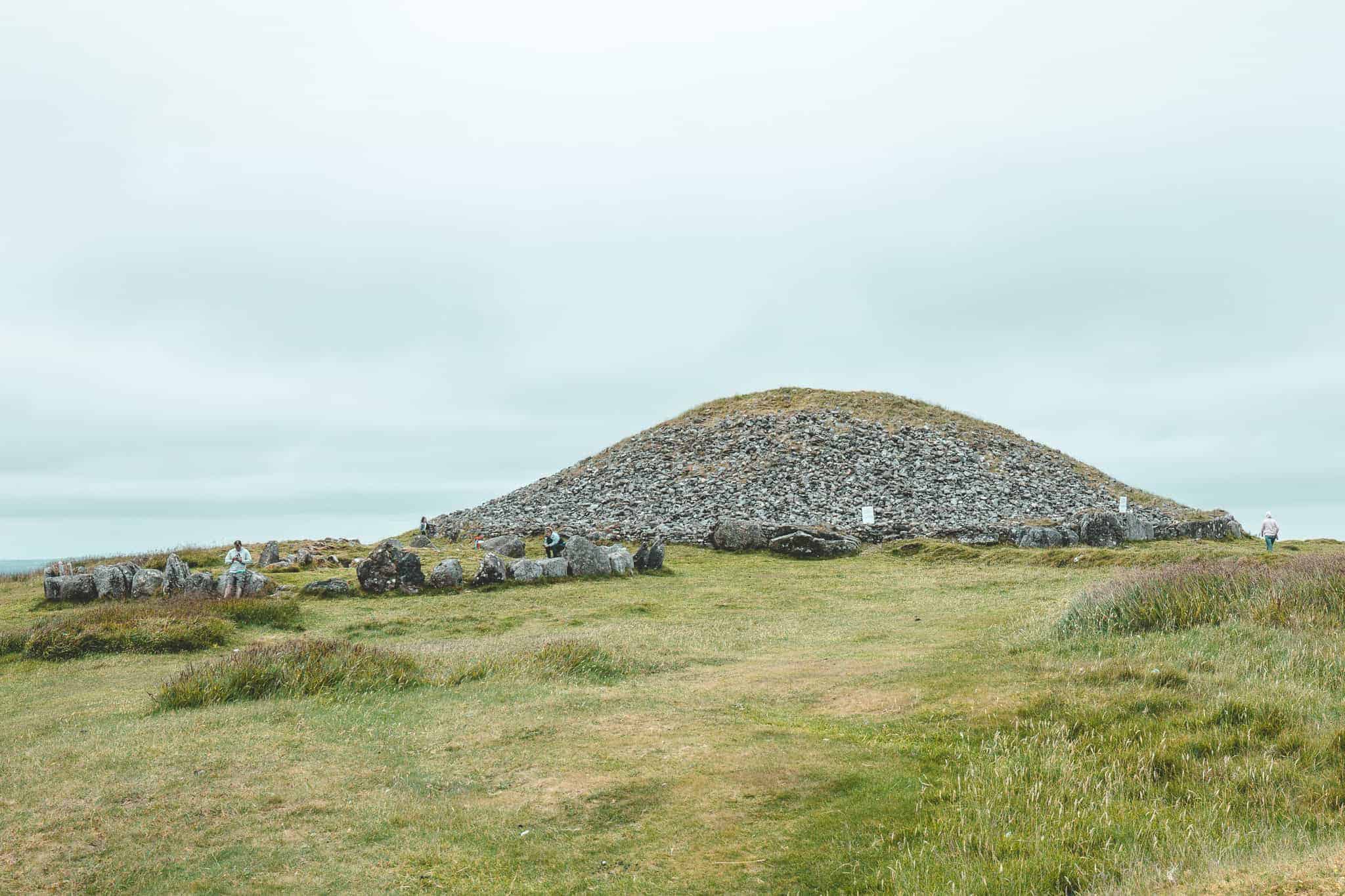
The Loughcrew Cairns are a stunning collection of Neolithic passage tombs perched atop the hills of County Meath. Dating back over 5,000 years, these cairns offer a quieter and more intimate experience than the better-known Brú na Bóinne.
The highlight is Cairn T, a passage tomb aligned with the rising sun during the spring and autumn equinoxes. Sunlight illuminates intricate carvings within the chamber, including spirals and lozenges, showcasing the advanced astronomical knowledge and artistry of its creators.
According to folklore, the hills were created by a giant witch, An Cailleach, who dropped stones from her apron as she leapt from peak to peak.
Reaching Loughcrew Cairns requires a short but steep hike to the summit. Once at the top, you’ll be rewarded with panoramic views stretching across multiple counties on a clear day – and will find local OPW guides if you wish to learn more about the site.


- Opening Hours: The site is open year-round, though access to the interior of Cairn T is currently not open to the public.
- Entry Fees: Access is free. You will find OPW guides at the top of the Cairns during the summer season. They can answer questions but they also run tours (1 hour) from May to September.
- Booking: No booking is required as it is less visited but you may have to wait a little bit until the tour starts.
- Access Tips: The hike to the Cairns is steep and can be slippery in wet weather, so sturdy walking shoes are essential. Bring a rain jacket and layers, as the exposed hilltop can be windy and unpredictable.
- Parking: Free car park at the bottom of the hill
Kells High Cross
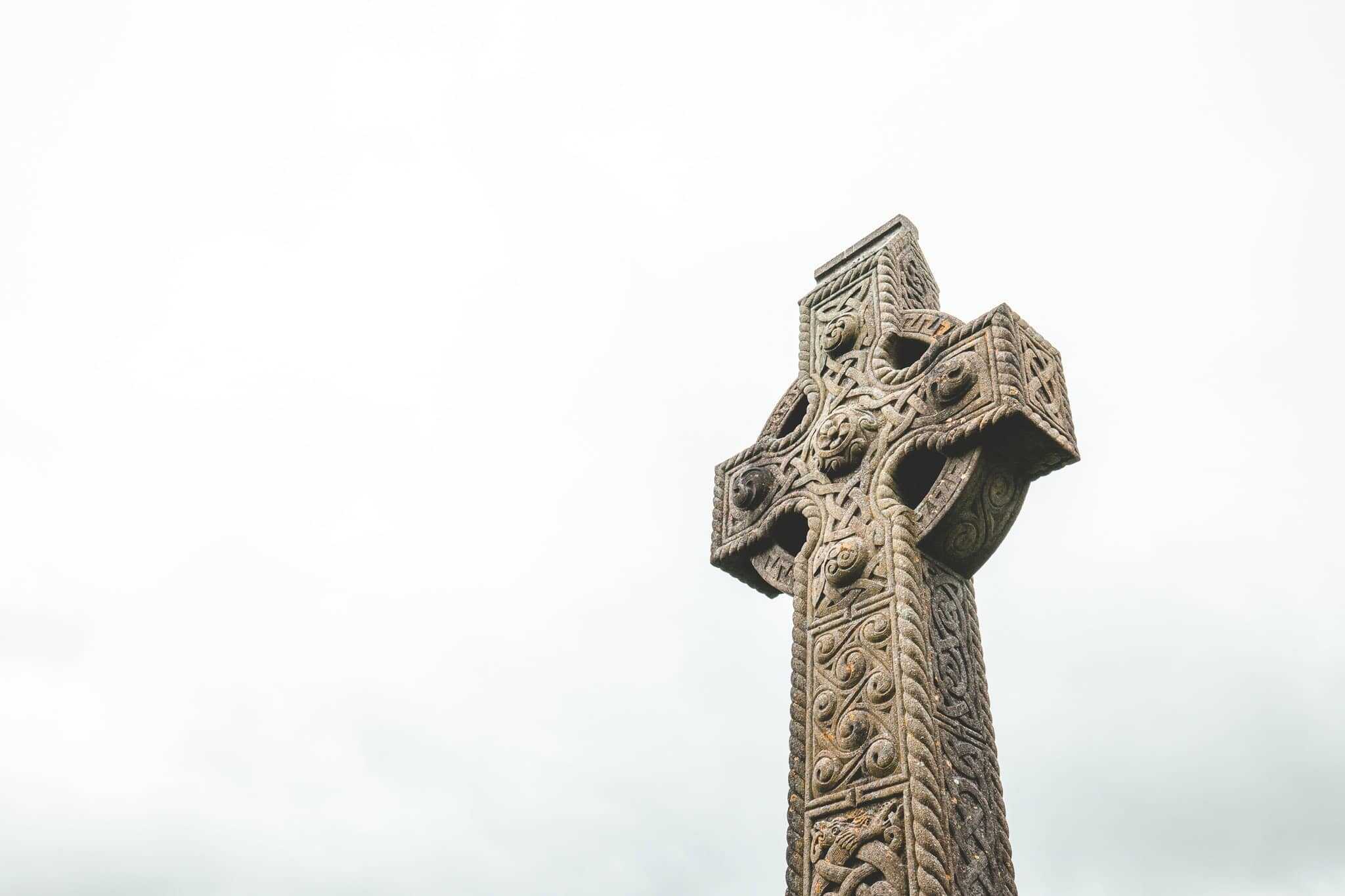
The Kells High Crosses are stunning examples of early Christian craftsmanship in the historic town of Kells, County Meath. Carved between the 9th and 12th centuries, these crosses combine intricate biblical scenes with Celtic art and were likely used to teach Christian stories to a largely illiterate population.
The most notable is the South Cross (or Cross of Patrick and Columba) in St. Columba’s Churchyard, standing over 3 metres tall and featuring detailed carvings of the Crucifixion and the Sacrifice of Isaac. Nearby, the Market Cross, once a medieval meeting point, is another striking relic.
Though the Book of Kells, created by monks in Kells, now resides at Trinity College Dublin, the town’s deep ecclesiastical history remains palpable. You can explore the churchyard and admire these beautifully preserved crosses.
Local tip: Just outside Kells, the Spire of Lloyd, a striking 18th-century lighthouse built inland, offers panoramic countryside views and makes for a quick, unique stop along your Boyne Valley itinerary.


High Cross of Kell
- Opening Hours: St. Columba’s Churchyard, where most of the high crosses are located, is open to visitors year-round, from morning until dusk.
- Entry Fees: There’s no cost to visit the churchyard and view the high crosses.
- Parking: On-street parking required. Expect Pay-on-Display.
Spire of Lloyd: You can visit the Spire of Lloyd every Friday morning (3 tours from 10 to 12pm) from March to September only.
Old Mellifont Abbey

Old Mellifont Abbey, founded in 1142 by St. Malachy, was the first Cistercian monastery in Ireland and a centre of religious reform. Nestled in the peaceful countryside of County Louth, its name, “Mellifont,” or “Honey Fountain,” reflects its idyllic riverside setting.
At its height, Mellifont housed over 100 monks and 300 lay brothers, introducing continental architectural styles to Ireland. The lavabo, an octagonal washroom used for ritual handwashing, is one of its most striking features and a rare example of medieval monastic design.
Dissolved during the 16th-century Reformation, the abbey later served as a battleground during the Battle of the Boyne in 1690. Today, its tranquil ruins invite visitors to explore stone walls, learn from informational boards, and imagine the spiritual and communal lives of its monks.


- Opening Hours: Grounds are open all year round. The Visitor Centre is only open from May to September from 10 am to 5 pm.
- Entry Fees: Access to the exhibition & guided tour in the summer costs €5 per adult, with concessions for seniors (€4), students & Children 12-17 (€3). Under 12 enter for free.
- Booking: Not required.
- Parking: Free small car park on-site
Monasterboice

Monasterboice, founded in the 5th century by Saint Buithe, is a serene early Christian site in County Louth. It is renowned for its high crosses, round tower, and ancient church ruins.
The Muiredach’s High Cross, standing 5.5 metres tall, is a masterpiece of early Christian art. Carved in the 9th or 10th century, it depicts intricate biblical scenes like the Crucifixion and the Last Judgement. Nearby, the West Cross (or Tall Cross) is Ireland’s tallest surviving high cross, towering at 7 metres.
The site’s round tower, built in the 10th century, once served as a refuge for monks and their treasures during Viking raids. Though its conical roof is gone, the tower remains an impressive centrepiece.


- Opening Hours: Open year-round with no restricted hours, as it’s an open-air site.
- Entry Fees: Admission is free, but donations are welcomed to help with the maintenance of the site.
- Parking: There is a large parking outside the cemetery.
Battle of the Boyne Visitor Centre
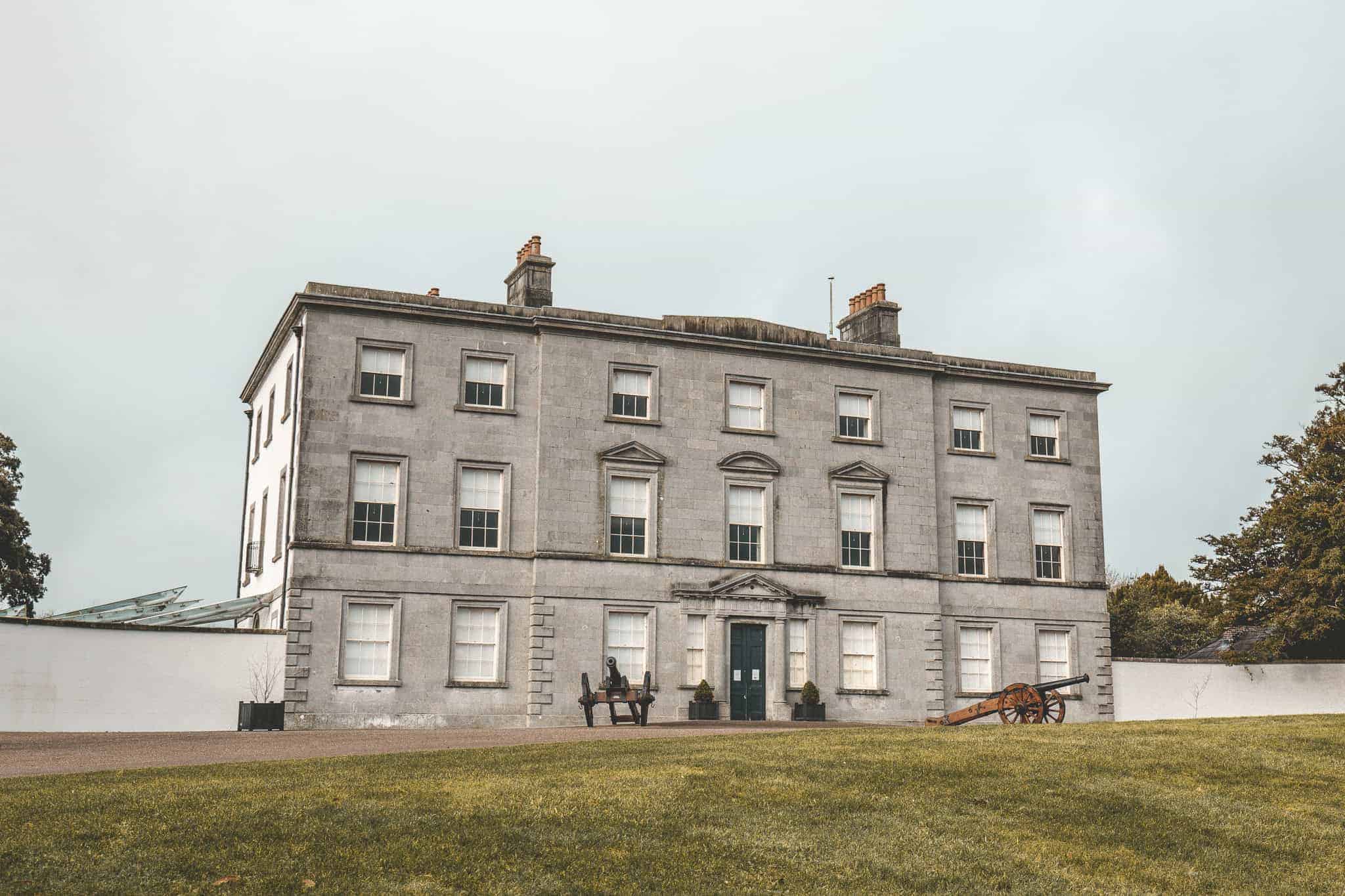
Located at the Oldbridge Estate near Drogheda, the Battle of the Boyne Visitor Centre delves into the decisive 1690 clash between King William III and King James II. This pivotal battle, fought along the River Boyne, shaped Irish and European history.
The centre, housed in a Georgian mansion, offers engaging exhibits, original weaponry, and replica cannons. You can explore detailed accounts of the battle’s strategies and outcomes, enhanced by interactive displays and a short film.
Outside, the estate features beautiful gardens and a battlefield walk where you can trace troop movements and imagine the dramatic events that unfolded on this now-tranquil landscape.


- Opening Hours: Open year-round, typically from 9 am to 5 pm. Hours may vary slightly by season, so it’s best to check in advance on the official website.
- Entry Fees: The grounds and walled garden are free. Entry to the visitor centre exhibition costs €5 for adults, €4 for seniors, and €3 for children/students. Family tickets are available for €13. Guided tours of the battlefield are included in the admission fee at scheduled times.
- Important Update: The visitor centre exhibition is currently partially closed, with entry through the stables only. As of January 2025, admission to the Battle of the Boyne site is free.
- Access Tips: The centre and its exhibits are wheelchair accessible. The battlefield walk includes uneven terrain, so comfortable footwear is recommended.
- Parking: Large Free car park on site
Drogheda and St Laurence’s Gate

The bustling town of Drogheda, in County Louth, is steeped in history, with St Laurence’s Gate as its crowning medieval landmark. This 13th-century barbican, once the main entrance to the walled town, is a striking example of Anglo-Norman architecture.
Drogheda’s historic centre is compact and easy to explore on foot, with several other notable sites nearby.
The Millmount Museum and Martello Tower, located on a hill overlooking the town, offer panoramic views and fascinating exhibits on Drogheda’s history.
The Magdalene Tower, another remnant of the town’s medieval period, and the Highlanes Gallery, housed in a converted church, provide further glimpses into the town’s artistic and cultural life.
- Parking: On-street parking required. Expect Pay-on-Display.


How to visit the Boyne Valley
Self-Guided Road Trip
A self-guided road trip is one of the best ways to explore the Boyne Valley, offering the freedom to visit at your own pace and uncover its many historical and scenic treasures. Most sites are within close proximity, making it easy to craft a day or two-day itinerary that suits your schedule. (which we have already done for you! See below.)
Most of you will start your trip from Dublin. As you leave the city, take either the M2 or M3 depending on where you are based. These are free motorways.
For those visiting from the south side of the city, you may need to take the M50 to join the northern motorways, so be aware you will pass the M50 toll which doesn’t have a booth (payment must be done ahead or within 24 hours via eFlow – details here)
If you are starting your day from elsewhere like Belfast, use Google Maps to calculate the initial driving distance, as I cannot cover every town!!

Be aware that most roads from one landmark to another are quite narrow and you will need to take this into consideration for the driving time. Distances are generally short but if you use Google Maps as a navigation system, add some buffer (Google doesn’t register that you can’t drive safely at 80km/h on these roads, like it seems to believe!…)
For those who don’t already have a car, you can rent a car from Dublin Airport or the city centre. You can read our article about renting a car in Ireland, or visit Discover Cars to find the best deals.

BEST IRELAND CAR RENTAL COMPANY DISCOVER CARS
When booking a rental car in Ireland online, I use Discover Cars because they offer Full coverage for less than €7. It is the best rental car comparator out there!
Recommended Boyne Valley Itineraries
With so much to see, you won’t be able to cover everything in a day, so choose your preferred sites and group locations that are close to one another for a more efficient trip.
I’ve prepared two itineraries to help you make the most of your visit:
- A one-day itinerary highlighting the top four must-see sites.
- A two-day itinerary for a deeper exploration of the region.
If you’re staying in Dublin, you can drive to and from the Boyne Valley each day. Alternatively, you could spend the night in one of the charming local towns such as Kells, Slane, or Drogheda, each offering cosy accommodation and great dining options. I have listed a couple of options below.
Whichever itinerary you choose, start your day early. Because you may have to book in advance some of the places (depending on the time of the year), such as Brú na Bóinne, make sure to take the time of the visit accordingly and reorganise the itinerary if you need to.
Acces our Boyne Valley Road Trip Map
To access our interactive Google Maps version of the Boyne Valley Itineraries mentioned above, click on the map and enter your email.

One-Day Itinerary: The Highlights
- Hill of Tara (30 min)
- Trim Castle (1 hour)
- Brú na Bóinne: Newgrange & Knowth (2-3 hours)
- Battle of the Boyne Visitor Centre (1 hour)
Note: If you are coming from the Northern side of the country, I’d recommend doing this itinerary in reverse, starting by the Battle of the Boyne and ending at the Hill of Tara
Two-Day Itinerary: The Complete Experience
For those with more time, this extended itinerary ensures you soak up every corner of the Boyne Valley.
Day 1:
- Hill of Tara (30 min)
- Trim Castle (1 hour)
- Loughcrew Cairn (1 hour)
- Kells High Cross (20 min)
Day 2:
- Brú na Bóinne: Newgrange/Knowth (2-3 hours)
- Battle of the Boyne Visitor Centre (1 hour)
- Drogheda (1 hour)
- Monasterboice (10 min)
- Old Mellifont Abbey (20 min)
I recommend staying in Kells, Slane or Drogheda. Here are some accommodations you may like.
🏨 Hotels near the Boyne Valley
Where to eat & grab a coffee
Exploring the Boyne Valley is bound to work up an appetite! From cosy cafés to charming bakeries, here are some great spots to enjoy a meal or a coffee break during your visit:
Drogheda
- Five Good Things: A vibrant café offering delicious brunch options. Perfect for a casual bite in the heart of Drogheda.
Slane
- Georges Patisserie: A delightful bakery serving fresh pastries, bread, and cakes. Great for a quick coffee stop or takeaway treat.
- Silly Sid’s: A quirky café with a warm vibe and a menu of homemade favourites, including hearty soups and fresh sandwiches.
Kells
- The Book Market Café: A cosy spot with a bookshop vibe, offering light bites, excellent coffee, and a relaxed atmosphere.
- 2 Brew Kells: A hip café known for its speciality coffee and locally sourced treats.
Trim
- The Olive Tree: A charming bistro serving everything from full Irish breakfasts to hearty lunches. Ideal for refuelling after visiting Trim Castle.
- Stonewall Café: Located near the castle, this café offers tasty soups, sandwiches, and excellent coffee in a welcoming setting.
Duleek
- Beo Caffe: A hidden gem in Duleek, offering fantastic coffee, fresh pastries, and a peaceful spot to recharge.
Take a day tour from Dublin
If you’re staying in Dublin and don’t have access to a car, joining a guided day tour is an excellent way to explore the highlights of the Boyne Valley. Tours are convenient and informative, and allow you to see multiple key sites without worrying about driving or planning logistics.
Depending on your schedule, you can choose one of these highly-rated tours or combine them across two days for a more comprehensive experience.
1. Celtic Boyne Valley and Ancient Sites Tour
- Highlights: Visit the Hill of Tara, Trim Castle, Loughcrew Cairns, and Fore Abbey.
- What to Expect: This tour focuses on Ireland’s ancient spiritual and medieval history. While it doesn’t include Newgrange or the Battle of the Boyne, it’s perfect for those seeking a mix of iconic and off-the-beaten-path sites.
- Details: This full-day tour departs from Dublin and lasts about 8–10 hours.
- Link: Book this tour
2. Boyne Valley with Newgrange Entry
- Highlights: Visit Newgrange, the Battle of the Boyne Visitor Centre, and Monasterboice.
- What to Expect: This tour includes entry to Newgrange (not Knowth), giving you access to one of Ireland’s most famous Neolithic monuments. It also includes other key Boyne Valley sites, blending ancient history with religious heritage.
- Details: This full-day tour departs from Dublin and lasts about 9–10 hours.
- Link: Book this tour
Which Tour Should You Choose?
- If you love prehistory and must-see landmarks: Opt for the Boyne Valley with Newgrange tour.
- If you want a mix of famous and lesser-known sites: The Celtic Boyne Valley tour offers a variety of lesser-visited landmarks.
- Want it all? Take both tours across two days to fully experience the Boyne Valley while staying comfortably based in Dublin.
Use Public Transport
Visiting the Boyne Valley by public transport is possible, but it requires careful planning. The key is to reach Drogheda, the region’s transport hub, from where you can connect to several heritage sites.
Getting to Drogheda
By Bus: The 101 Bus runs frequently from Dublin to Drogheda, departing from locations like Busaras, Mountjoy Square, Drumcondra, DCU, Dublin Airport, and Swords. This is a convenient and affordable option. Click here for the timetable.
By Train: Regular trains run from Connolly Station in Dublin and Central Station in Belfast to Drogheda.
From Drogheda to Heritage Sites
By Local Bus: The TFI Bus 163 connects Drogheda with key Boyne Valley sites, including the Brú na Bóinne Visitor Centre (for Newgrange and Knowth) and the Battle of the Boyne Visitor Centre. It runs five times daily from Drogheda’s bus station, so plan your day around its schedule.
By Taxi: Taxis are available in Drogheda for a more flexible and direct option to reach Brú na Bóinne or other nearby sites.
Plan Ahead: Use the Transport for Ireland (TFI) website to check schedules and plan your journey. Remember to time your connections carefully, especially if visiting multiple sites in one day.
Local Events and Seasonal Activities
If you are wondering when the best time is to visit the Boyne Valley, why not couple your trip with local events? Here is a list of seasonal activities you may like to take part in.
Newgrange Winter Solstice (December)
The Winter Solstice at Newgrange is a magical experience where the rising sun illuminates the inner chamber of the ancient tomb. However, participation is limited to just 60 lottery winners per year, selected from over 30,000 applications. To enter, fill out a form at the Visitor Centre or email your details (Name, Address, Country, Phone, and Email) to BrunaBoinne@opw.ie.
Boyne Valley Viking Experience (May)
Held at Slane Castle, this is Ireland’s largest medieval festival, featuring Viking re-enactments, battles, and family-friendly activities. Visit Boyne Valley Viking Experience for updates.
Drogheda Arts Festival (May)
A celebration of music, theatre, and visual arts, this festival takes over Drogheda’s streets and venues. Explore the programme at Drogheda Arts Festival.
Púca Festival (October)
This Halloween-inspired festival celebrates Ireland’s Celtic traditions with storytelling, music, and light installations in the Boyne Valley. Learn more at Púca Festival.
Another Love Story Festival (August)
A boutique arts and music festival with an intimate vibe, set in a stunning estate near the Boyne Valley. Tickets and info at Another Love Story.
Moynalty Steam Threshing Festival (August)
Held near Kells, this quirky event celebrates traditional farming with steam-threshing demonstrations, craft stalls, and entertainment for all ages. Visit Moynalty Steam Threshing.
Packing list recommendation
When visiting the Boyne Valley, it’s best to pack for all seasons, no matter the time of year. Ireland’s weather is famously unpredictable regardless of the time of year, so it is important to be prepared and pack accordingly.
- Weather-Appropriate Layers: Bring a mix of light and warm clothing to adapt to changing temperatures. Even in summer, a warm jumper is invaluable.
- Rain Gear: A waterproof jacket that doubles as a windbreaker is non-negotiable. Lightweight travel umbrellas can also be handy.
- Sturdy Footwear: Choose waterproof shoes or boots suitable for muddy paths and wet grass. Sites like the Hill of Tara or Loughcrew Cairns can get slippery, even in dry weather.
- Pack a day bag for snacks, water, and layers.
- Bring a hat and gloves if visiting in cooler months and sunscreen for unexpected sunny days.
For more details on what to pack for a trip to Ireland, make sure to check our Ultimate Packing List article or download our PDF checklist.
The Boyne Valley is an exceptional scenic drive in Ireland. It is like stepping into a living history book, with its ancient tombs, medieval castles, and tranquil countryside offering an unforgettable experience.
If you’re planning your visit, check out our guide to the Best Time to Visit Ireland to align your trip with seasonal events or good weather. For a broader overview, our article on Planning a Trip to Ireland is packed with tips to make your journey smooth and stress-free.
For those staying in the capital, the Boyne Valley is just one of many fantastic Day Trips from Dublin, offering a blend of history and natural beauty close to the city. And if you’re looking for even more adventures in the East of the country, our guide to the Best Things to Do in Leinster will inspire you to keep exploring this incredible region.

ARE YOU ON PINTEREST?
What about saving this post to your Pinterest board?
Click on the photo to save this blog post for later. Follow Travel Ireland Today’s boards to see our latest pins.

I help you explore Ireland like a local with insider tips, detailed itineraries, and practical advice.
HEY THERE! I’M JEN…
Funder, Author & Photographer behind travelirelandtoday.com
Ireland has been my home for the last 12 years. Before settling here, I spent years backpacking around the globe, visiting 65+ countries. Along the way, I discovered my love for hiking, photography, and crafting budget-friendly itineraries.
Through this website, I share the best things to do and see in Ireland, detailed hiking guides, and practical tips to help you plan your perfect Irish adventure. Let’s make your trip unforgettable!