Does It Rain in Ireland All the Time? A Comprehensive Guide
This website uses affiliate links which may earn a small commission at no extra cost to you. Thank you for your support.
When thinking of Ireland, many people imagine lush green landscapes, cosy pubs, and, of course, persistent rain. But does it really rain all the time in Ireland? It’s a question that often arises for travellers planning to visit the island.
While Ireland is indeed known for its wet weather, the reality is a bit more nuanced than the stereotype suggests.
This guide explores Ireland’s climate, rainfall patterns, what you can expect during your visit, and our best tips on how to enjoy the country whether it rains or shines.
Why Is Ireland So Rainy?
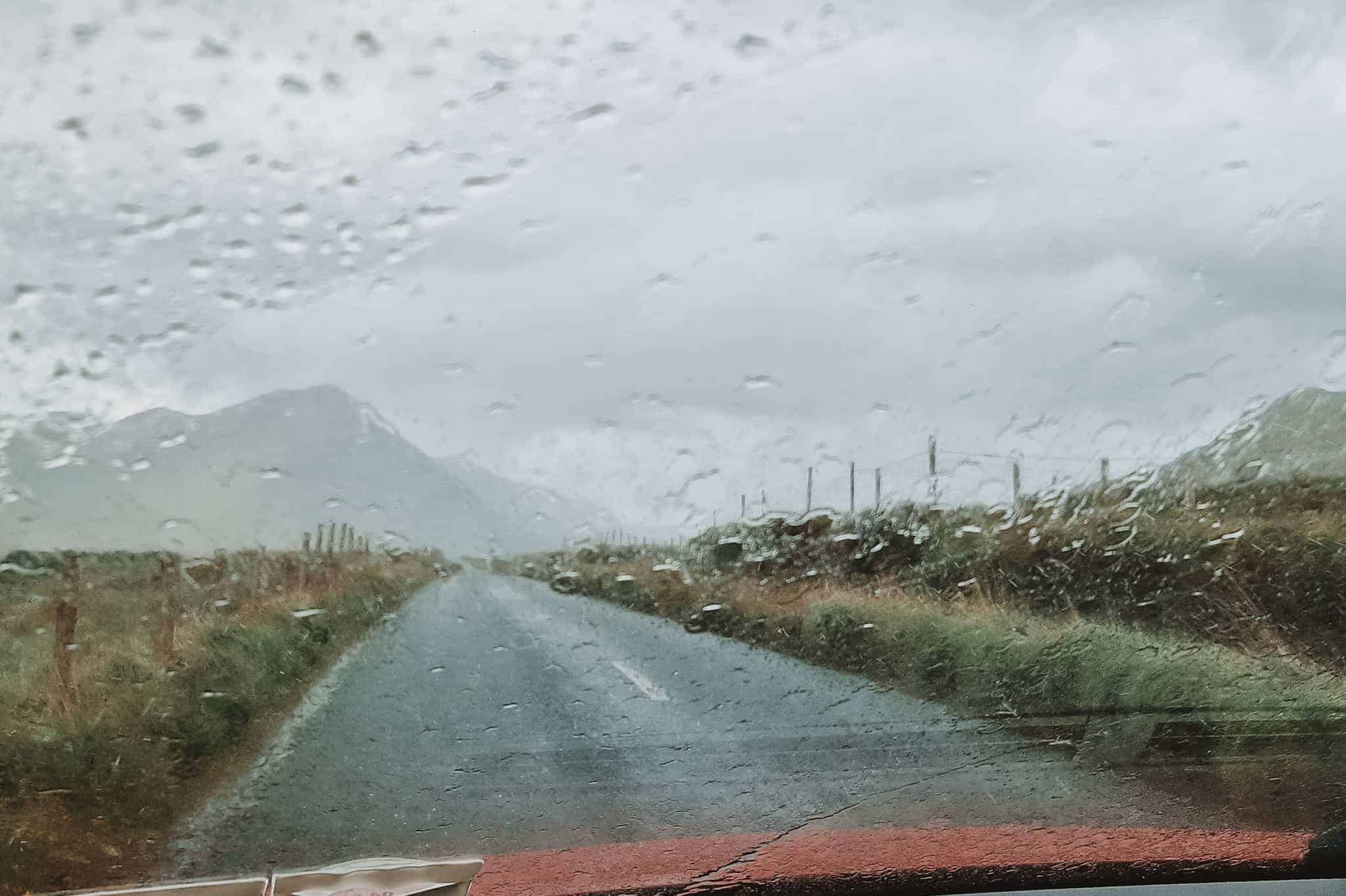
Ireland’s weather is heavily influenced by its location in the North Atlantic Ocean, which lies at the crossroads of several weather systems. The island is regularly impacted by moist air masses carried over the Atlantic by prevailing westerly winds. These air masses collide with cooler air, leading to frequent precipitation.
However, the warm waters of the Gulf Stream also play a significant role in Ireland’s climate, moderating temperatures and contributing to its relatively mild temperatures.
As a result, Ireland experiences frequent rain, but the intensity and duration can vary significantly depending on the region and time of year.
When to visit
Choose a province, then click a month to explore.
Does It Rain All Day in Ireland?
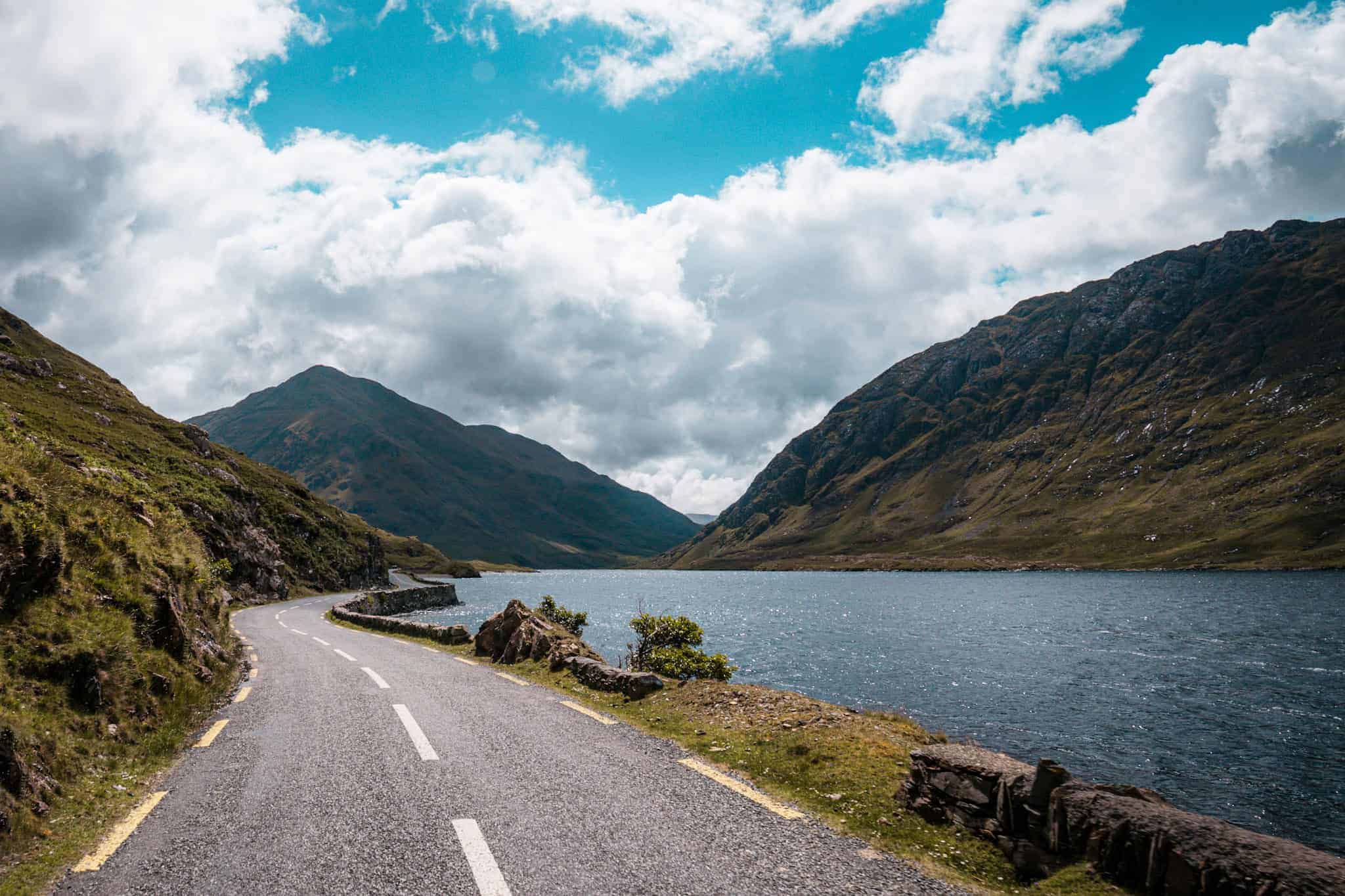
While rain is quite common in Ireland, it rarely rains all day. Most rainfall is intermittent, with quick showers followed by clear spells. This is often due to the battered by wind which makes the clouds move fast.
This variability means you can often experience multiple types of weather within a single day, something locals describe as having “four seasons in one day.”
Irish rain ranges from light drizzles to heavy downpours depending on the season, but it’s the former that is most typical. This characteristic misty rain, often referred to as a “fine soft day” is a common feature of the Irish climate, especially in the west.
How do you deal with the inconsistent weather in Ireland?
When I first moved to Ireland from the sunny South of France, I was quickly introduced to the unpredictability of Irish weather. The first piece of advice I received was that if I waited for the rain to stop before leaving the house, I might never go anywhere or do anything…
This turned out to be absolutely true. The only consistent thing in Ireland is how inconsistent the weather is… so you must learn to embrace it as it is, rather than letting it dictate your plans, unless, of course, you’re planning to go hiking in the mountains where and safety prevails.
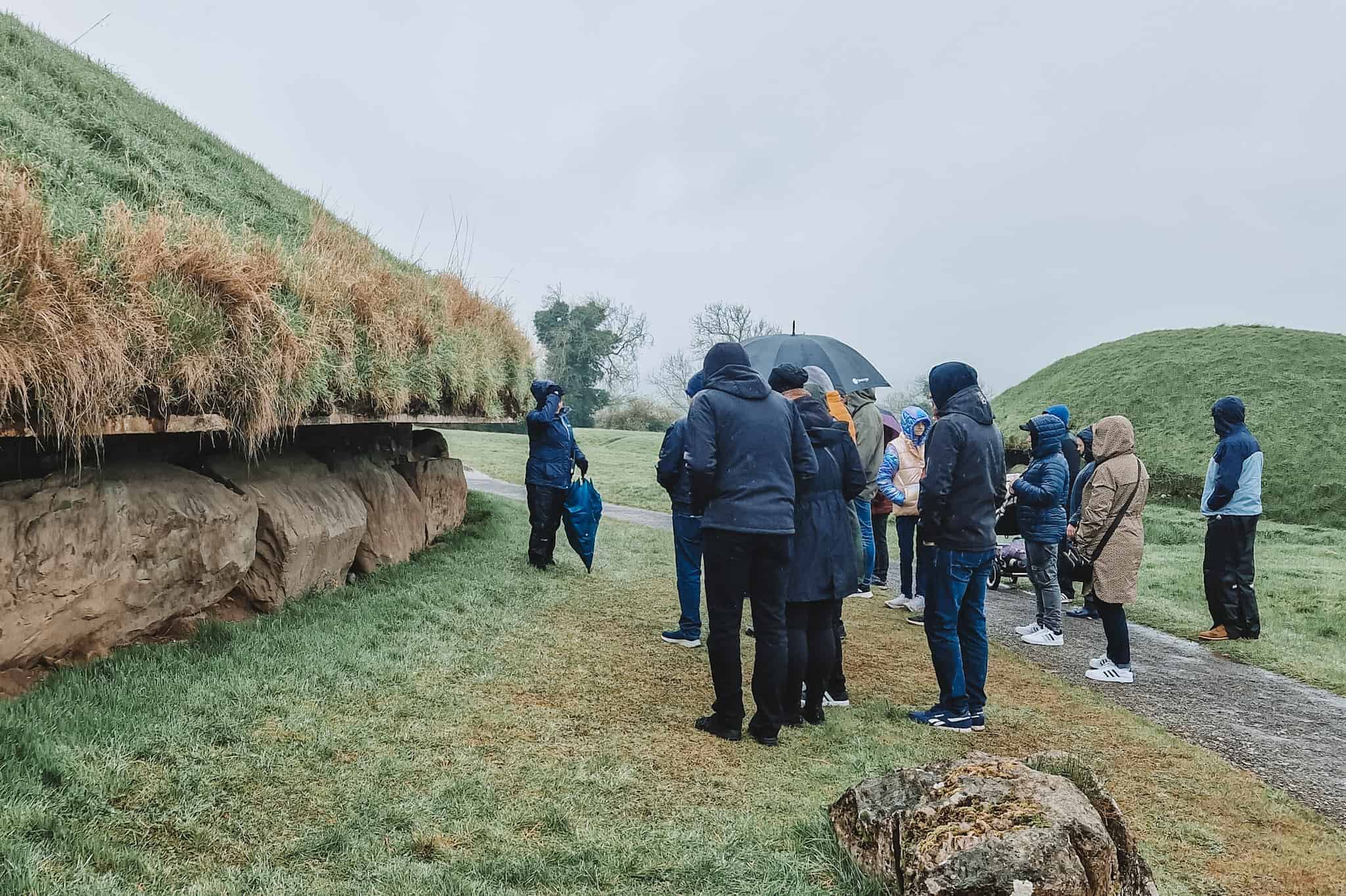
For most activities, however, the weather is just part of the Irish experience. If rain gets in the way of an outdoor adventure or a planned road trip, you can always pivot to something cosy and indoors, like watching a rugby match at the pub or going to a museum. But most time, I would suggest to just go for it. Rain will more than likely not last.
One of the most important ways to handle Irish weather is to be prepared. Whatever the time of year, pack layers, a rain jacket, a windbreaker, and good waterproof shoes. Make sure to read our Ultimate Packing List for Ireland or download our PDF Checklist.

Should You Cancel Your Trip if Rain Is Forecasted?
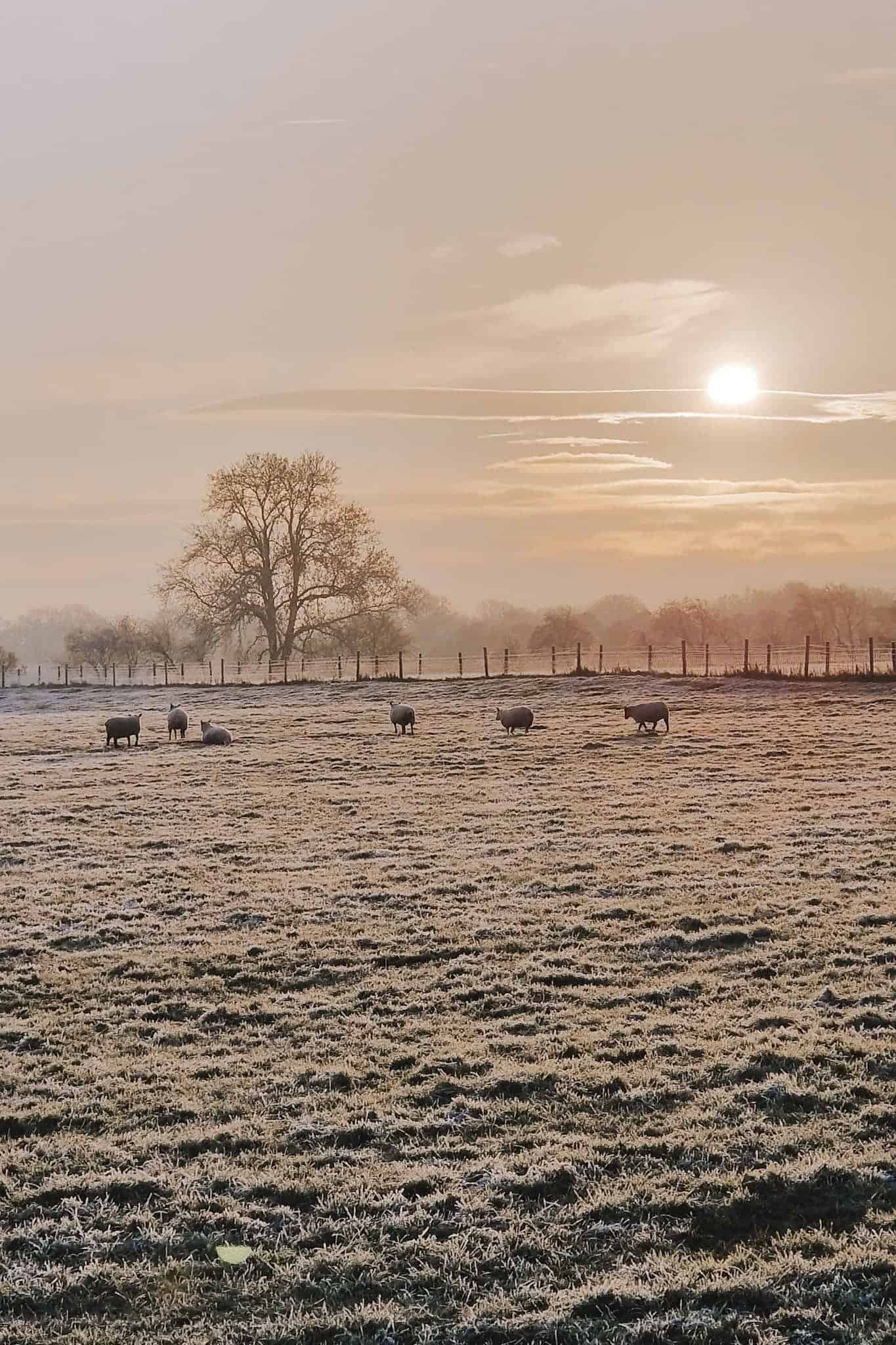
One of the biggest mistakes visitors can make is to be overly concerned with rain in the forecast. Irish weather is famously changeable, meaning that a forecast of rain doesn’t necessarily mean the day will be a washout.
In fact, it’s quite common for weather conditions to change rapidly. A rainy morning might be followed by a sunny afternoon, and a grey, overcast day might suddenly give way to a beautiful sunset.
To be honest, we barely look at the 3+ day forecast in Ireland. Even if the weather is one of the favourite topics amongst locals, the forecast is generally wrong anyway! Check it to have an idea of what you could expect (probably 4 seasons in a day) but if you have something planned like a hike or a barbecue, just look out the window and decide yay or nay!
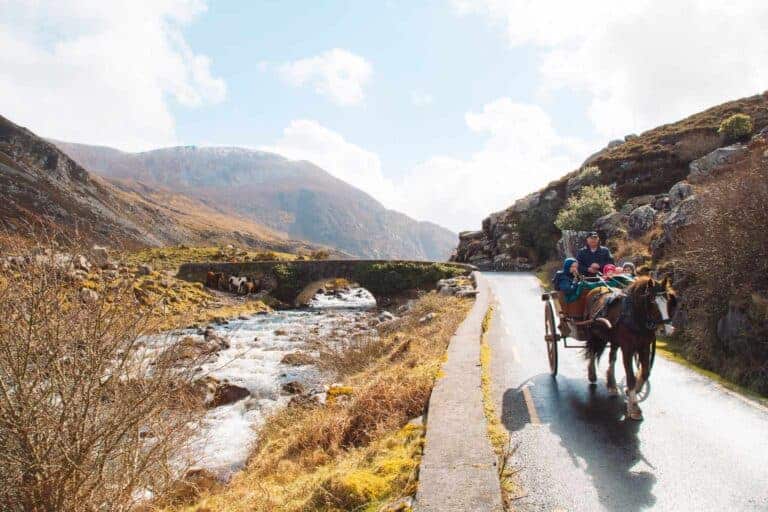
If rain doesn’t seem to stop, consider indoor activities like visiting a museum or exploring a cosy pub during heavier rain, but don’t be afraid to venture out when it’s just drizzling. Ireland’s most stunning sights and scenic drives, like the Cliffs of Moher or the Ring of Kerry, look even more dramatic under a cloudy sky.
Once again, there is no bad weather, just bad gears! If you are well prepared, rain won’t be an issue during your trip to Ireland.
Regional Differences in Rainfall
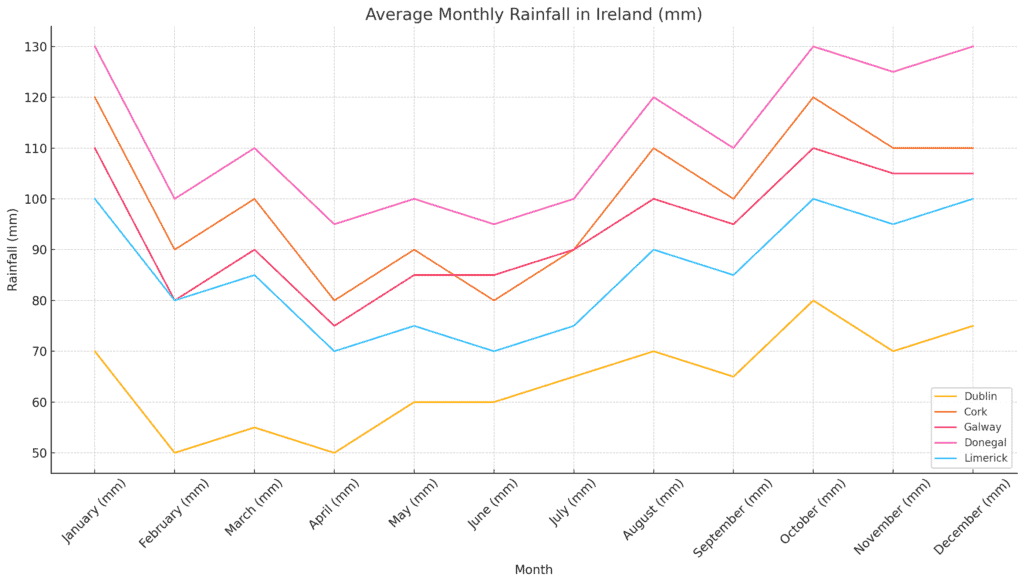
Ireland’s rainfall is not uniform across the country. The western regions, particularly those along the Atlantic coast, receive the most rain. In fact, in 2023, Kerry saw 404 mm of rainfall, Cork: 308 mm and Mayo 297 mm. This is because these areas are more exposed to Atlantic weather systems.
On the other hand, the eastern part of Ireland, including Dublin, generally experiences less rain. Rainfall in Leinster is lower than in the west, with fewer days of rain and lower overall precipitation.


What is Ireland’s wettest month?
Unlike some countries with distinct rainy seasons, Ireland’s precipitation is spread fairly evenly throughout the year.
However, the wettest months typically fall between October and January, with December often seeing the highest rainfall. During these months, the days are shorter, and the weather can be more unpredictable, with many storms hitting the country.
Despite this, summer months can also be quite wet, though they tend to have more dry days compared to winter.
💡After years of living in Ireland, May is in my opinion the best month in terms of consistent weather. We often experience incredible sunny and warm days during that time.
Contrary to what some might think, July and August aren’t always the ideal months to visit. This is because Ireland often ends up on the path of Atlantic storms, sometimes catching the remnants of Caribbean hurricanes, which bring strong winds and rain.
Also, while it might be slightly warmer in the summer if the sun isn’t shining, it doesn’t feel warm and I have often considered putting the heat back on in July… 😭
What month is the nicest weather in Ireland?
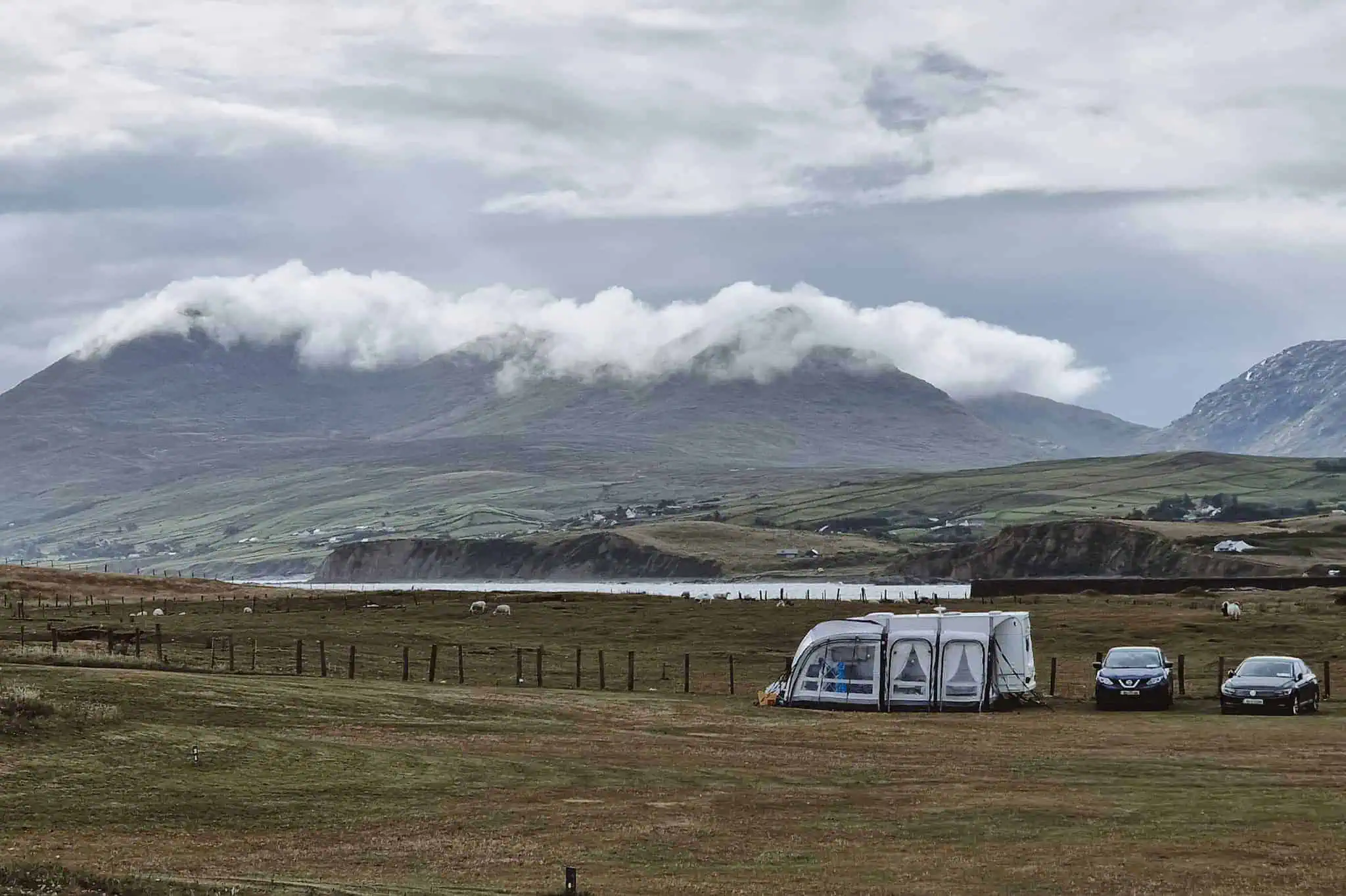
On paper, July is often considered the best month to visit Ireland, as it typically boasts the highest average temperatures. However, in practice, May consistently delivers the most pleasant weather year after year.
Having lived in Ireland for over a decade, I can confidently say that I’ve experienced about 3 good summers… While July & August may bring warmer temperatures, it’s often marked by unpredictable weather, with rain and clouds frequently overshadowing sunshine.
Unlike the steady, reliable warmth of continental Europe, Irish summers can feel erratic and less predictable.
May, on the other hand, stands out as one of the sunniest months. Though temperatures might not be at their peak yet, when the sun shines in Ireland, it can get very hot despite what the thermometer says.
The combination of longer daylight hours and consistent sunshine is perfect for outdoor activities, hiking around Ireland and exploring the stunning Irish landscape.

How can you check the weather forecast?
I use yr.no and the app Windy wherever I travel in the world, and Ireland isn’t an exception.
Another excellent resource is Met Éireann, Ireland’s national meteorological service. Met Éireann provides up-to-date weather information, including radar images, and weather warnings specific to Ireland.
What to Pack for a Rainy Day in Ireland?

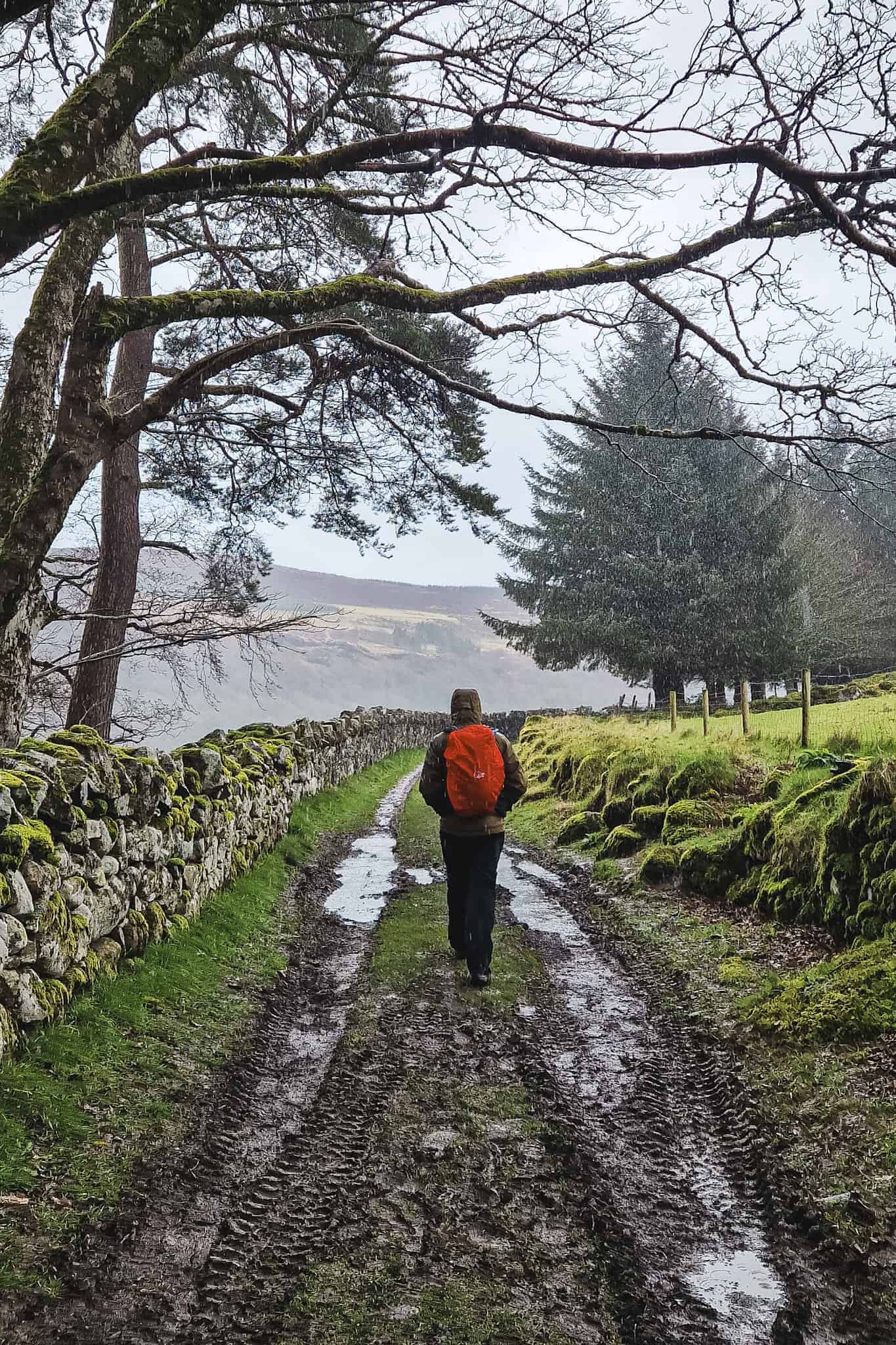
Proper preparation is key to enjoying Ireland, no matter the weather. When packing for a trip to Ireland, it’s essential to bring layers and waterproof gear. A good waterproof jacket is a must, as well as waterproof or fast-drying trousers, if you plan on hiking or spending a lot of time outdoors.
Avoid bringing an umbrella; the strong winds that often accompany rain in Ireland can easily turn an umbrella inside out.
Footwear is also important. Opt for waterproof shoes or boots, especially if you plan on walking in the countryside or visiting coastal areas. While sneakers might suffice for city exploring, they may not keep your feet dry in heavier rain or on muddy paths.
💡Be prepared with layers. Even on a sunny day, bring a jacket, a rain jacket, hat & gloves (if you plan on hiking) and some extra warm tops like fleeces.
Finally, don’t forget to pack sunscreen. Ireland’s sun is really strong and sunburns are no joke here! As a gal who grew up 5 5-minute walk from the Mediterranean Sea, I can tell you I have been burnt more times in Ireland than in the South of France. Always bring suncream and use a moisturizer with SPF, whatever time of the year.
How to Enjoy Ireland in the Rain?

Rain doesn’t have to dampen your experience of Ireland. In fact, it can add a unique charm to your trip. Many iconic Irish landscapes, from mist-covered mountains to verdant valleys, take on an ethereal beauty in the rain.
If the rain becomes too heavy, Ireland offers plenty of indoor activities. Explore historic castles, enjoy the lively atmosphere of a traditional pub, or visit one of the many excellent museums and galleries.
And don’t forget the joy of sitting by a warm fire with a cup of tea or a pint of the black stuff, listening to the rain patter against the window. An experience that feels quintessentially Irish.
Does it snow in Ireland?
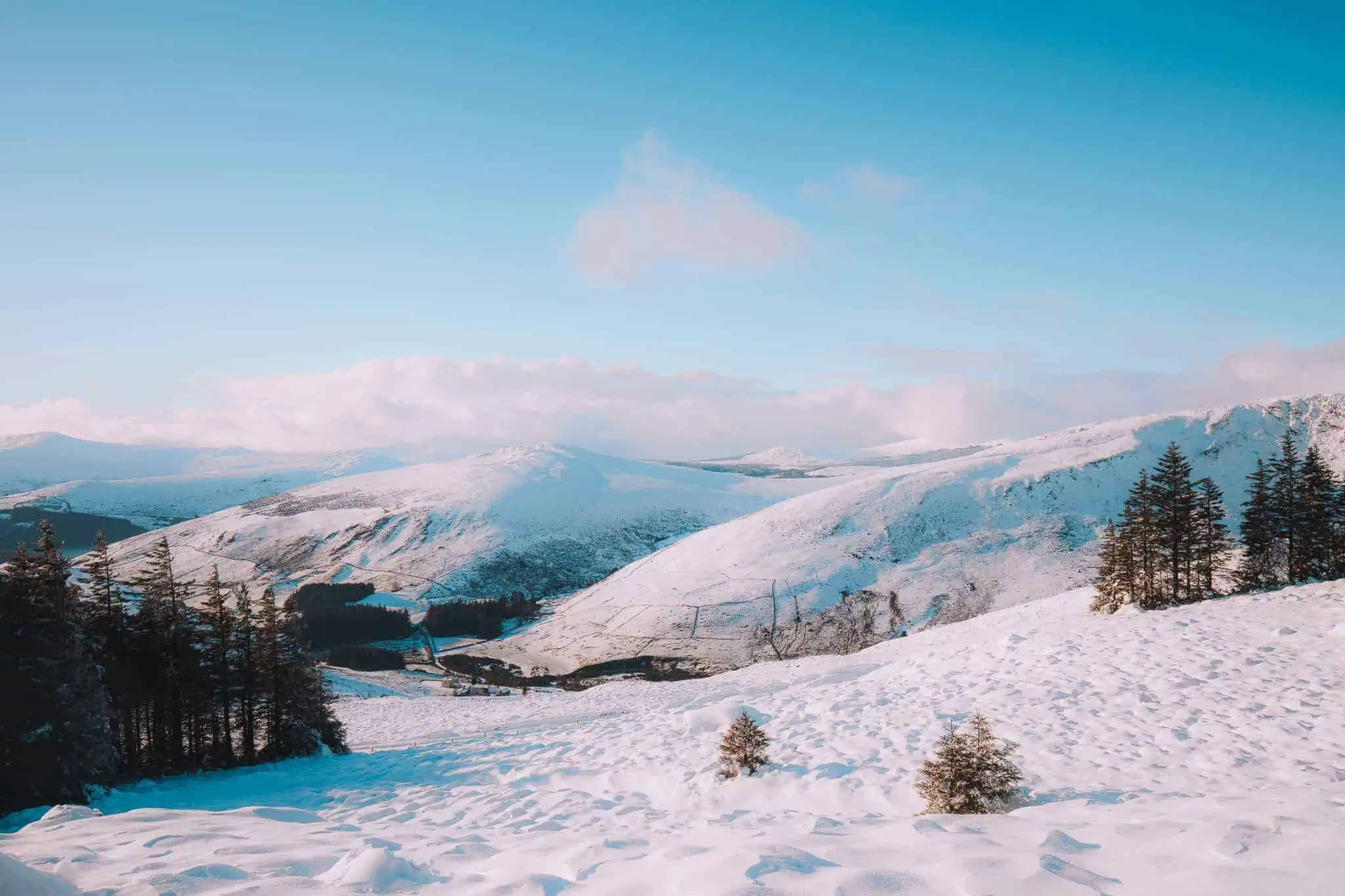
Yes, it does snow in Ireland, but not very often, and usually not in large amounts. Due to its maritime climate, Ireland experiences relatively mild winters, which means snowfall is infrequent and often light.
When it does snow, it’s more common in higher elevations, such as the Wicklow Mountains, and in the northern and western parts of the country. However, significant snowfalls can occasionally occur during particularly cold winters.
Snow in Ireland typically occurs between December and February, with January being the most common month for snowfall. However, the snow rarely accumulates in large quantities in most parts of the country, especially in lowland areas.
This being said, in the last 5 years, the several instances we ended up with Snow in Ireland was March! Below is a video I took on March 1st 2024, when Dublin found itself under 5 cm of snow, while spring had already shown up and all the daffodils were in full bloom.

Snow is often unexpected in higher altitudes which can be dangerous for drivers who aren’t prepared. I was once on my way to a hike in the Wicklow mountain and ended up trapped for 1 hour on the side of the road waiting for the snowfall to stop as it was way too dangerous to drive (the car was sliding).
The Silver Lining: Rainbows and Lush Landscapes
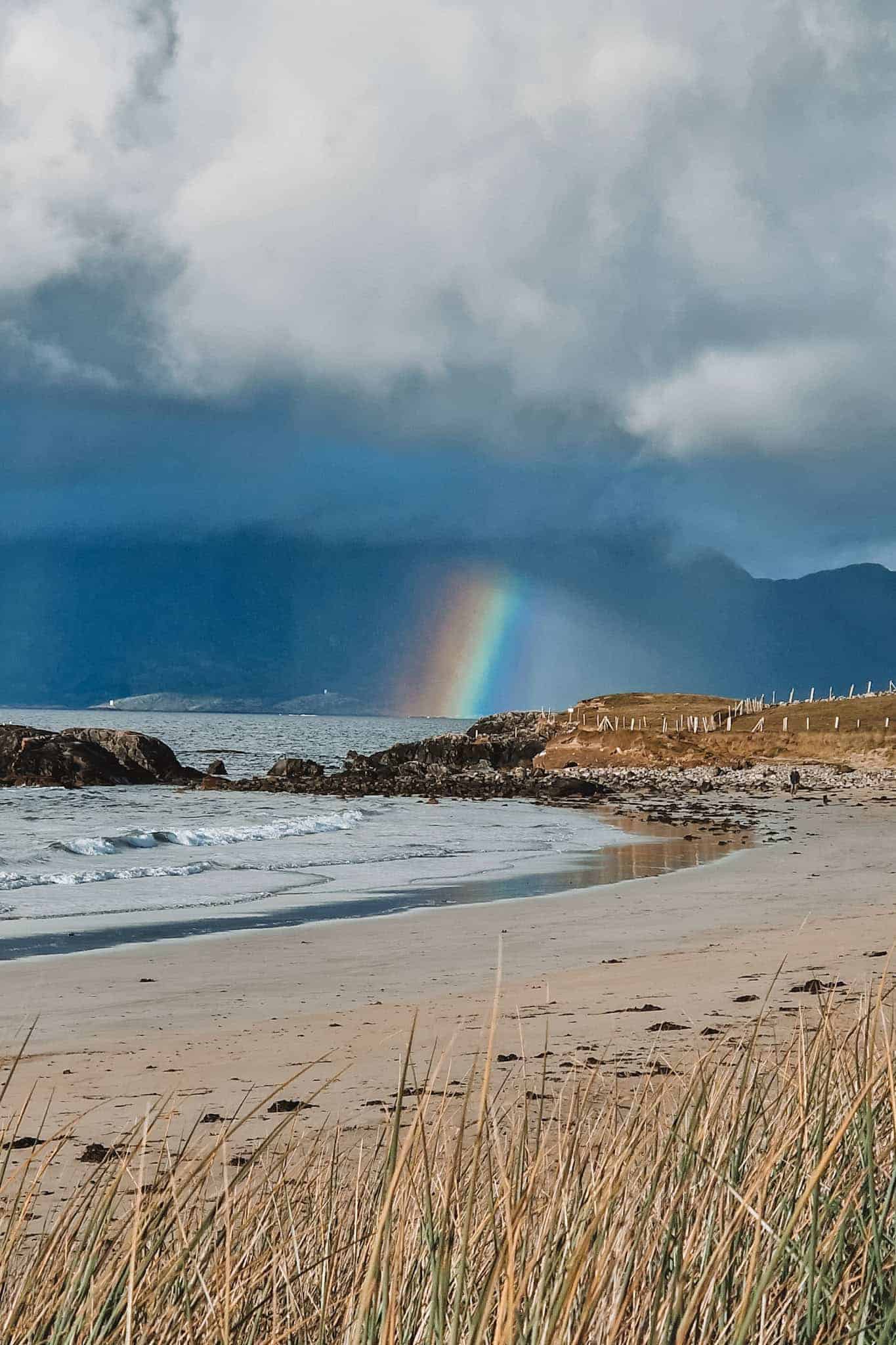
One of the benefits of Ireland’s frequent rain is the abundance of rainbows. The combination of sunshine and showers creates the perfect conditions for rainbows, and it’s not uncommon to see them stretching across the sky, adding a magical touch to the Irish landscape.
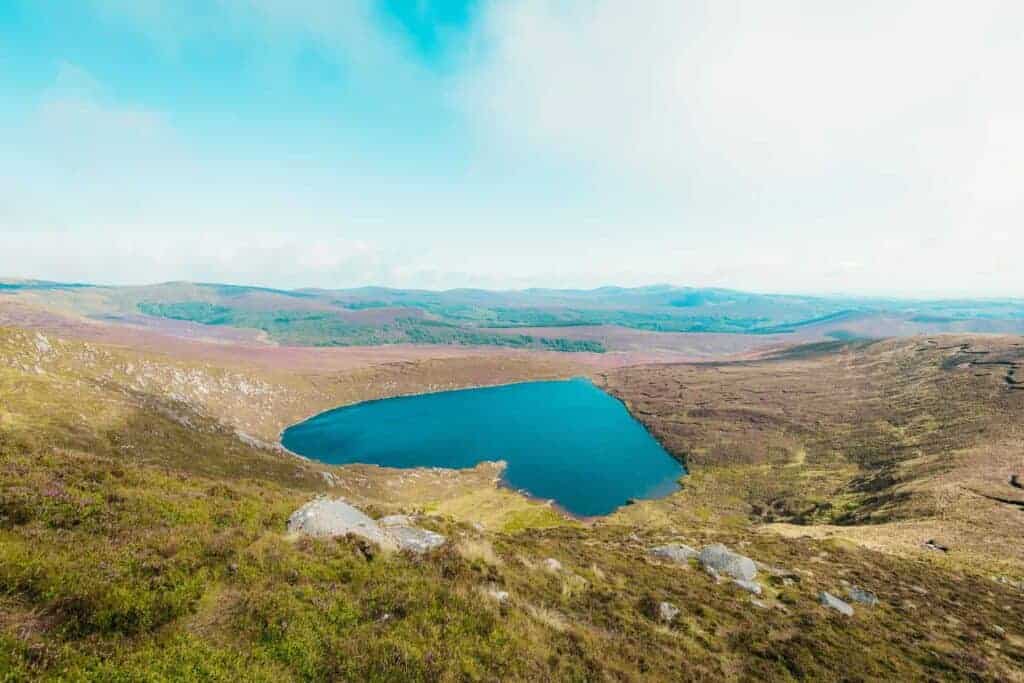
Additionally, it’s the rain that keeps Ireland’s landscapes so green and vibrant. So, while it might be an inconvenience at times, it’s also the reason Ireland is so breathtakingly beautiful!
Be spontaneous and flexible!
If rain really dampens your spirits, there’s one crucial piece of advice I have: don’t waste a single moment when the sun is shining. If like me, you come from a place with reliably warm and sunny days, it can be a big adjustment to travel or live in Ireland.
Back home, you might see the sun shining and think, “I’ll go out in a couple of hours”, expecting the good weather to stick around. In Ireland, that just doesn’t work…
I’ve learned this the hard way: when the sun is out, you’ve got to be out too. You never know how long it will last, and in a country where the weather can turn on a dime, waiting around could mean missing out.
This spontaneous, seize-the-moment attitude has become essential to enjoying life in Ireland, and it’s one of the things that has helped me adapt to the climate here.

Final Thoughts on Irish Rain
Does it rain in Ireland all the time? Not exactly, but it rains often enough that visitors should be prepared. The rain is an integral part of what makes Ireland so special, shaping its lush, green landscapes and iconic beauty.
With the right preparation and mindset, you can embrace Ireland’s variable weather and enjoy its wonders, rain or shine. So, don’t let the weather dictate your plans. Pack a reliable raincoat and follow our Ultimate Ireland Packing List for everything you’ll need.
For the best time to plan your trip and make the most of the weather, check out our guide on the Best Time to Visit Ireland.
After all, without the rain, there would be no rainbows, and Ireland’s landscapes wouldn’t be nearly as green and we wouldn’t call it the Emerald Isle.

ARE YOU ON PINTEREST?
What about saving this post to your Pinterest board?
Click on the photo to save this blog post for later. Follow Travel Ireland Today’s boards to see our latest pins.

I help you explore Ireland like a local with insider tips, detailed itineraries, and practical advice.
HEY THERE! I’M JEN…
Funder, Author & Photographer behind travelirelandtoday.com
Ireland has been my home for the last 12 years. Before settling here, I spent years backpacking around the globe, visiting 65+ countries. Along the way, I discovered my love for hiking, photography, and crafting budget-friendly itineraries.
Through this website, I share the best things to do and see in Ireland, detailed hiking guides, and practical tips to help you plan your perfect Irish adventure. Let’s make your trip unforgettable!