
Classic 7-Day Ireland Itinerary: Road Trip + Map!
This website uses affiliate links which may earn a small commission at no extra cost to you. Thank you for your support.
This detailed 7-Day Ireland Itinerary is packed with day-by-day instructions, stunning photos, and practical tips to guide you through some of Ireland’s most popular and breathtaking places. Follow this classic one-week Ireland road trip for an unforgettable journey you’ll remember for a lifetime!
When I first moved to Ireland, friends and family often visited, eager to explore the country. I always planned road trips to show them Ireland’s most iconic sights. My classic 7-day road trip from Dublin to the West Coast was always a favourite for first-time visitors!
If I learned something during my years of backpacking, is to be flexible and not rush. Take that extra hour in a small village for a bite to eat or follow a scenic detour to enjoy the view. That’s exactly how I built this itinerary. You’ll see Ireland’s highlights without feeling exhausted or rushed, unlike many guided tours that only allow a quick photo stop before moving on.
Over the years, I’ve refined this itinerary to balance must-see landmarks, and time to relax and soak in the atmosphere.
This itinerary has been tried, tested, and loved, designed to give you the best experience of Ireland without feeling like you’re constantly on the go. I hope it gives you all the insights and inspiration you need to prepare for your trip and turn your road trip into an exciting and memorable adventure.
Let’s dive into this Classic 7-Day Ireland Itinerary!
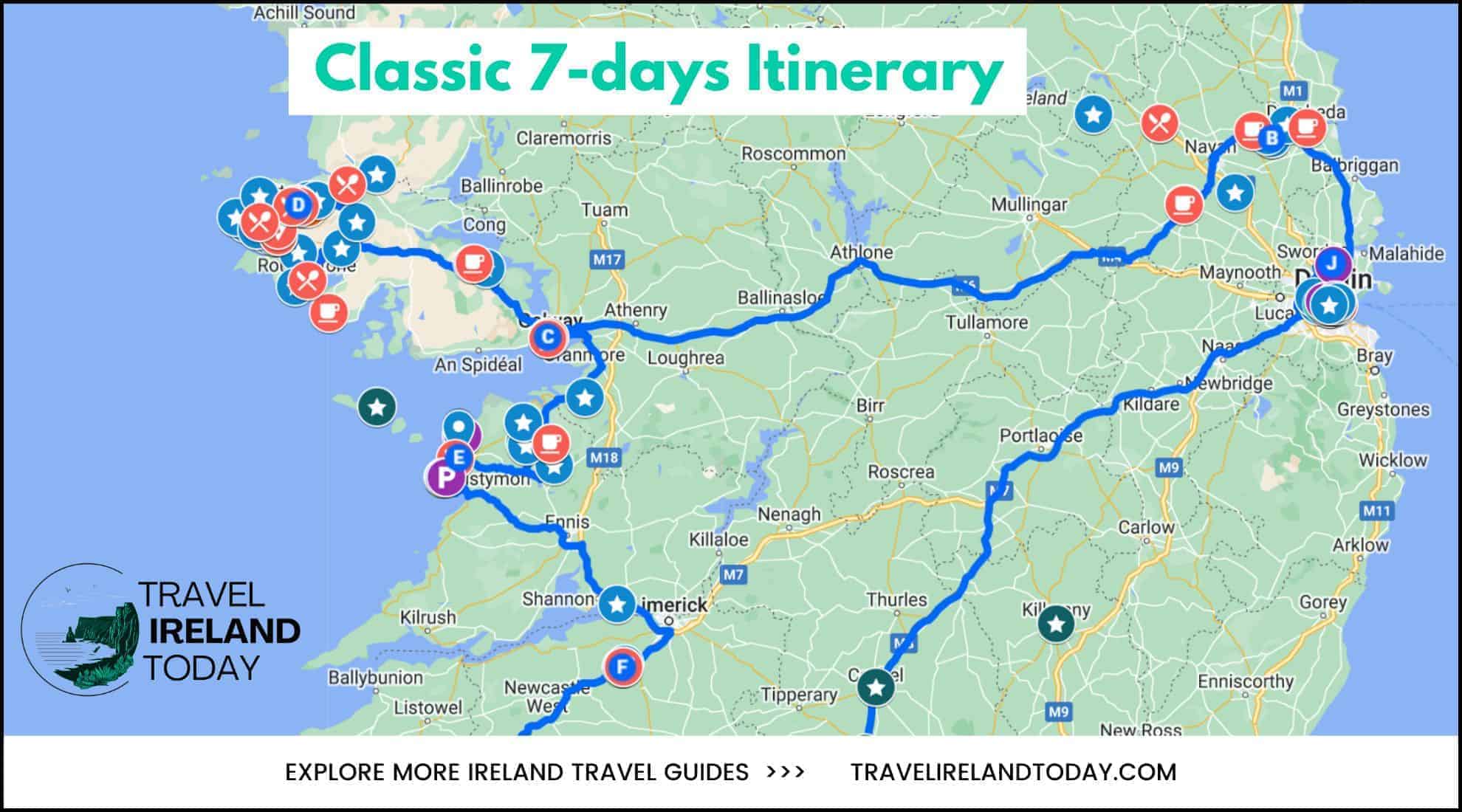
Classic 7-Day Ireland Itinerary Overview
Day 1: Arrive in Dublin
Day 2: Newgrange & Boyne Valley → Galway
Day 3: Connemara & Galway
Day 4: Cliffs of Moher & The Burren
Day 5: Dingle Peninsula & Killarney
Day 6: Ring of Kerry Scenic Drive
Day 7: Rock of Cashel or Kilkenny → Dublin
A note about this itinerary
This itinerary is designed to showcase the most popular places in Ireland in a short period of time. While it covers many iconic sites, it’s thoughtfully balanced to give you breathing room and shouldn’t make you feel like you’re constantly on the move… but you are going on a road trip, so yes, there is some driving and a change of scenery every day!
However, you’ll have time to wander through cobbled streets, enjoy a quiet pint in a cosy pub, and take in the landscape without feeling rushed. I know too well that Ireland is a country best enjoyed at a relaxed pace, where spontaneous pub visits, leisurely walks, and soaking in the atmosphere are just as important as seeing the famous landmarks.
I’ve also carefully considered the driving times, not just what Google Maps suggests, but the reality of navigating Ireland’s winding regional roads.
Surely, the motorway will get you around quickly, but many of Ireland’s landmarks are remote. And no, you can’t squeeze in Newgrange, Belfast, and Galway in a single day, despite what online maps and other blogs might tell you…
The itinerary below respects that reality, giving you enough time to enjoy each destination without spending all day in the car.
Access our 7-day Ireland Itinerary Map
Click on the map and enter your email to access the interactive Google Maps version of our Classic 7-day Ireland Itinerary. It includes more than 100 pinned locations, and I regularly update it with more places to see, restaurants and cafes.
Day 1: Arrive in Dublin
Begin your Irish adventure by exploring Dublin. From ancient libraries to lively pubs, Dublin offers a perfect mix of heritage and vibrant energy to kick off your trip. I wouldn’t spend too long in the city if you are in Ireland for a week and want to see the countryside.
Did You Know? Dublin has more pubs per capita than any other European city, with over 750 pubs! The city’s oldest pub, The Brazen Head, dates back to 1198 and still serves up live music and hearty Irish fare today.
Driving Time: You are not required to drive today (unless you pick up a rental car from the airport).

Most travellers start their Irish journey in Dublin, but this itinerary can easily be adapted if you’re flying into Cork or Shannon. Though, I would probably skip Newgrange and Dublin, if you land elsewhere so you can focus on the west and south coast of the country and avoid long drives to visit Dublin.
- If arriving in Cork: Consider visiting Blarney Castle, Cobh, and Kinsale instead.
- If arriving in Shannon: add a day trip to the Aran Islands.
Renting a car
If you plan to rent a car, weigh the pros and cons of picking it up at the airport on Day 1. You won’t need a car in Dublin on your first day, and many hotels don’t offer parking, so you might want to check what’s best for you in terms of budget and time.
- Option 1: pick up the car as you arrive and find on-street parking or a 24-hour car park near your hotel. You may pay an extra rental day, but on Day 2 you can leave as early as you wish.
- Option 2: Take a bus or Taxi to Dublin first then collect your rental car on the morning of Day 2. Airport rental offices open earlier than city centre locations, but you will need to travel back to the airport (though it is on the way to the Boyne Valley, so that’s not a detour).
- Option 3: Start your road trip immediately by driving to the Boyne Valley (ideal for early morning arrivals without too much jetlag) and leave your exploration of Dublin for your last day.

BEST IRELAND CAR RENTAL COMPANY DISCOVER CARS
When booking a rental car in Ireland online, I use Discover Cars because they offer Full coverage for less than €7. It is the best rental car comparator out there!
Trinity College & The Book of Kells
Start your day at Trinity College, Ireland’s oldest university, founded in 1592. This is one of the must-do places for a first-timer in Dublin.
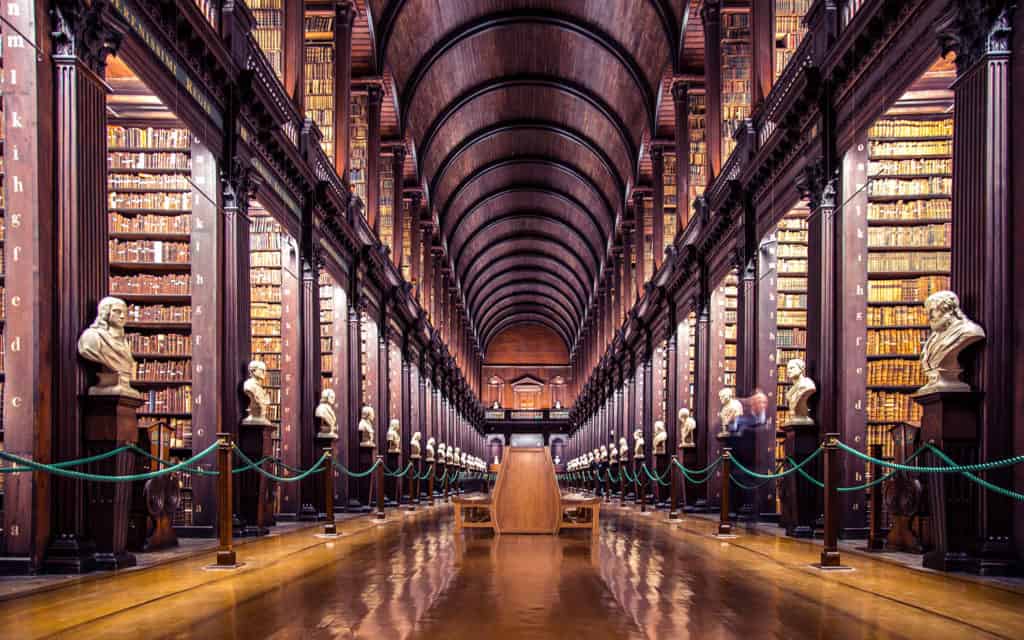
The highlight here is the Book of Kells, a stunning 9th-century illuminated manuscript. The entrance to the Book of Kells includes the famous Long Room Library.
Heads-up: the library books are currently undergoing restoration and digitalisation, which means most of the ancient books have been temporarily removed (there are only four rows left). That said, the grandeur of the space remains impressive, and the exhibit offers plenty to admire.
Tickets: Book your tickets online in advance to skip the often long queues, especially during peak tourist seasons. Arriving early in the morning helps you avoid crowds and gives you time to take it all in. You can also take this guided tour, including the Book of Kells fast-track and Dublin Castle.
Local Photographer tips: If you are after the Long Room Library photo without the crowd, book the first time available in the morning. Upon entering, skip the Book of Kells exhibition and make your way up to the library. Everyone else stops at the exhibition first, so you will have the Long Room for yourself for a good 5 minutes. Once you are done, go back to the exhibitions!
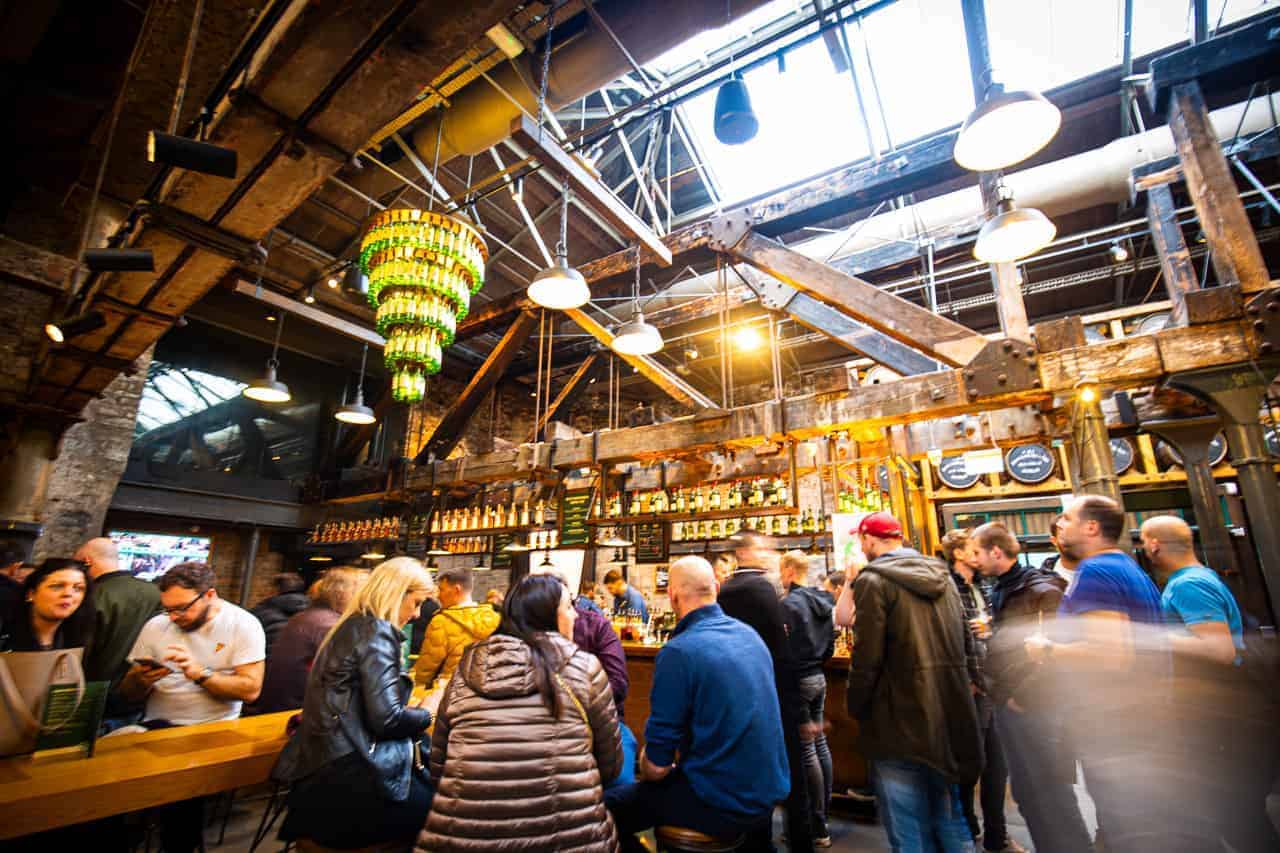
Guinness Storehouse or a Whiskey Distillery Tour
Dublin is a city deeply rooted in its brewing and distilling traditions, offering visitors a chance to experience Ireland’s most iconic drinks firsthand. While the Guinness Storehouse is a popular stop for many, Dublin’s whiskey distilleries provide an engaging alternative for those looking to learn more or taste some of the best Irish spirits.
Guinness Storehouse
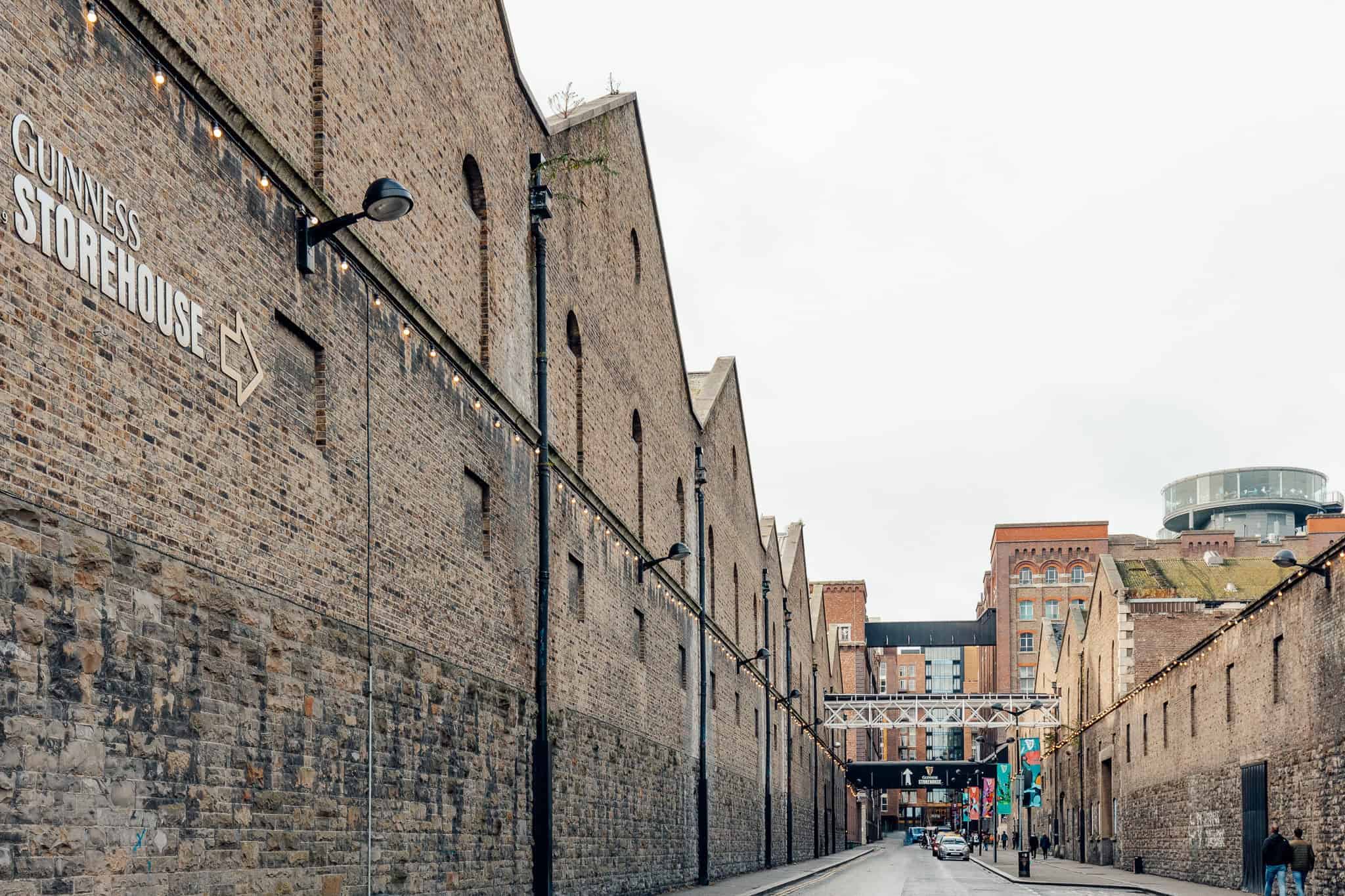
Housed in a massive seven-story building, this interactive museum explores Guinness’s 250-year history. From learning about the brewing process to understanding the iconic branding, the experience is as immersive as it is educational.
At the end of the visit, you’’ arrive at the Gravity Bar, where you can enjoy a perfectly poured pint of Guinness while taking in 360-degree views of Dublin’s skyline.
Tickets: The Storehouse is one of Dublin’s most popular attractions, so it is highly recommended that you book tickets online in advance.
Whiskey Distillery Tours
If whiskey is more your style, or if you’re looking to try something different, Dublin has become a hub for Ireland’s whiskey revival. Over the past decade, the city has seen a surge in independent distilleries, blending traditional techniques with modern innovations. Here are three top distilleries to explore:
- Teeling Whiskey Distillery: Located in the Liberties, Teeling offers guided tours that showcase the full whiskey-making process and tastings of its award-winning small-batch whiskeys.
- Jameson Distillery Bow St.: Discover the story of Ireland’s most famous whiskey through interactive tours, tastings, and cocktail-making classes.
- Pearse Lyons Distillery: Set inside a restored 18th-century church, this family-run distillery combines history with premium whiskey production. During the visit, you can also explore the historic graveyard on-site.
Foodie Walking Tour
For those looking to skip the Guinness Storehouse or Jameson Distillery and prefer an alcohol-free experience, I can suggest taking a Foodie Walking Tour!
Ireland has a huge food culture. Not that there are many Irish specialities, but we have such a wide spectrum of incredible local businesses that serve high-quality food from all over the world. Here are some of my food recommendations! All of these were added to the Map here.
- Bakeries: There are great bakeries in Dublin serving delicious treats. Depending on where you are, these are my favourites: Fables, Bread41, Elliot, Camerino Bakery, The Morning.
- Pizza slice: try either Di Fontain, Bambino or Doom Slice!
- Brunch: There are many places to have a nice brunch in Dublin: Brother Hubbard, Vada, the Ivy, Urbanity, Alma, Metro Café.
- Ice cream: Visit Murphy’s Ice Cream for unique Irish flavours like sea salt or brown bread. If you prefer Gelato or a warm Crepe/waffle, try Gino’s!
- Cake or Sweat treat: Bakeology Treats in the Liberty Area for the best Argentinian alfajores in town. Lisboa Pastelaria for Pastei de Nata.
- Coffee Break: Relax with a speciality brew at 3fe Coffee or Vice – Or grab a Hot Chocolate from Butler’s Chocolate.
- Vegetarian: Try Cornucopia, Govinda, Glas, Umi Falafel.
Grafton Street & St. Stephen’s Green
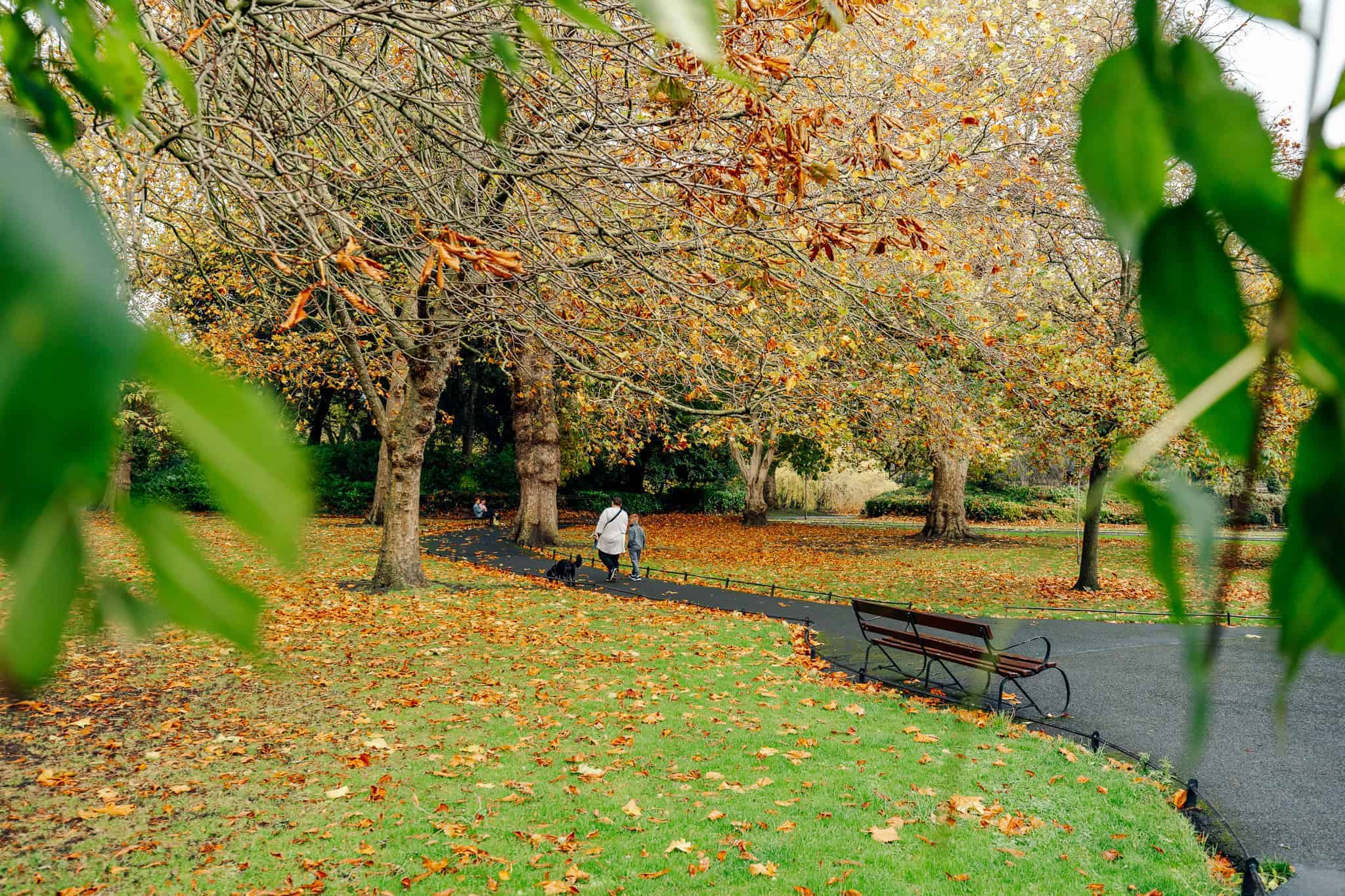
After satisfying your taste buds, it’s time for a stroll down Grafton Street, Dublin’s bustling shopping hub. This pedestrian-friendly street is alive with buskers performing traditional Irish tunes, locals darting between shops, and visitors soaking up the atmosphere.
At the top of Grafton Street, take a stroll in St. Stephen’s Green, a lush Victorian park. The contrast between the lively streets and this peaceful retreat is striking and ideal for a nice break on a bench.
Dublin’s historic landmarks
As you walk around Dublin, make sure to cross the iconic Ha’penny Bridge, Dublin’s oldest pedestrian bridge. Wander towards Dublin Castle, once the seat of British rule in Ireland, now a site of grandeur and political significance.
Not far from the castle stands St. Patrick’s Cathedral, a masterpiece of Gothic architecture dating back to 1191. Step inside to admire its soaring arches and intricate stained glass. If the weather allows, the surrounding park is a great spot to relax and reflect on the cathedral’s long history.
For more walk ideas around town, check out our article about the best walks in Dublin City Centre, which is filled with itinerary ideas for gentle strolls.
Temple Bar
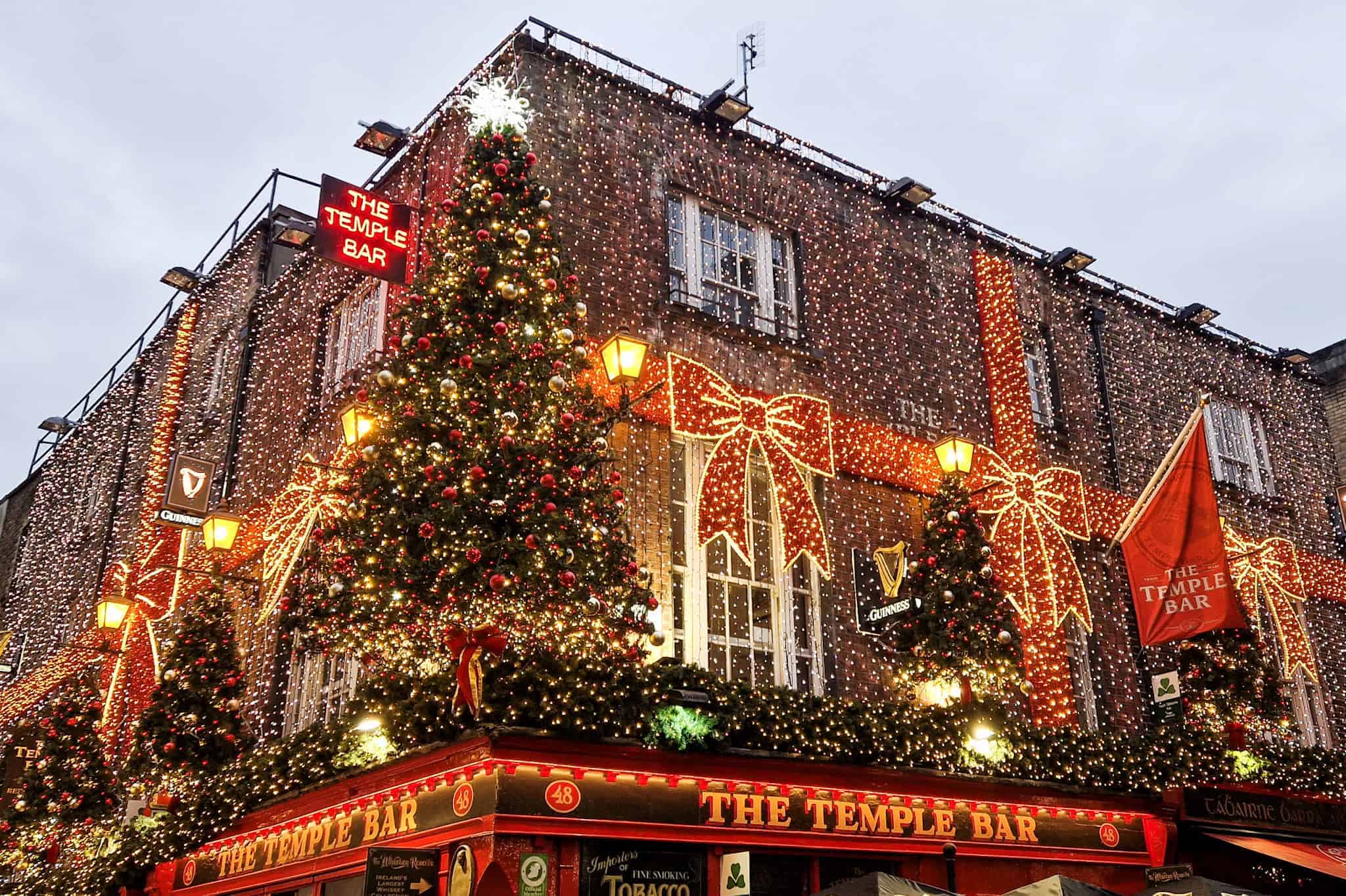
No first-time visit to Dublin is complete without passing through the cobbled streets of Temple Bar. Known for its lively pubs, music, and vibrant atmosphere, this area is buzzing at any hour.
However, if you’re after a good pint without paying €9 for it, I’d recommend venturing a bit farther. Dublin has plenty of traditional pubs that offer a more authentic and affordable experience, such as The Long Hall, The Stag’s Head, Grogan’s, and The Hairy Lemon.
Indoor Alternatives for Rainy Days
Dublin is no stranger to rain, and that doesn’t mean your plans need to be washed away. If you are visiting on one of those days, escape inside! There are plenty of indoor activities you can do in Dublin if the weather isn’t playing nice.
National Gallery of Ireland: This beautiful gallery houses an impressive collection of Irish and European art, featuring works by masters like Caravaggio, Jack B. Yeats, and Vermeer. Admission is free, and the onsite café is perfect for a relaxed coffee break.
Chester Beatty Library: Tucked away within the grounds of Dublin Castle, its collection of rare manuscripts, ancient texts, and exquisite artworks from Asia, the Middle East, and Europe offers a peaceful and fascinating escape from the rain.
EPIC The Irish Emigration Museum: Named Europe’s leading tourist attraction multiple times, EPIC is a fully interactive museum that tells the compelling stories of the Irish diaspora. Through immersive exhibits and interactive displays, it highlights how Irish people have shaped the world. Plan to spend about 1.5–2 hours here.
Marsh’s Library: Step back into the 18th century at Marsh’s Library, one of the oldest public libraries in Ireland. This beautifully preserved library feels like something out of a Harry Potter film, with ancient oak bookshelves and rare books locked behind iron gates. You can even see bullet holes in the bookshelves from the 1916 Easter Rising!
Looking for more ideas? Our guide to the Best Indoor Activities in Dublin has you covered with museums, galleries, and cosy spots to explore.
Getting around Dublin
Dublin is a compact and walkable city, with most major attractions within easy reach of each other.
If you need to use public transport, be aware that buses only accept exact cash fares. To avoid this hassle, it’s worth getting a Leap Card, especially if you plan to return to Dublin in the future. With a Leap Card, you’ll save up to 30% on standard fares, and you can even pay for two people with one card; just let the bus driver know. The Leap card is accepted on the Dublin bus, the tram and the DART.
You can buy a Leap Card at most corner shops like Centra or Luas tram stations. The card costs €5, and you can top it up at the counter or through the Leap Top-Up app on your phone.
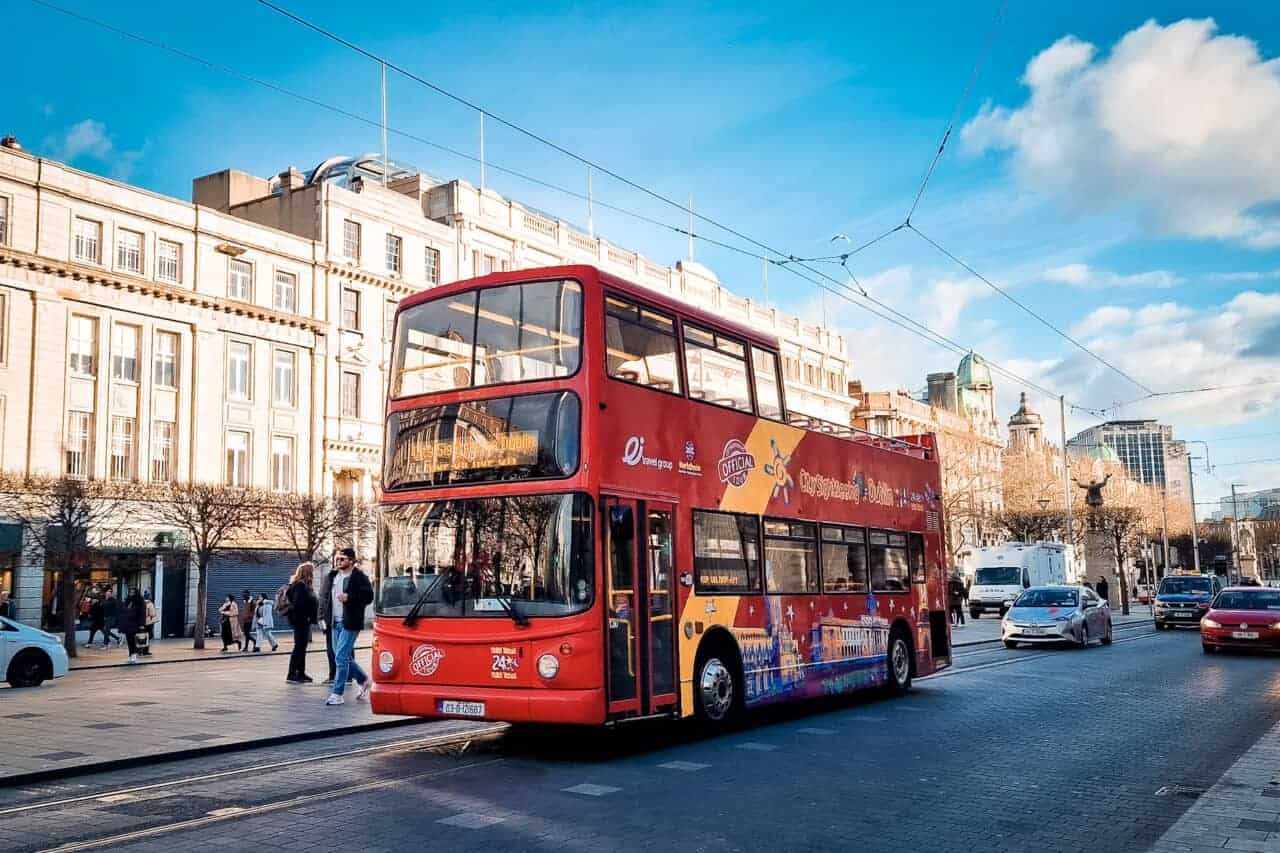
For sightseeing, the Hop-On Hop-Off or Big Bus Tours are excellent ways to explore the city’s main landmarks without the hassle of navigating public transport. They’re perfect for covering more ground in a short amount of time.
If you’re planning to visit multiple paid attractions, consider purchasing a Go City Dublin Pass. It offers great value and can save you money on entrance fees to top sights across the city.
Where to Stay in Dublin
Dublin offers a wide range of accommodations to suit every budget.
- Budget-Friendly: Check out our guide to Budget-Friendly Hotels in Dublin.
- Luxury Stays: Discover top-rated options in our Luxury Hotels in Dublin.
Neighbourhood Tips:
- Temple Bar: Great for nightlife but can be very noisy.
- St. Stephen’s Green/Grafton Street: Central and ideal for sightseeing, but quite pricey.
- Docklands: Modern area with riverside hotels and quieter evenings. Though a bit far from the main city life.
Find the perfect area to stay with our guide to the Best Neighbourhoods in Dublin.
Hotel recommendations:
- Budget-Friendly: Generator – Trendy and social hostel next to the Jameson Distillery.
- Mid-Range: The Morgan Hotel – Stylish boutique hotel near the Latin Quarter.
- Luxury: The Westbury Hotel – A luxurious 5-star hotel just off Grafton Street.
Dinner Options
End your first day in Dublin with a hearty meal and perhaps a pint of Guinness or a Whiskey in a cosy pub. For food, I would suggest the below restaurants. These are not the usual touristy, but my personal favourite (as a local).
- The Bank: Irish restaurant
- Bunsen: Best Burger in Town
- Six by Nico: Elevated mid-budget 6 course-menu
- The Blind Pig: Speakeasy serving Italian food and delicious Cocktails!
- J2 Sushi, Takara or Eat Tokyo for Asian food

Day 2: Dublin → Boyne Valley → Galway
On day 2, it’s time to start the road trip! You’ll drive deep into Ireland’s ancient past as you explore the sacred sites of the Boyne Valley. This area north of Dublin is a historically rich region in Ireland, known for its ancient passage tombs, medieval castles, and significant archaeological sites that tell the story of Ireland’s earliest civilizations.
By the end of the day, you’ll make your way to Galway on the west coast.
Driving Time & Distance:
- Dublin to Brú na Bóinne: 1 hour (55 km)
- Boyne Valley to Galway: 3 hrs (200 km)
Brú na Bóinne
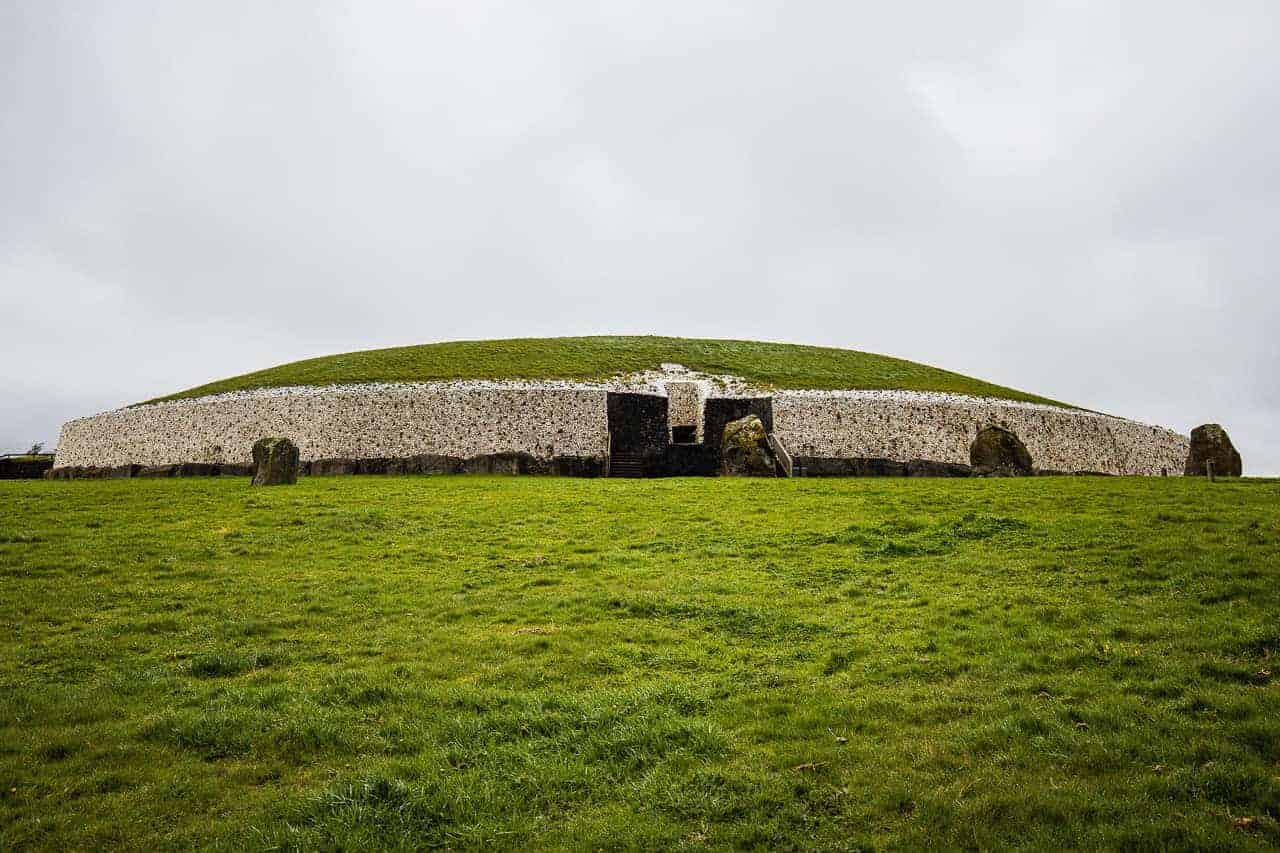
Start your day at Brú na Bóinne, one of Ireland’s most remarkable and ancient sites. This UNESCO World Heritage Site is home to the iconic passage tombs of Newgrange and Knowth, built over 5,000 years ago. These monuments are older than the pyramids of Egypt and Stonehenge!
Tickets: must be booked in advance through the Heritage Ireland website. You can choose from three packages:
- Newgrange-only tour (1.5 hours) – All-year-around
- Knowth-only tour (1h)– only from April to November
- Full tour Newgrage + Knowth (approx. 3 hours) – only from April to November
Book an early tour to beat the crowds as bus tours from Dublin generally arrive around 11 am.
For more details on how to plan your visit, check out our full guide on visiting Brú na Bóinne here.
Battle of the Boyne Visitor Centre
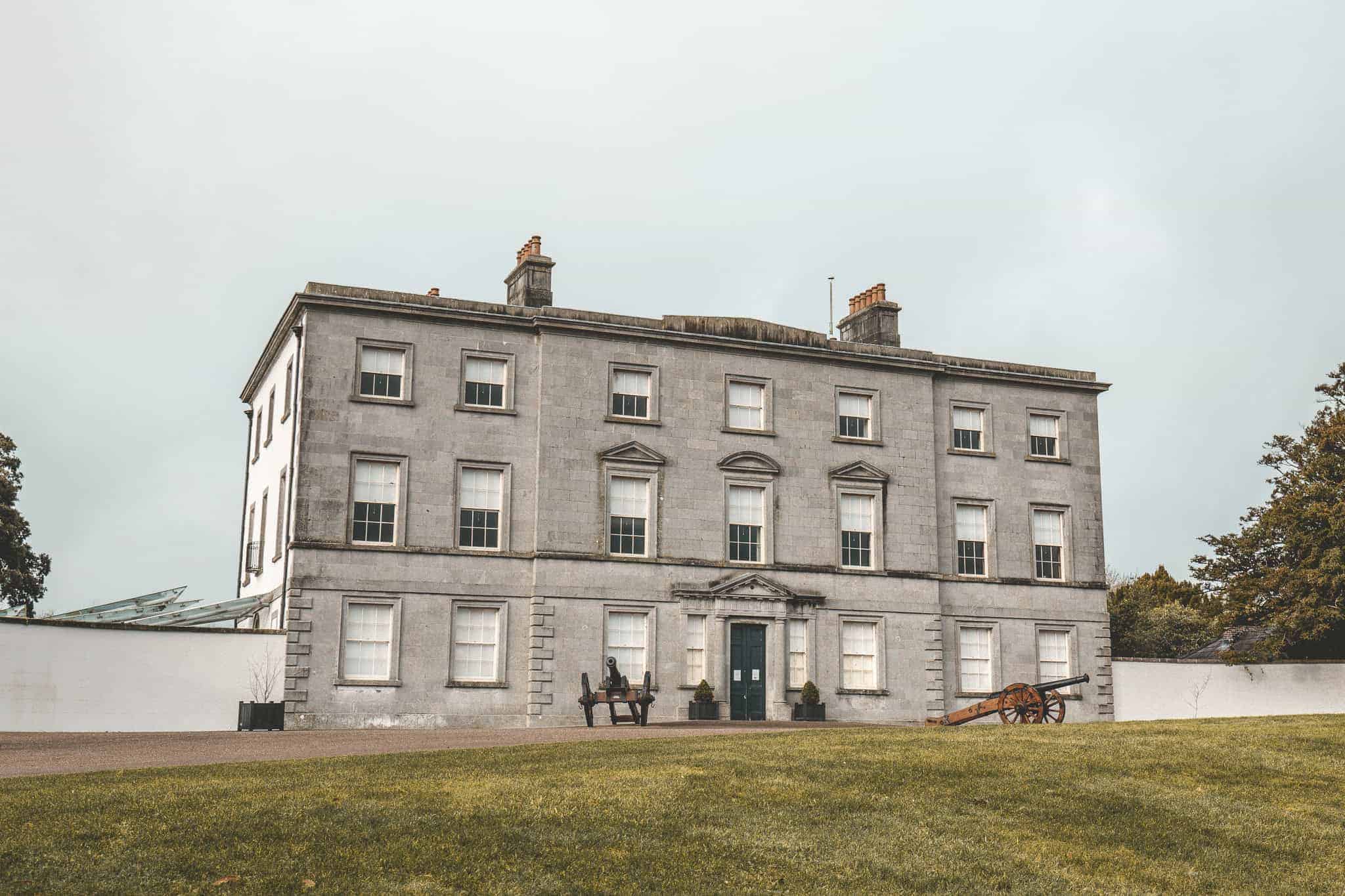
Continue your journey through Irish history with a stop at the Battle of the Boyne Visitor Centre. This site commemorates the decisive battle in 1690 between King James II and William of Orange, a conflict that forever altered Ireland’s political landscape.
You can enter the visitor centre, located at Oldbridge House, to access interactive exhibits, weapon displays, and audiovisual presentations that will depict what the battle was about.
Tip: After exploring the exhibits, make your way to the tearoom behind the stables which serves light snacks and refreshments. Alternatively, walk around the beautifully restored gardens before hitting the road again.
Hill of Tara
We are now heading west with a short drive to the legendary Hill of Tara, the ancient seat of Ireland’s High Kings. This sprawling archaeological site was once the political and spiritual heart of ancient Ireland, where kings were crowned and powerful rituals were performed.
From the top of the hill, you’ll be rewarded with sweeping views of the Meath countryside, once thought to be the centre of the ancient Irish world. Allocate at least 30 minutes for a leisurely walk and a stop at the visitor centre (located in the church inside the cemetery!) to watch a short video about the site.
Trim Castle
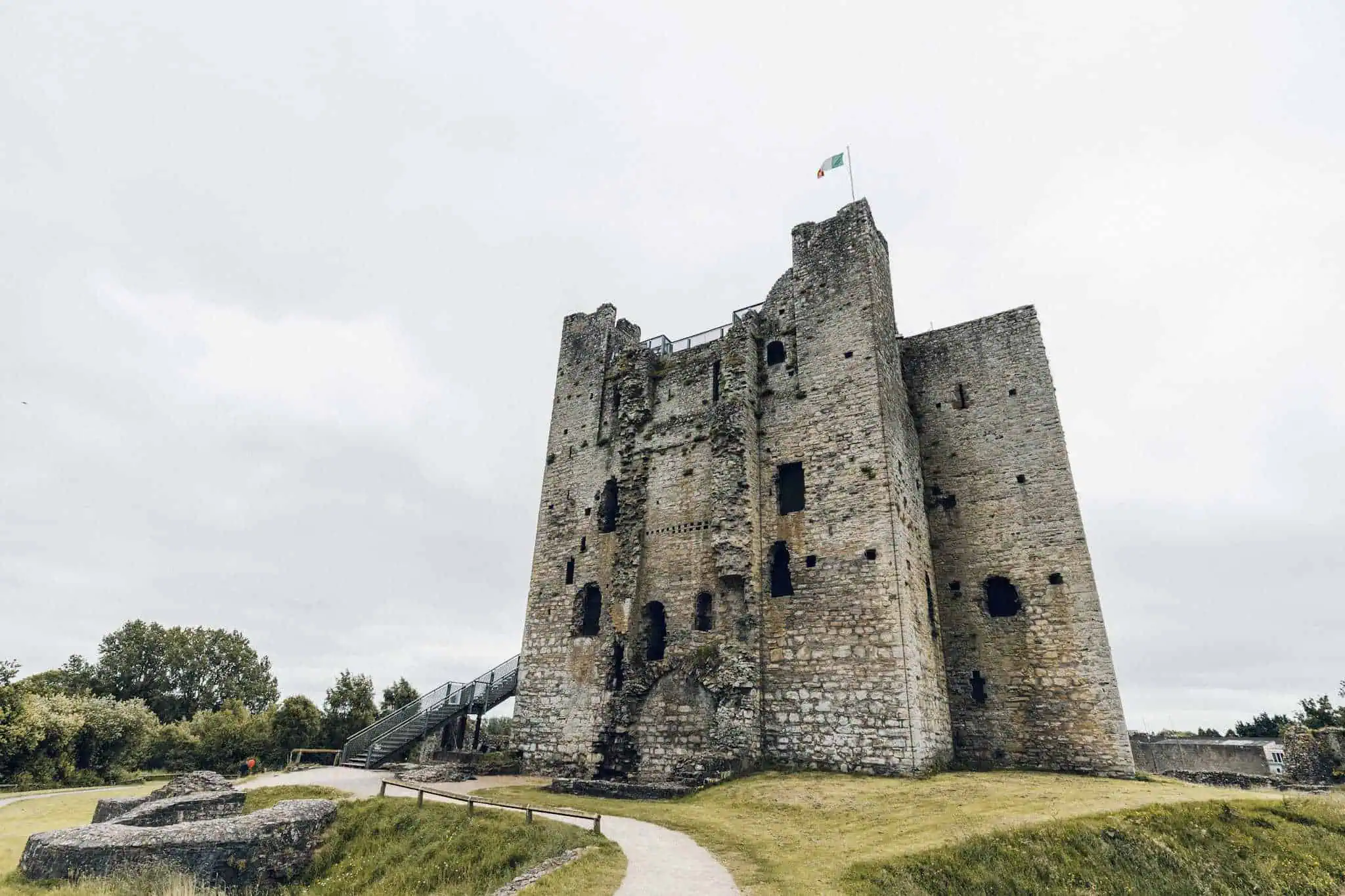
Trim Castle is the largest Anglo-Norman castle in Ireland and one of the most impressive medieval structures in the country. Built in the late 12th century by Hugh de Lacy, the castle served as a powerful stronghold during the Norman invasion of Ireland.
Its massive three-storey keep and sprawling curtain walls dominate the landscape along the River Boyne, offering visitors a glimpse into medieval military architecture. The castle’s strategic location made it a key defensive site and a symbol of Norman control.
Today, guided tours allow visitors to explore its towering walls, battlements, and hidden passageways. Trim Castle also gained international fame as a filming location for the movie Braveheart, making it a must-see destination for history lovers and film fans alike.
Optional Detour: High Cross of Kells & Loughcrew Cairns
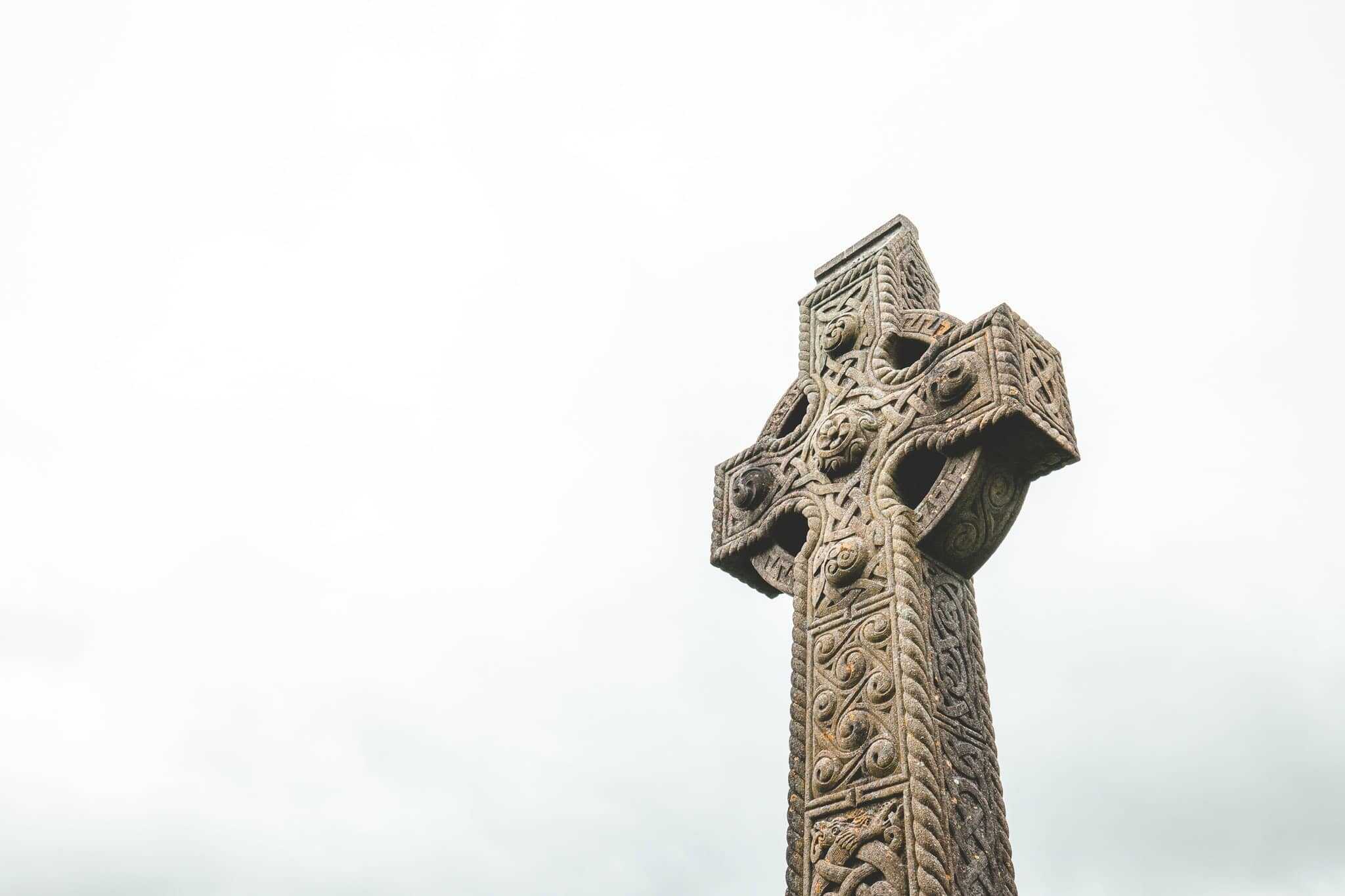
If time allows, consider a detour to the historic town of Kells to look for the intricately carved High Crosses of Kells, standing as remarkable examples of early Christian art and craftsmanship.
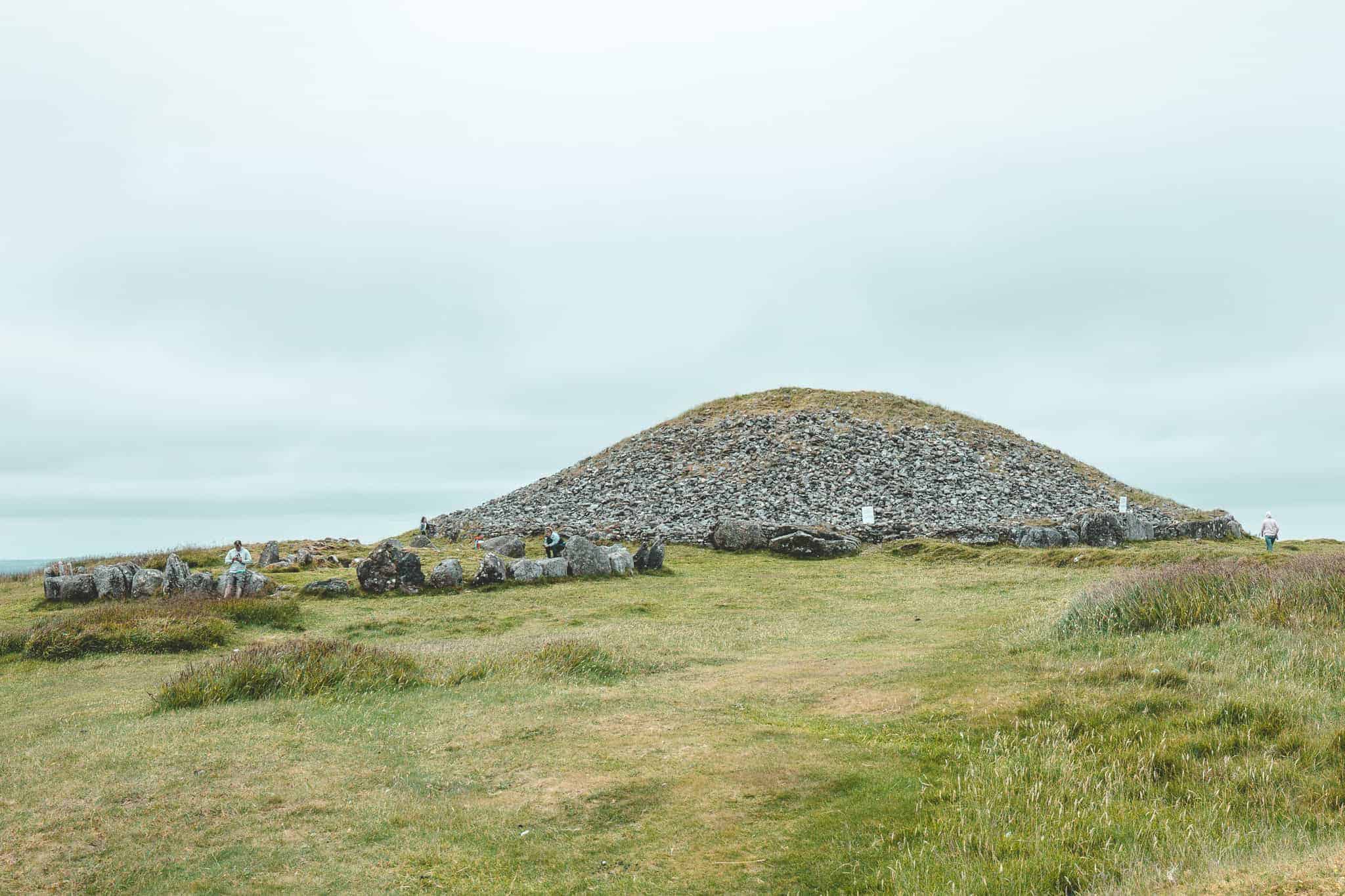
From Kells, venture further west to the Loughcrew Cairns, a series of Neolithic passage tombs scattered across a series of hills. Less visited than Newgrange, Loughcrew offers a quieter, more intimate experience.
Climbing the hill to Cairn T is quite steep so it is not accessible to everyone. If you make it to the top, you will meet with the OPW guides who can give you a tour of the site and will be rewarded with stunning panoramic views of the surrounding countryside.
Tip: Wear good shoes, as the path to the cairns is short, slippery and quite steep.
This detour will add about 1.5 hours to your journey from the Boyne Valley to Galway, but you’ll get to see some of Ancient Ireland’s lesser-visited places.
For more ideas on what to see for a day in the Boyne Valley, check out our Boyne Valley itinerary article.
Evening in Galway
The drive to Galway should take around 2.5 to 3 hours, mostly on the N52 and the M6.
Arriving in Galway in the late afternoon or early evening, check-in at your hotel, chill if you need to or go explore the city. Galway gets very busy and joyful at night, especially on weekends, with street performances, and lively pubs.
- Dinner Recommendation: Try local seafood at Ard Bia at Nimmos or grab casual bites at The Quay Street Kitchen.
- Evening Tip: Walk around Quay St. for the most atmosphere. Traditional Irish music can be found at Tigh Neachtain or The Crane Bar.
Where to Stay in Galway
- Budget-Friendly: Kinlay Hostel Galway – Modern hostel in the city centre.
- Mid-Range: The House Hotel – Stylish boutique hotel near the Latin Quarter.
- Luxury: The g Hotel & Spa – Elegant 5-star hotel with spa facilities.
Day 3: Explore Connemara’s Wild Beauty
Today is all about the rugged landscapes of Connemara, a region known for its dramatic mountains, deep blue lakes, and quiet coastal villages. This is Ireland at its most wild and unspoiled, perfect for a road trip. This is my favourite part of Ireland because it’s quiet, and the landscapes are truly beautiful and unique.
Driving Time & Distance
- Galway to Connemara National Park: 2 hrs (80 km)
- Total driving throughout Connemara (loop): Approx. 4–5 hrs (depending on stops)
Connemara is the western region of County Galway, stretching from the outskirts of Galway City to Letterfrack, Clifden, and down through Roundstone and An Spidéal. Many people hear about Connemara National Park, but it’s important to know that the park is just a small part of the larger Connemara region.
You can’t drive through Connemara National Park, but you can drive around the broader Connemara region. I mention this because many visitors confuse the park with the entire area.
You’ll want to get an early start today because there are lots of things to see and do in Connemara. Due to limited daylight or your energy levels throughout the day, you may have to pick and choose depending on the season.
Did you know? Connemara is part of Ireland’s Gaeltacht, where Irish (Gaeilge) is the primary spoken language and a vital part of daily life and local identity. You might notice some road signs displayed only in Irish, but don’t worry, major tourist spots are well-marked in English, and locals are always happy to help visitors find their way and communicate in English!
Aughnanure Castle
Begin your day with a visit to Aughnanure Castle, a 16th-century tower house that was once home to the powerful O’Flaherty clan. Walk around the well-preserved ruins, explore the inner chambers, and climb to the top for views over Lough Corrib.
Lough Inagh
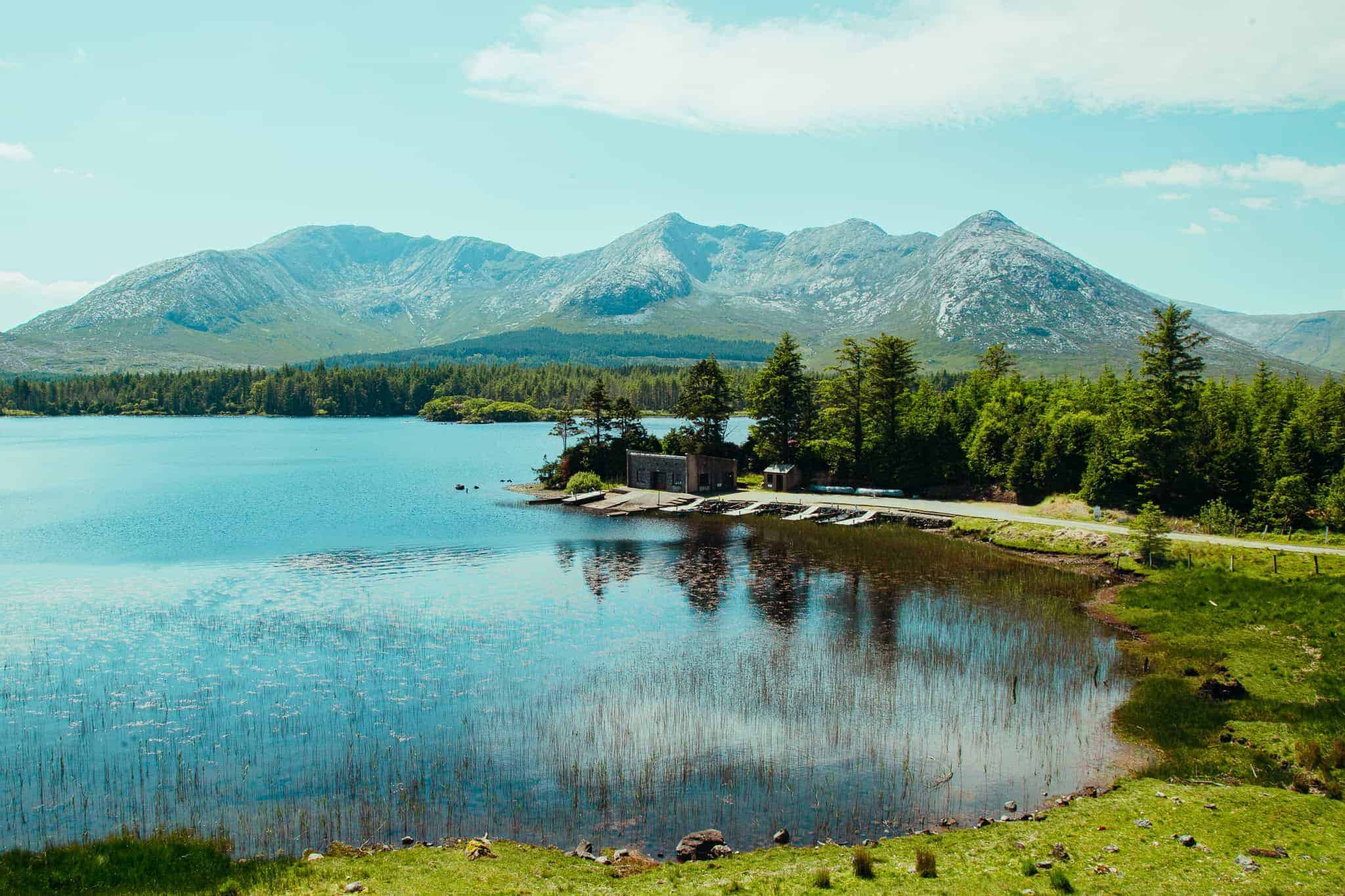
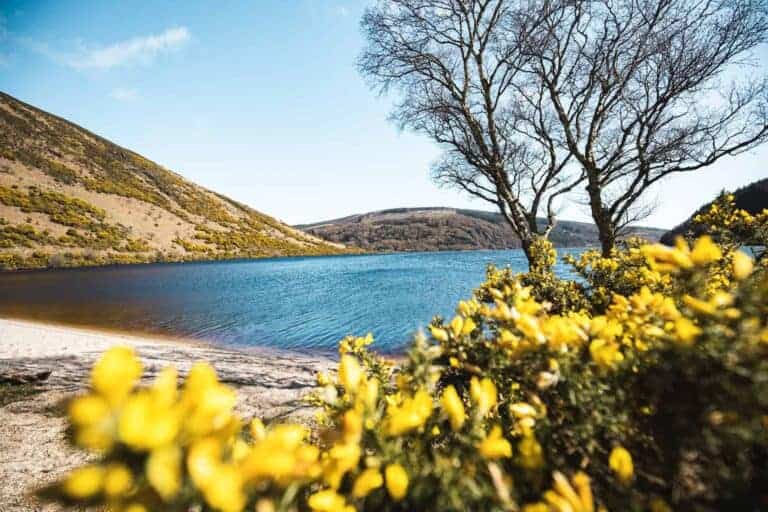
Next, continue along the N59 and turn right onto the R336. You will follow one of the most scenic roads along Lough Inagh, a narrow lake nestled between the Twelve Bens and the Maumturk Mountains. This is Connemara at its most tranquil and one of my favourite places in the area.
Kylemore Abbey & Victorian Walled Garden
Once you meet the N59 again, turn left towards the iconic Kylemore Abbey. This neo-Gothic castle is dramatically set against a mountainside and mirrored in the calm waters of Pollacapall Lough. Built in the 19th century as a romantic gift, the abbey has since served as a Benedictine monastery.
Explore the abbey’s restored rooms and stroll through the Victorian Walled Garden, which has been beautifully restored to its original splendour.

Tickets: Available online or at the gate (includes access to the abbey, gardens, and church). Allocate at least 1.5–2 hours to explore the abbey, gardens, and the lakeside paths.
Photo tips: If you don’t have the time to visit the Abbey, you can still park and walk along the lake toward the entrance. This is where you will find the best views of the Abbey reflecting in the lake (for free!)
Connemara National Park & Diamond Hill Hike
After Kylemore Abbey, I’d recommend grabbing lunch in Letterfrack. There are several restaurants on the main roads, serving excellent Irish pub food. I can recommend Veldons Seafarer Bar & Restaurant and Cloverfox.
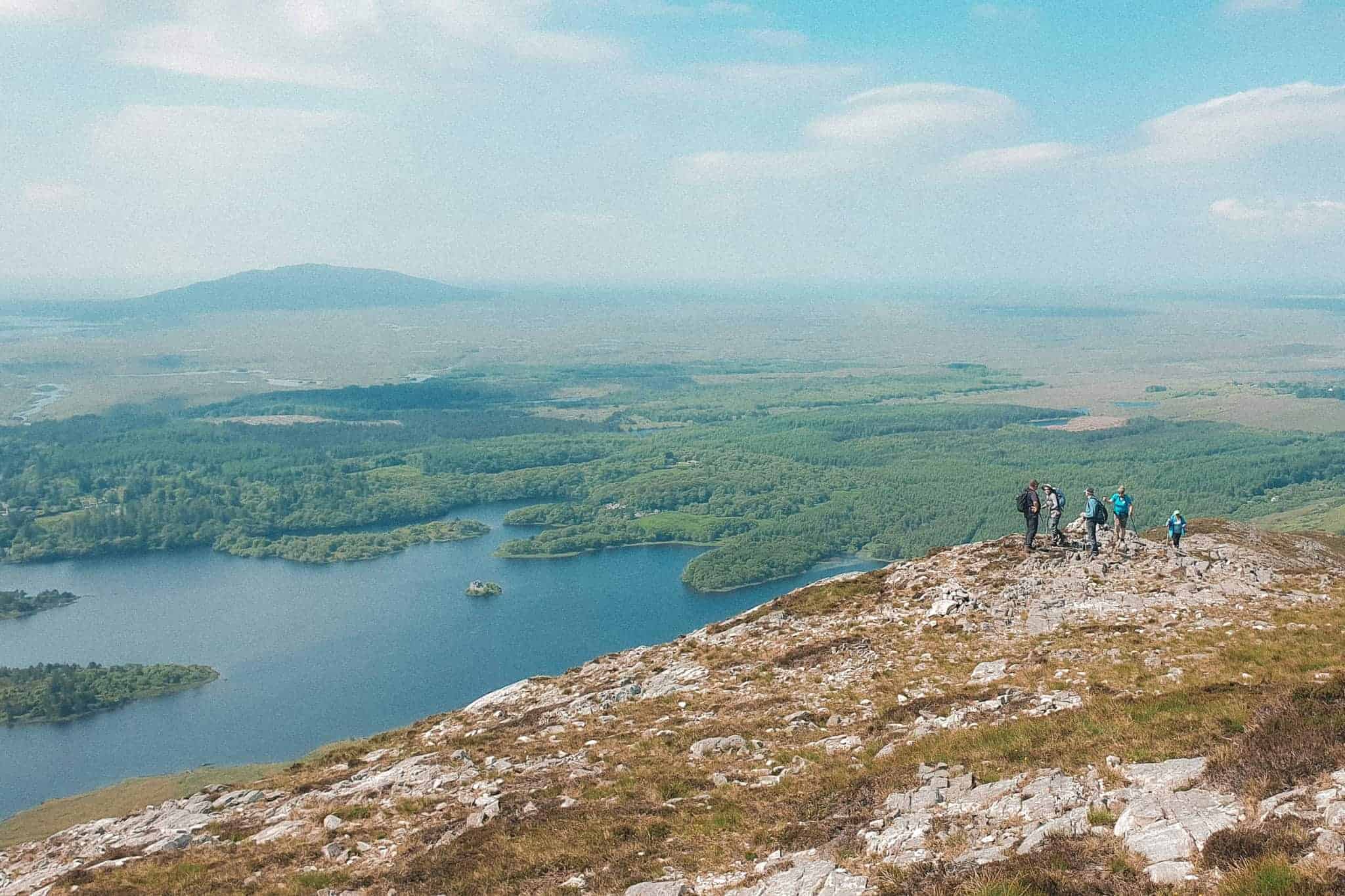
Only 5 minutes away, park at the Connemara National Park visitor centre. From here, you can go on a 1 to 3 hours hike depending on your chosen route. If you can walk uphill, the Diamond Hill hike has the best views over the Twelve Bens, the Atlantic Ocean, and even the Kylemore Abbey from above.
Here is an article about hiking in Connemara National Park, which should help you prepare for it.

Sky Road, Clifden
No trip to Connemara is complete without driving the Sky Road, a stunning 16-km loop starting from the town of Clifden. This route offers postcard-worthy views of the Atlantic coastline dotted with offshore islands.
There are plenty of places to pull over for photos, but the Sky Road Viewing Point is a must-stop for panoramic views. If time allows, take a short walk to the nearby Clifden Castle ruins for a closer look at a forgotten piece of history.
Return to Galway
Optional 1: Roundstone Village & Dog’s Bay Beach
If the weather is on your side, pass Clifden and drive south to loop around to the charming village of Roundstone, known for its traditional music scene and artisan crafts.
Just before Roundstone lies one of Ireland’s most beautiful (yet surprisingly uncrowded) beaches called Dog’s Bay. It is perfect for a quick swim!
Option 2: The Bog Road & Pine Island
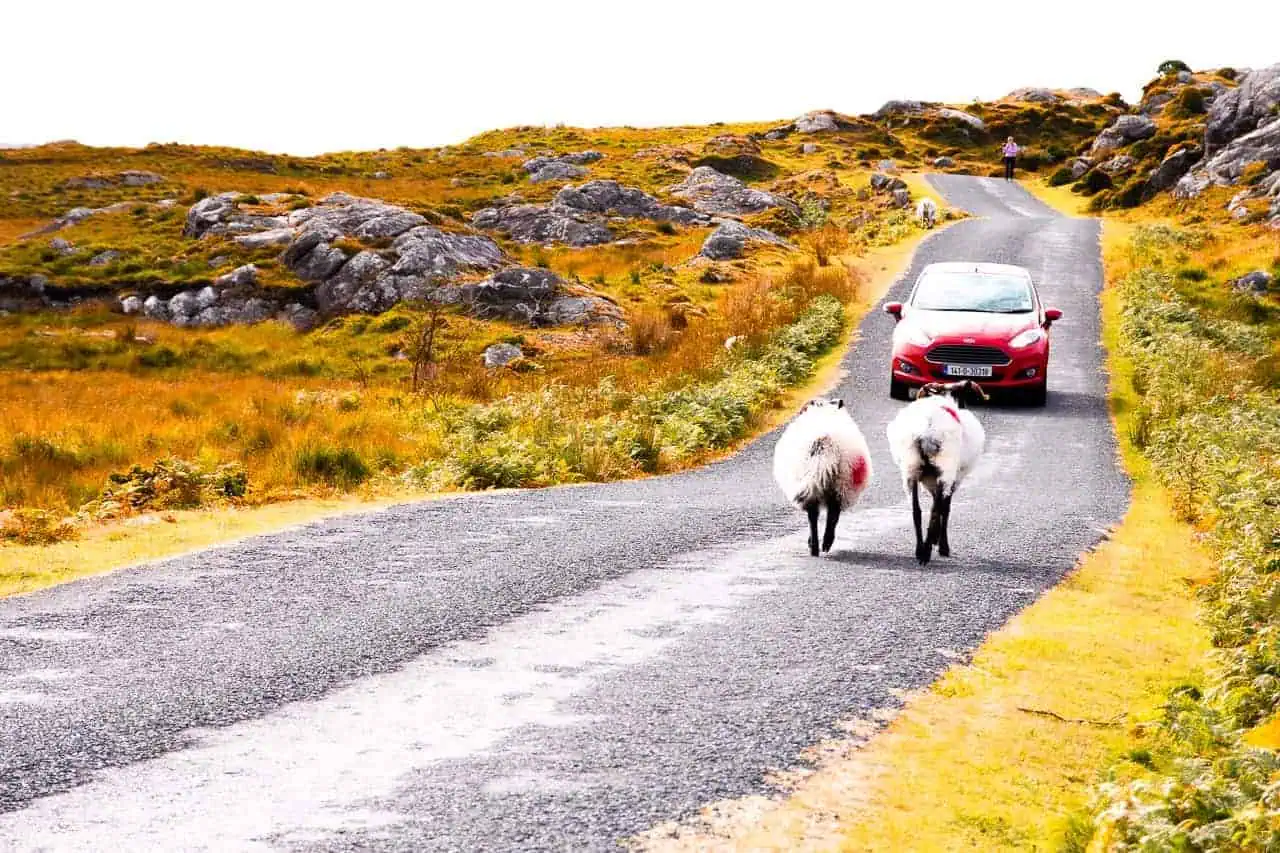
If you’re short on time but still want to experience Connemara’s rugged beauty, take the Bog Road for a shortcut through the heart of the region. It is a small road off the R341, only a few minutes from the Skyroad turn (here are the Google coordinates).
For me, this road is the most representative landscape of Connemara with its small hills, large bogs, gorgeous views of the twelve bens in the background, and a lot of sheep! This being said, watch out for them when you drive here!
Before returning to Galway, make a quick stop at Pine Island, a small tree-covered island that’s one of Connemara’s most photographed landscapes. It’s especially stunning at sunset.
See our best Connemara itinerary recommendation in our article about the best things to visit in this region.
Evening in Galway
After a full day of exploring Connemara, return to Galway in the evening. If you still have energy, stroll around the Latin Quarter and enjoy a relaxed dinner.
Dinner Recommendation: Kai Café + Restaurant or Aniar if you’re looking for a high-end farm-to-table experience.
Day 4: Galway → The Burren → Cliffs of Moher → Adare
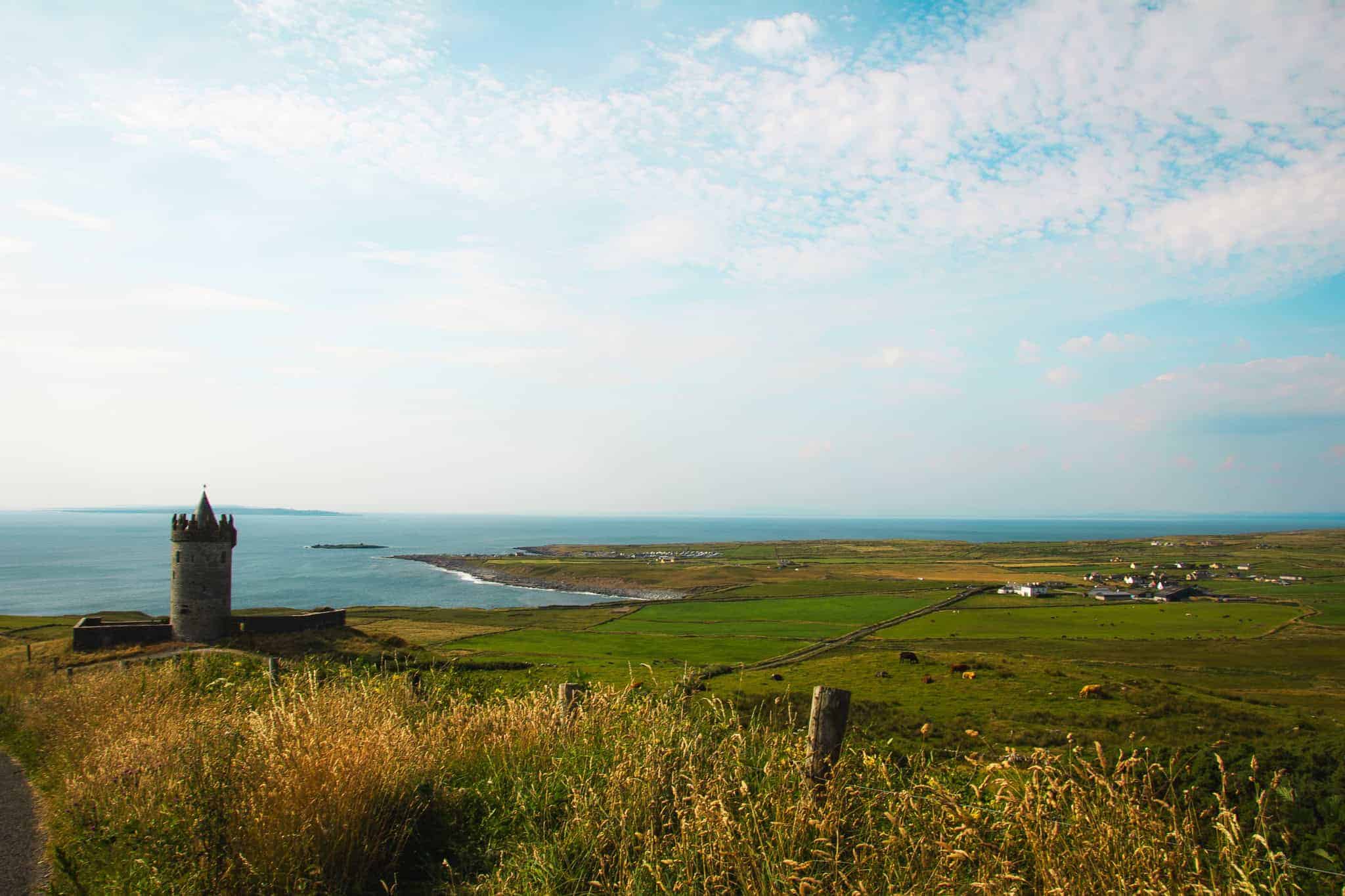
Today, we are going to drive through the wild, limestone landscapes of The Burren and to the iconic Cliffs of Moher before ending the day in the picturesque village of Adare.
The area to cover isn’t large but you will drive on the country roads which can be slow. There are also a lot of places you can stop along the way, so it is up to you how much exploring you want to do.
Driving Time & Distance
- Galway to Dunguaire Castle: 1 hr (30 km), depending on traffic
- Dunguaire Castle to Cliffs of Moher (via The Burren): 2 hr (90 km)
- Cliffs of Moher to Adare: 2 hrs (90 km)
- Total Drive: Approx. 4 hrs
Dunguaire Castle
Begin the day with a visit to Dunguaire Castle, a striking 16th-century tower house near Kinvara on the shores of Galway Bay. Once home to the O’Hynes clan, the castle was later a hub for literary figures in the early 20th century.
Its picturesque setting, reflected in the still waters of the bay, makes it one of the most photographed castles in Ireland.
The Burren
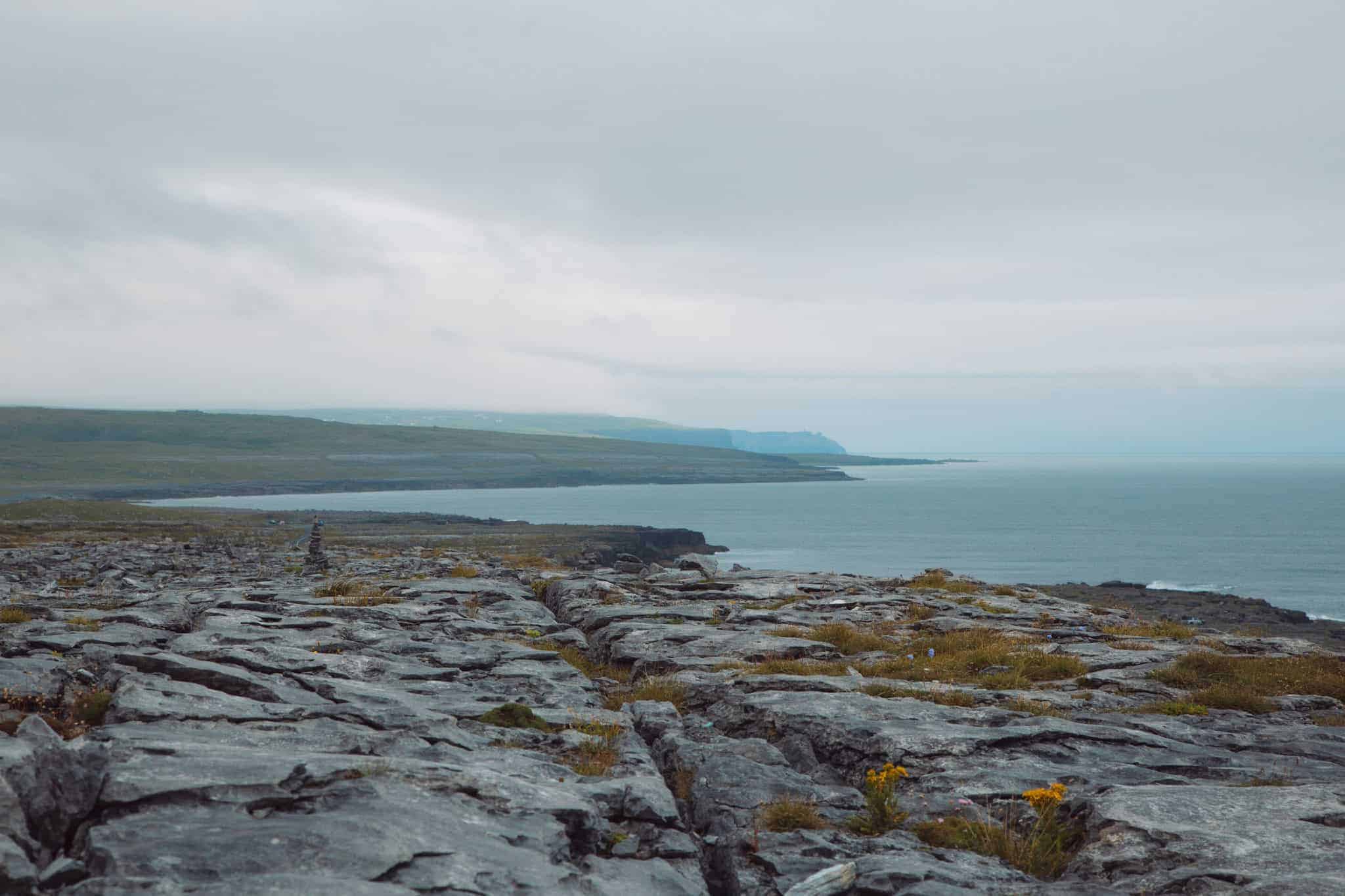
Continue your journey into the surreal and hauntingly beautiful landscape of The Burren, a vast stretch of limestone pavement that feels more like the surface of the moon than anywhere on Earth. This ancient region is scattered with prehistoric monuments, crumbling ring forts, and rare plant species that bloom vibrantly in the spring.
The Burren’s rocky hills, hidden caves, and ancient tombs make it one of Ireland’s most unique natural wonders. Its stark, grey beauty hides a fragile ecosystem where Arctic, Mediterranean, and alpine plants grow side by side, a phenomenon found nowhere else in Europe.
Exploring The Burren
The Burren covers a large area crisscrossed by narrow roads, but much of the land is privately owned. While some ancient sites are easily accessible, many ruined ring forts and hidden tombs are tucked deep into overgrown landscapes, reclaimed by nature.
For an up-close experience of this unique terrain, head to Burren National Park. Here, you can wander across vast limestone pavements, though be prepared—the rocky surface is uneven and broken. Sturdy hiking boots are a must, and it’s important to watch your step as you navigate the rugged trails.
Another stunning way to explore The Burren is by driving along the Wild Atlantic Way (R477), particularly south of Gortacarnaun. This coastal route offers breathtaking views of the expansive limestone cliffs meeting the crashing Atlantic waves. If you visit during the warmer months, you might even spot climbers bouldering along the rocky outcrops. View on Google Maps
Pssst! Please avoid stacking rocks to create stone columns. While it might seem harmless, this contributes to erosion, disrupts the delicate balance of the local ecosystem and can harm native wildlife.
Must-See Stops in The Burren:
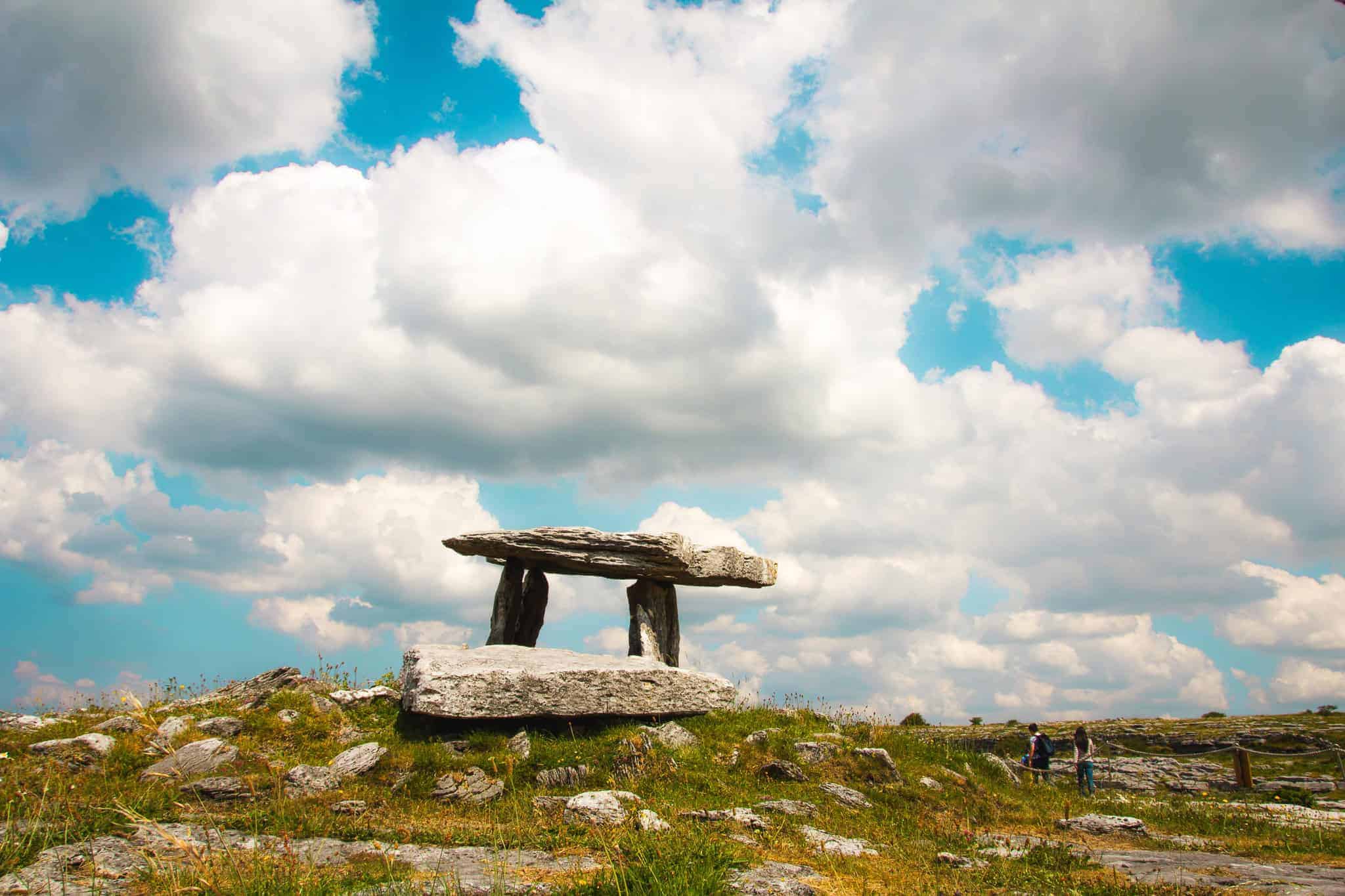
- Poulnabrone Dolmen: This haunting 5,800-year-old portal tomb is one of Ireland’s most iconic archaeological sites.
- Caherconnell Stone Fort: A remarkably preserved ancient ring fort offering a glimpse into the defensive structures of early settlers. Sheepdog demonstrations are also available here, showcasing traditional farming life.
- Burren National Park: home to rare flora and peaceful walking trails that wind through limestone pavements and wildflower meadows. You’ll get to take an up-close look at the region’s unique karst landscape. Choose from several waymarked walking trails that range in difficulty. The Green Trail is a short, easy loop, while the Orange Trail is more challenging.
Optional Stop: Aillwee Cave or The Burren Perfumery
If the weather acts up, you can hide from it at one of these unique indoor attractions:
Aillwee Cave: Venture underground into a fascinating network of caverns and winding tunnels. Guided tours take you through ancient bear dens, underground waterfalls, and unusual rock formations. There’s even a working cheese shop here, offering a delicious taste of The Burren.
The Burren Perfumery: Nestled in the heart of The Burren, this small, family-run perfumery creates organic perfumes and skincare products inspired by the surrounding landscape. Their tearoom is a lovely spot for tea and homemade cakes.
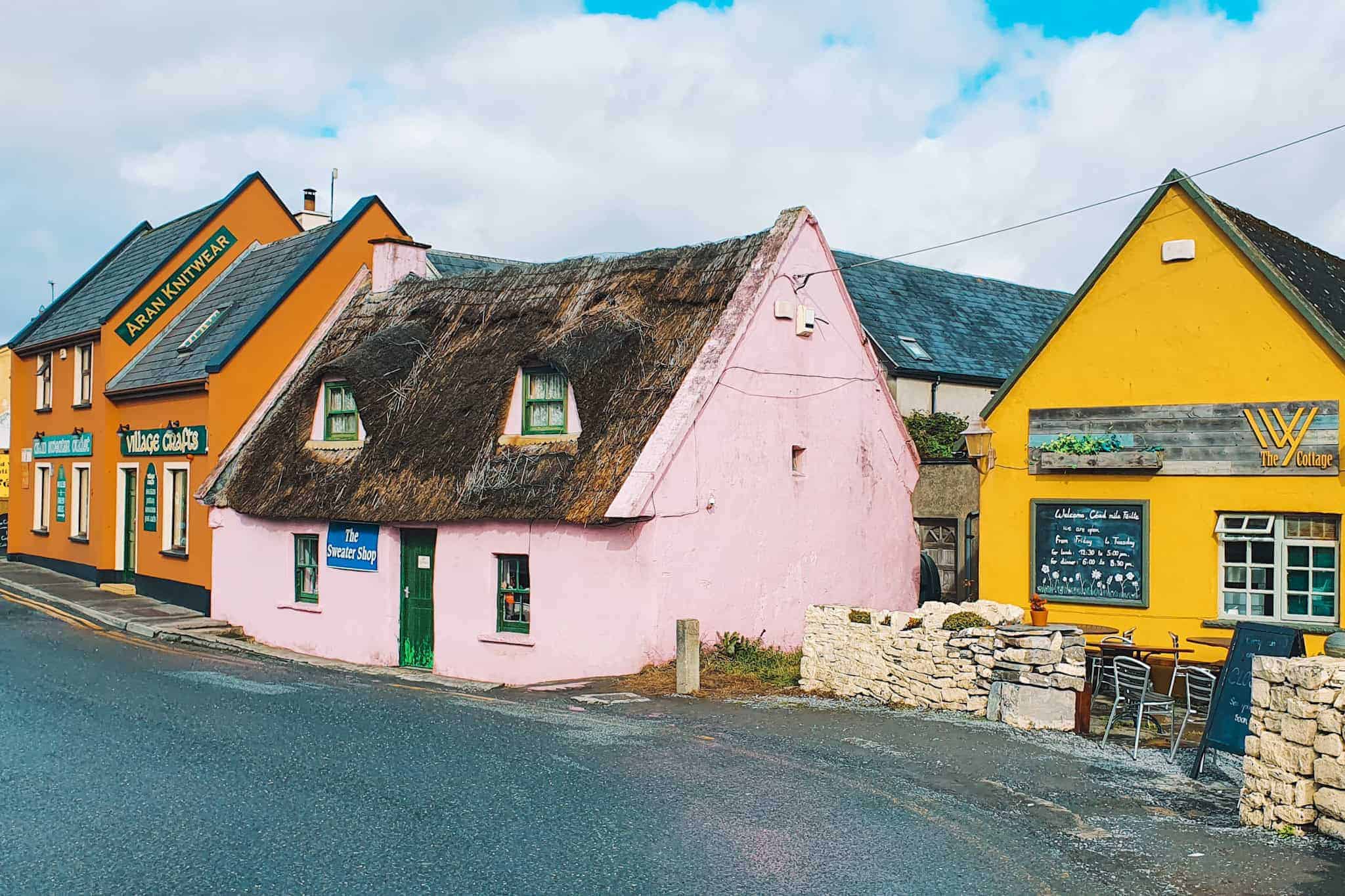
After exploring The Burren, head to Doolin, a colourful seaside village famed for its traditional Irish music. The village has a relaxed, welcoming vibe and is the perfect spot for a casual lunch.
Stop at Gus O’Connor’s Pub for a hearty meal in a cosy setting. If you’re lucky, you might even catch a live music session during the day.
Cliffs of Moher
Next, head to the Cliffs of Moher, one of Ireland’s most famous and popular natural wonders. The Cliffs are only 8km from Doolin.
Rising 214 metres above the Atlantic Ocean, the cliffs stretch for nearly 8 km, offering breathtaking views of the Aran Islands, Galway Bay, and the rugged coastline.
Tickets: The site is free to enter, but if you drive, you must pay €12 per adult at the car park. This fee also gives you access to the visitor centre and the exhibitions. There are no other (legal) options to park for free elsewhere.

Alternative Trails
You may hear about a car park near Hag’s Head charging €2 only, from where you can then walk along the Burren way to the Cliffs. This was indeed an alternative, but the trail from Hag’s head was temporarily closed for safety concerns in August 2024. The trail is indeed not secured, and local authorities are working to make it safer.
Similarly, the 8km trail from Doolin was also a great alternative, but the last part around Surfer Path is also currently closed for renovation.
Here is a map of the open trails.
Optional Stop: Bunratty Castle & Folk Park
If time permits, stop at Bunratty Castle, a beautifully restored medieval fortress near Limerick. The adjacent Folk Park recreates life in 19th-century Ireland with traditional thatched cottages, village shops, and costumed characters.
Travel Tips: If you’re staying nearby, consider booking a seat at the medieval banquet, where you can feast like royalty with music, storytelling, and traditional Irish fare.
Adare Village
End your day in Adare, often called Ireland’s prettiest village because of its charming thatched cottages, stone buildings, and historical sites. Take a leisurely walk through the village, visit the ruins of Desmond Castle, or stroll the manicured grounds of Adare Manor (one of the best castles to stay in Ireland!)
If you’re staying overnight, enjoy dinner at The Blue Door Restaurant or Aunty Lena’s Bar for local cuisine in a cosy setting.
Where to Stay
- In Adare:
- Budget-Friendly: The Dunraven Arms Hotel – A charming and cosy stay in the heart of the village.
- Mid-Range: Adare Country House – A lovely B&B that is beautifully furnished and very cosy.
- On the Way to Killarney:
- Mid-Range: The Old Bank B&B in Bruff – A comfortable and welcoming stopover.
- Luxury: Stay in Limerick at the Savoy Hotel for a city break.
Day 5: Adare → Dingle Peninsula → Killarney
Today, we are driving around the Dingle Peninsula, one of Ireland’s most scenic regions. You’ll drive across dramatic mountain passes, stroll along sandy beaches, and end your day in the lively town of Killarney.
Driving Time & Distance
- Adare to Dingle via Conor Pass: 3 hrs (130 km)
- Dingle Peninsula Loop (Slea Head Drive): 1.5–2 hrs (47 km)
- Dingle to Killarney: 1.5 hr (65 km)
- Total Drive: Approx. 6-7 hrs (with stops)
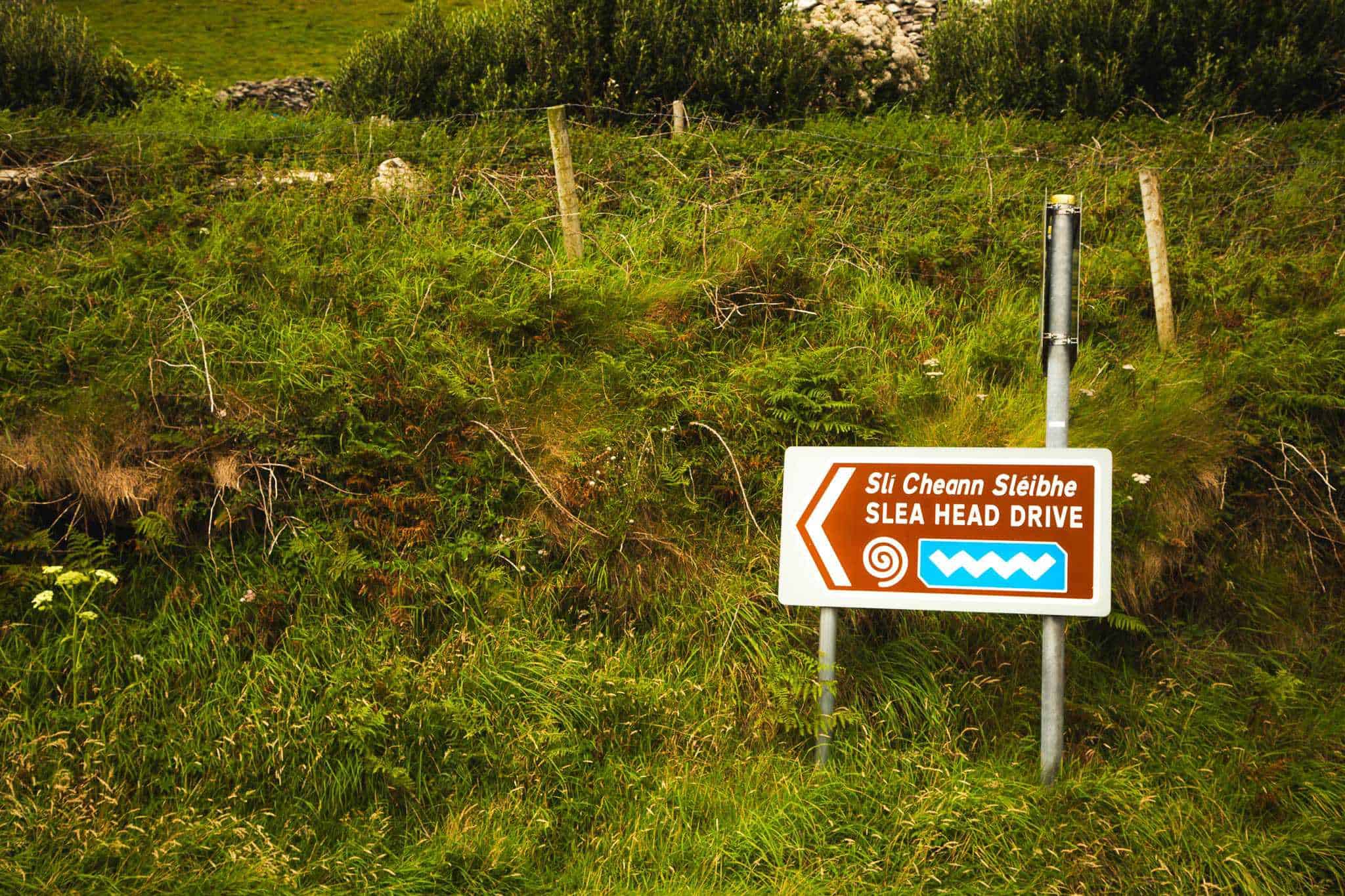
Did You Know? Over the past two days, you may have noticed brown road signs marked with a blue background and a distinctive white zig-zag symbol. These signs indicate that you’re following the Wild Atlantic Way, one of the longest (2,500 km) defined coastal routes in the world, stretching from Donegal in the north to Cork in the south.
Conor Pass
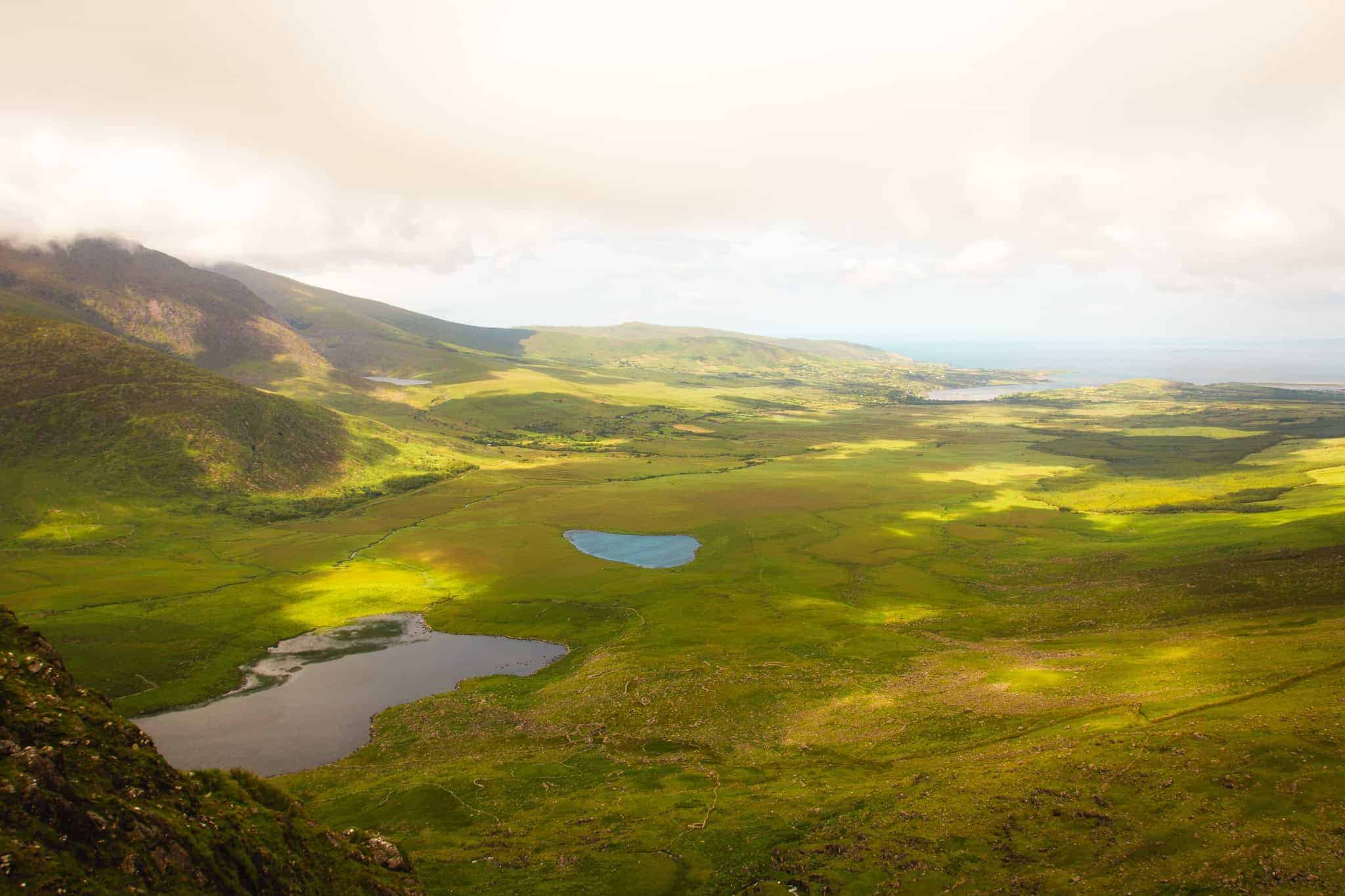
Kick off the day with a drive over Conor Pass, Ireland’s highest mountain pass. This narrow, winding road offers incredible views over glacial lakes, mountains, and the Atlantic coastline. Stop at the viewpoint near the top for panoramic photos. Drive carefully, it’s narrow but worth it!
Alternative Route: If the weather is poor, or the pass is closed due to snow, take the N86 road to Dingle for a safer but still scenic drive.
Dingle Town
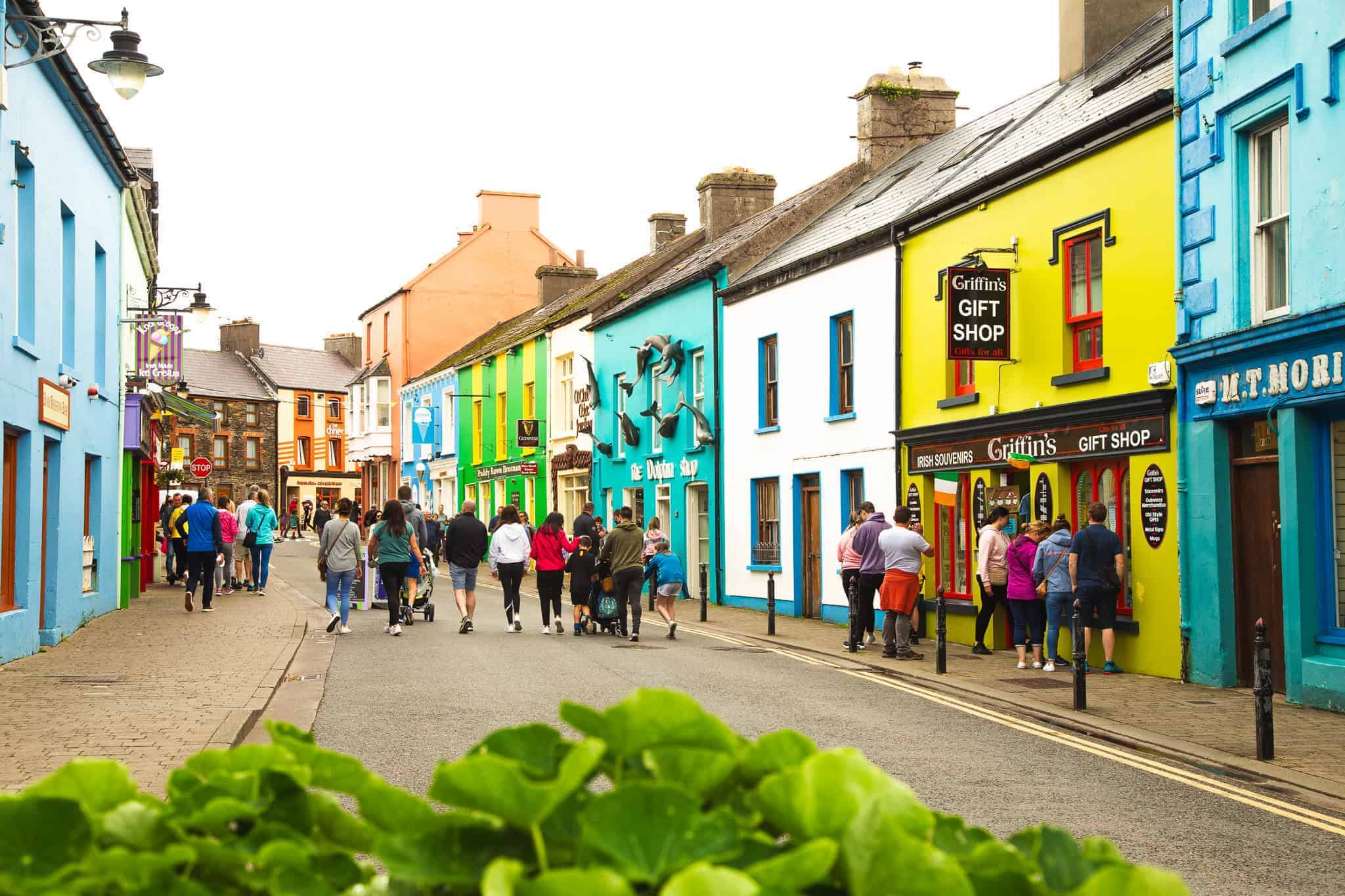
Descending from Conor Pass, you’ll arrive in the colourful harbour town of Dingle, one of Ireland’s most charming coastal villages. Dingle is a perfect place to move the legs after this long drive, grab a coffee or lunch, and shop for souvenirs at one of the artisan shops lining the streets.
Lunch Recommendations:
- The Fish Box: Fresh, locally caught seafood served in a casual setting. Their fish tacos and seafood platters are a must.
- Out of the Blue: A more upscale option, known for its creative seafood dishes (open seasonally). You may have to book online ahead.
- Murphy’s Ice Cream: For dessert, grab a scoop of their famous ice cream. Try flavours like Dingle Sea Salt or Brown Bread!
If time allows, visit the Dingle Distillery for a quick tour (1h) and taste their small-batch whiskey or gin. You may also enjoy this Sea Safari Boat tour to look for marine wildlife like dolphins and whales.
Slea Head Drive (Dingle Peninsula Loop)
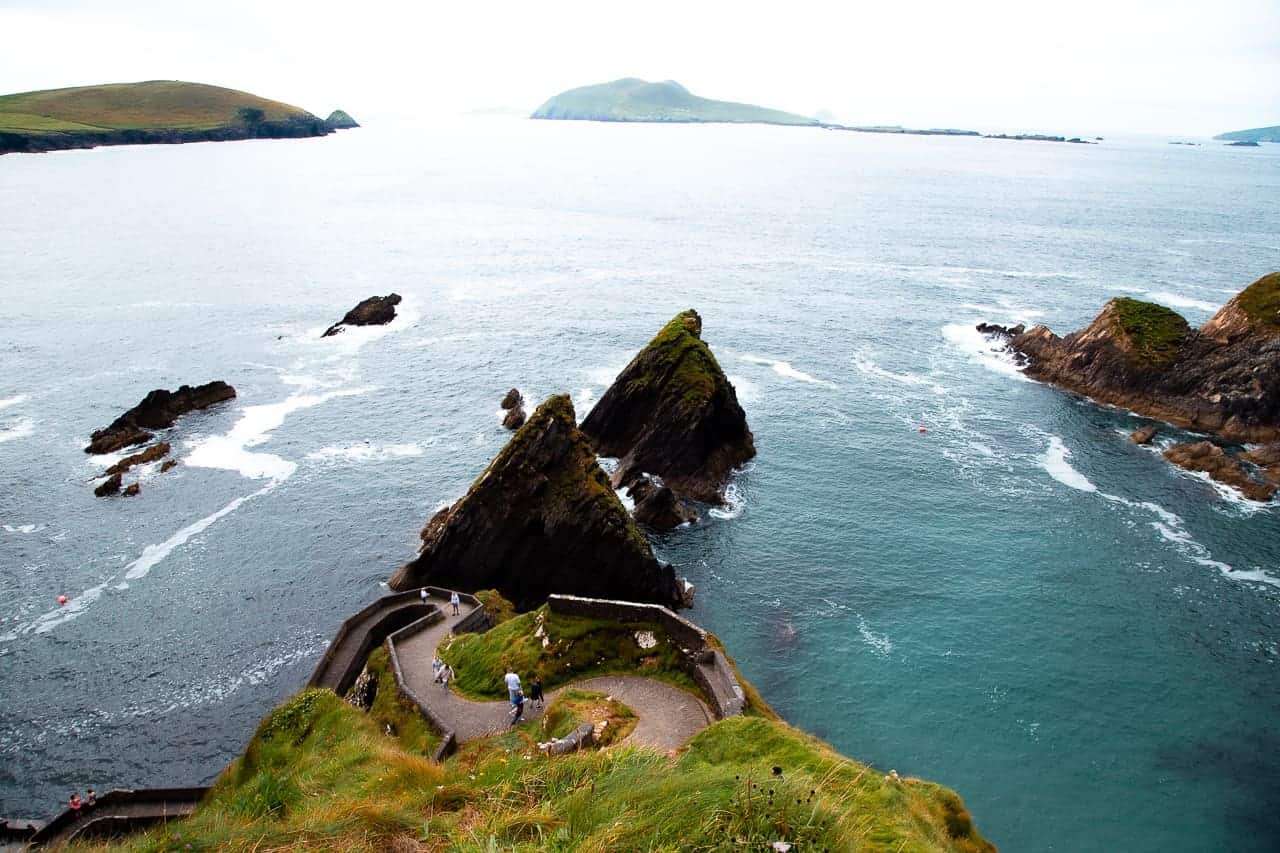
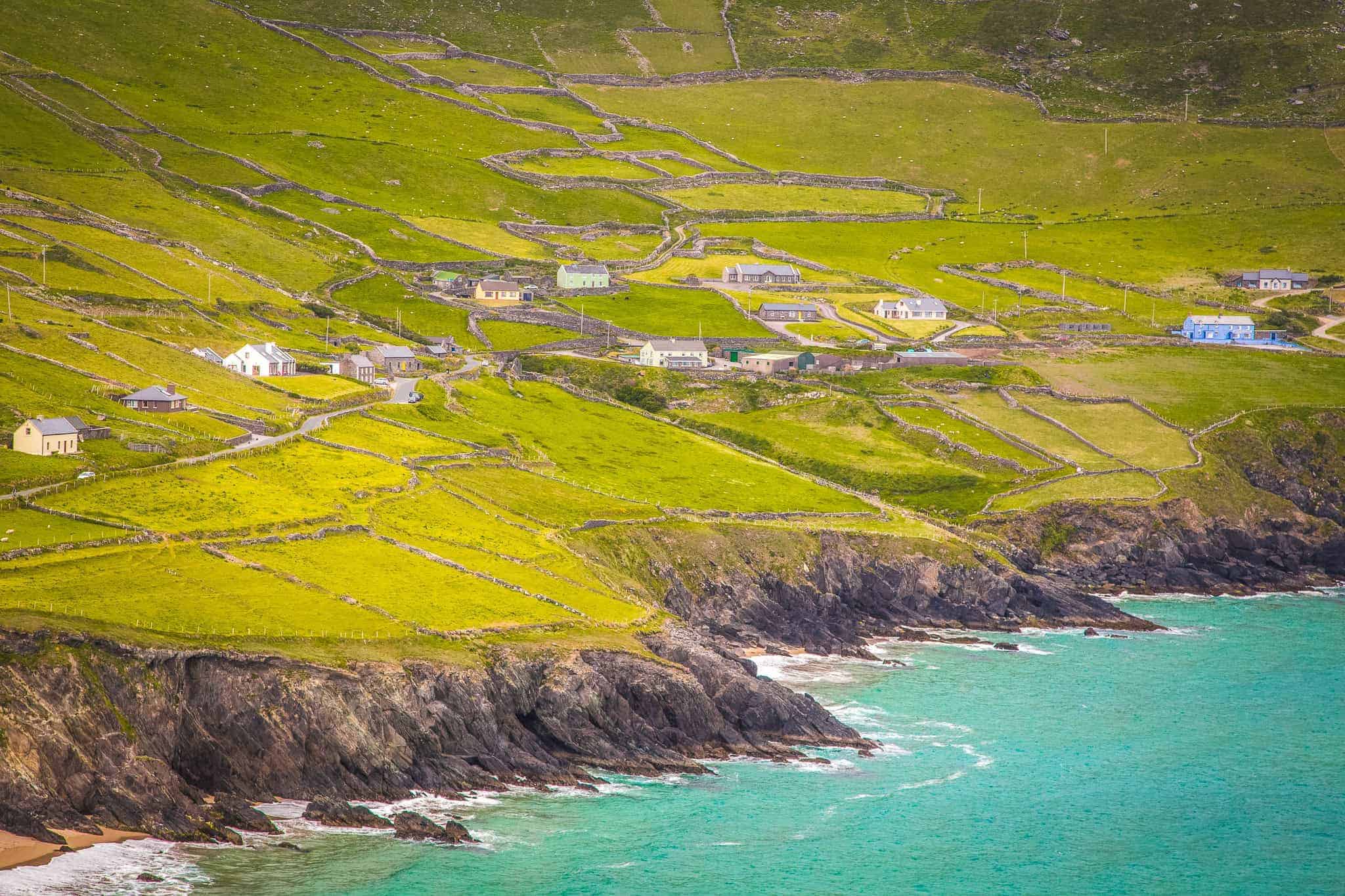
After lunch, set off on the spectacular Slea Head Drive, a 47 km circular route offering some of Ireland’s most dramatic coastal scenery. This drive is packed with ancient sites, secluded beaches, and postcard-perfect views of the Atlantic.
Must-See Stops on Slea Head Drive:
- Beehive Huts (Clochán): These ancient stone huts date back to early Christian times. These dry-stone structures were likely used by monks and farmers centuries ago. Some huts are on private land, so be prepared to pay a small entrance fee.
- Coumeenoole Beach: A secluded sandy beach set against dramatic cliffs. It’s peaceful and untouched, perfect for a quiet moment by the sea.
- Dunmore Head: The westernmost point of mainland Ireland. A short hike brings you to panoramic views of the Atlantic and the distant Blasket Islands.
- Dunquin Pier: This steep, winding pier is one of the most photographed spots in Ireland. Its curving path leading down to the water is stunning against the backdrop of the Blasket Islands.
- Blasket Centre Viewing Platform: Learn about the isolated Blasket Islands and the resilient people who once lived there. Even if you skip the museum, stop for the panoramic views.
Inch Beach
On your way toward Killarney, make a stop at Inch Beach, a vast stretch of golden sand that seems to go on forever. Framed by mountains and rolling dunes, this is a favourite spot for surfers.
There is a surf school here where you can book a beginners lesson or just rent a board if you already know how to surf. Don’t worry; wetsuits are included!
Evening in Killarney
Arrive in Killarney, a charming town at the edge of Killarney National Park. After a full day of sightseeing, relax with a warm meal and perhaps some live traditional music.
Dinner Recommendations:
- J.M. Reidy’s: A quirky spot serving great food and with a great atmosphere.
- Murphy Brownes: Perfect for a hearty Irish meal in a relaxed setting.
If you have energy, take a walk around the town or enjoy music at The Killarney Grand pub.
Where to Stay in Killarney
- Budget-Friendly: The Black Sheep Hostel – Central and great for solo travellers.
- Mid-Range: Abbey Lodge – Family run B&B with gluten-free veggies breakfast available.
- Mid-Range: The Fairview Boutique Hotel – Stylish and comfortable in the heart of town.
- Luxury: Killarney Royal Hotel – Beautifully appointed hotel in the heart of Killarney.
- Luxury: The Europe Hotel & Resort – Overlooks Lough Lein with spa facilities.
Day 6: Killarney & The Ring of Kerry
Today is dedicated to exploring Killarney National Park and the Ring of Kerry, one of Ireland’s most iconic scenic drives.
Driving Time & Distance
- Ring of Kerry Loop + Skellig Loop: 4–5 hrs (230 km)
- Optional Evening Drive:
- Killarney to Mallow: 1 hr (60 km)
- Killarney to Cahir: 2 hrs (120 km)
- Total Drive: 5–7 hrs (depending on stops and overnight location)
Killarney National Park
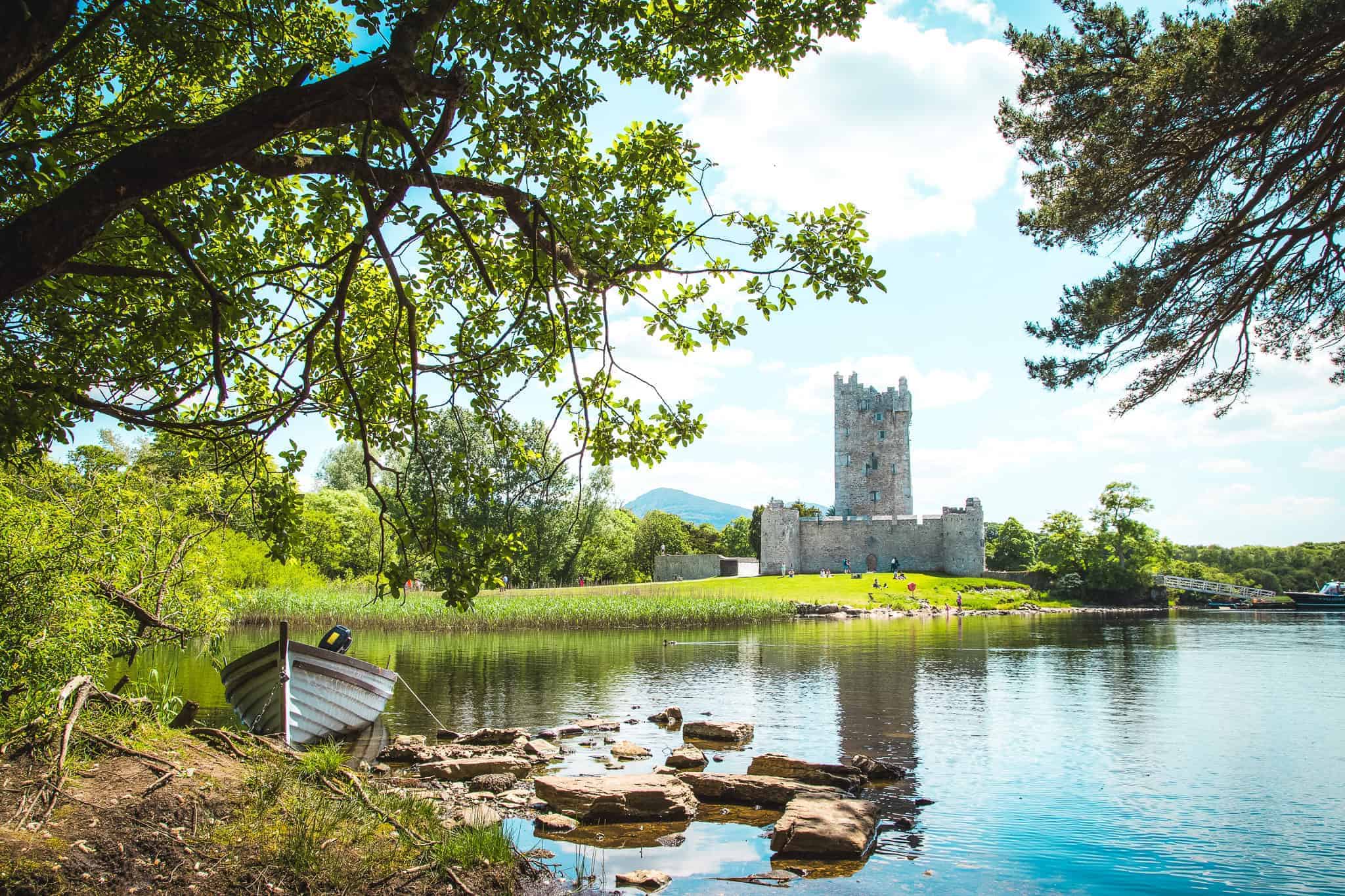
Start your morning by exploring Killarney National Park, Ireland’s oldest national park. This vast landscape of lakes, woodlands, and mountains has a lot to offer, and you can easily spend a few days exploring it.
- Torc Waterfall: a short, scenic walk to this 20-metre-high waterfall, surrounded by lush woodlands. Arrive early to enjoy the falls without the crowds. If you’re up for more of a challenge, continue hiking to the upper falls.
- Muckross House & Gardens: Visit this beautifully preserved 19th-century Victorian mansion. The expansive gardens and lakeside trails are perfect for a relaxed stroll. You will see a lot of horse-drawn jaunting car in the area which offer tours from the house for a traditional and scenic experience around the lakes.
- Ross Castle: A 15th-century tower house sitting on the edge of Lough Leane, Ross Castle is steeped in history and legend. For something extra special, take a boat tour from the castle across the lakes to Innisfallen Island or try Kayaking!
Gap of Dunloe (Optional Adventure)
If you’re craving a bit of adventure, detour to the Gap of Dunloe, a narrow mountain pass carved between the rugged peaks of the MacGillycuddy’s Reeks. Most visitors choose to walk along the lakes or take a traditional jaunting car ride from Kate Kearney’s Cottage.
If you’re short on time, you can drive part of the route. A great option is to drive as far as Auger Lake, stopping along the way to soak in the views, and then turn back.
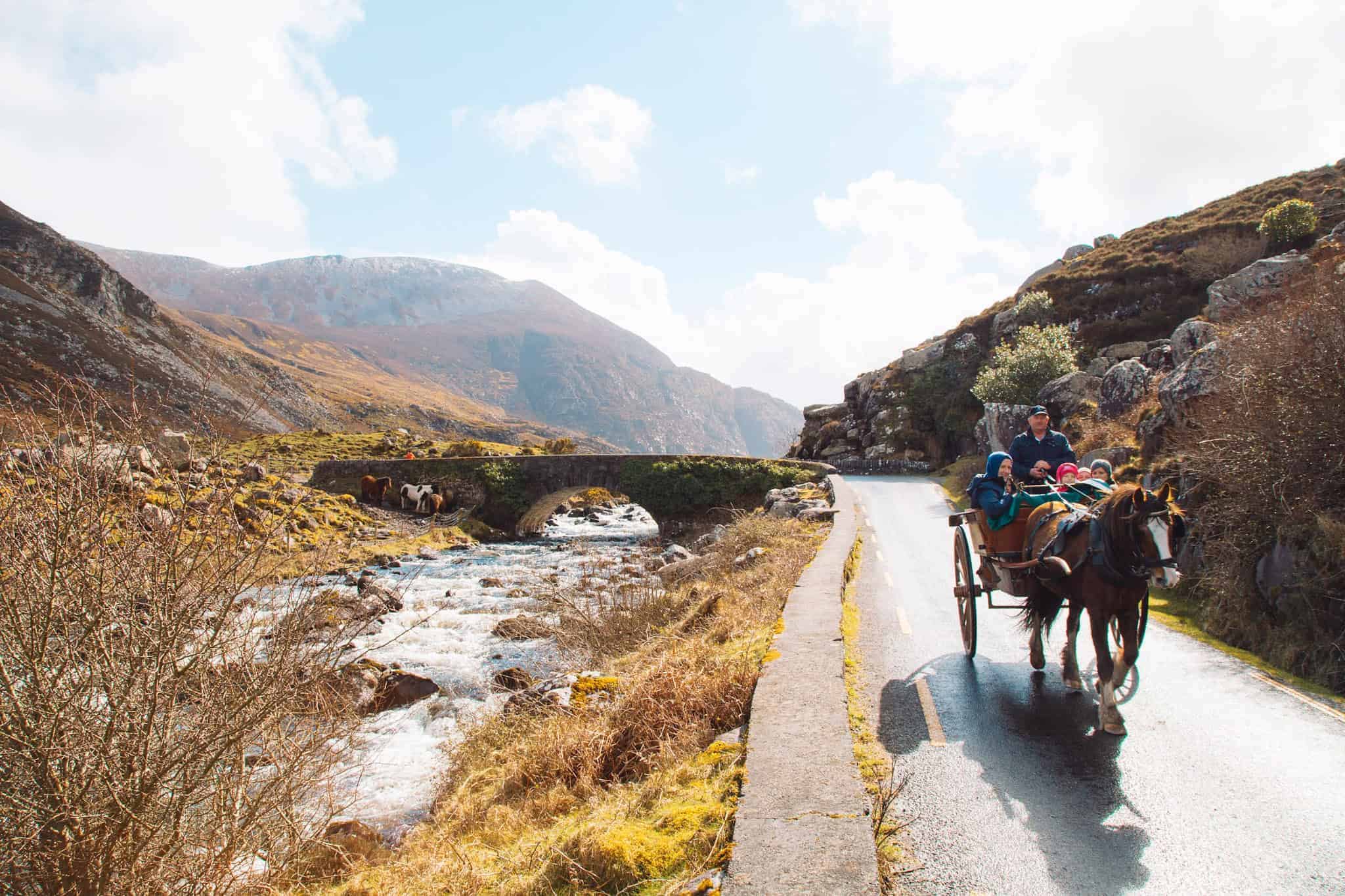
For the more adventurous (and confident) driver, it’s possible to continue through the entire Gap of Dunloe, winding your way across the remote Black Valley and climbing up towards Moll’s Gap. I’ve driven this route a few times myself, and while it’s absolutely breathtaking, it can also be a nerve-wracking experience!
The road is incredibly narrow, and passing oncoming cars often means pulling over onto precarious edges. The drive from the Gap of Dunloe to Moll’s Gap takes time, so don’t rush.
Driving tips: Once you pass the Head of the Gap, be sure to follow your GPS carefully The Black Valley is remote and easy to get lost in.
Ring of Kerry Highlights
Now it’s time to head to the famous Ring of Kerry. You can choose to drive clockwise or anticlockwise. It depends on what works best for you, especially considering the stops you’ve already explored in Killarney National Park (if you stopped at Gap of Dunloe, drove across to Molls Gap or went straight to Torc waterfall). Either way, here are a few stops you can make along the way:
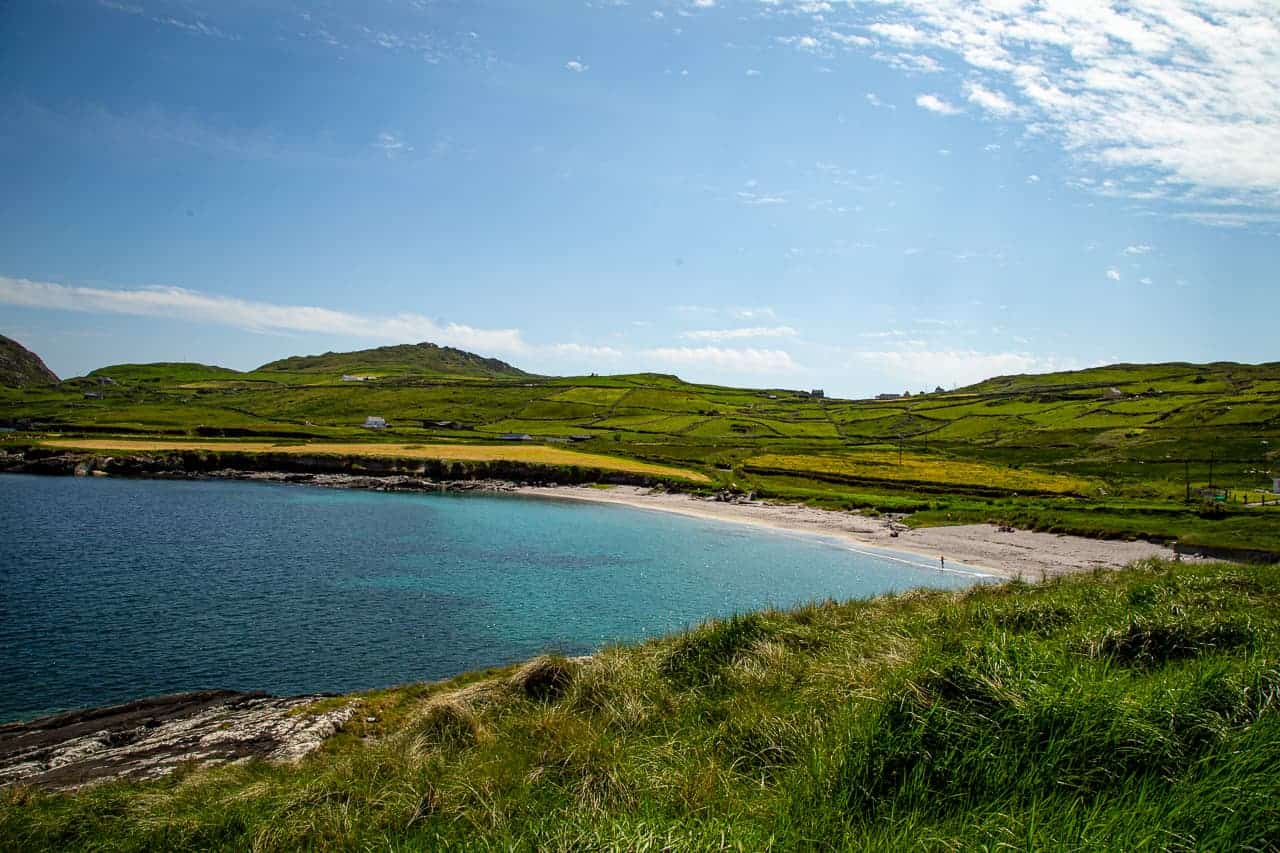
Rossbeigh Strand: a long stretch of sandy beach near Glenbeigh. The beach offers stunning views of Dingle Bay.
After Ohermong (anticlockwise) or Waterville (clockwise), turn off the Ring of Kerry to follow the Skellig Ring road. This will take you to Valentia Island, Portmagee Village and the Kerry Cliffs.
Valentia Island: Cross the bridge from Portmagee to Valentia Island, one of Ireland’s most westerly points. This rugged island is rich in history and offers incredible Atlantic views.
- Bray Head Loop Walk: Take a short but rewarding hike to the top of Bray Head for panoramic views of the Atlantic and the distant Skellig Islands.
- Valentia Lighthouse: Explore the historic lighthouse and its sweeping coastal views. Check here for opening hours and bookings.
- Tetrapod Footprints: Visit the world’s oldest known fossilised footprints, dating back over 350 million years.
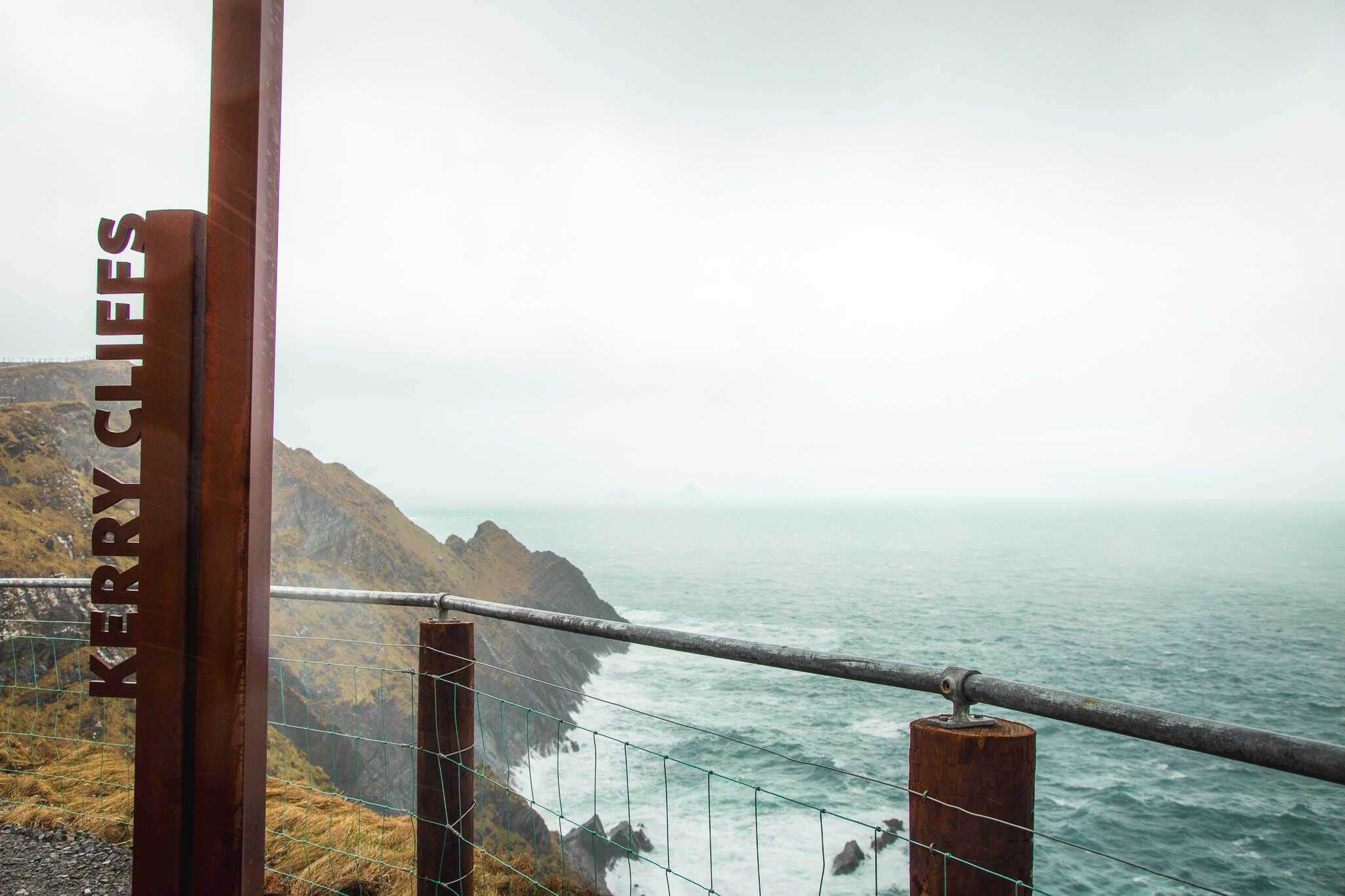
Kerry Cliffs: Less crowded than the famous Cliffs of Moher, the Kerry Cliffs rise over 300 metres above the Atlantic, offering some of the most dramatic views along the Ring of Kerry. On a clear day, you can spot the Skellig Islands in the distance. Visit in the late afternoon for softer light and fewer crowds.
Derrynane Beach: Next, unwind at Derrynane Beach, one of Ireland’s most beautiful and secluded beaches. Its crystal-clear waters and soft sands are perfect for a peaceful walk or simply to sit and admire the view.
Extra: Skellig Michaels Islands
While this seven-day road trip through Ireland is already packed with unforgettable sights, I wanted to include some details about the Skellig Michael Islands in case you’re visiting Kerry between May and September and want to add this once-in-a-lifetime experience to your itinerary.
Skellig Michael (also known as Great Skellig) is a UNESCO World Heritage Site and one of Ireland’s most remote and awe-inspiring destinations. Famous for its ancient monastic settlement and dramatic cliffside views, it’s also gained worldwide recognition as a filming location for Star Wars: The Force Awakens and The Last Jedi.
There are two main ways to experience the Skellig Islands, both departing from the Portmagee: Boat Tour (Non-Landing Tour – 2.5–3 hours round trip) and Landing Tour (4 to 5 hours).
Important: The landing tour hike is strenuous, with no handrails and steep, uneven steps. It’s not suitable for those with mobility issues or a fear of heights. The landing tour is also not permitted for children under 14 years old.
Visiting Skellig Michael is a truly unforgettable experience, but it’s a full-day commitment. If you decide to include it in your itinerary, you may need to skip some other attractions or adjust your schedule to allow for flexibility.
Evening Options
After a full day of stunning landscapes and coastal exploration, you have two great options for the evening: Return to Killarney or drive toward Fermoy or Cahir to shorten tomorrow’s journey back to Dublin. This is a smart choice if you have an early flight or want a more leisurely final day.
Where to Stay
- In Killarney: stay at the same hotel. Recommendations above.
- Towards Cahir (Closer to Dublin):
- Mid-Range: Blarney Woollen Mills Hotel in Blarney.
- Mid Range: Hibernian Hotel & Leisure Centre in Mallow
Day 7: Return to Dublin
On your final day, it’s time to head back to Dublin with options to explore some more historical sites like the Rock of Cashel and Cahir Castle or take the longer scenic route through the Copper Coast and the medieval town of Kilkenny. This is assuming you have the full day and don’t have a flight to catch!
Driving Time & Distance
- Killarney to Rock of Cashel (via Cahir): 2 hrs (145 km)
- Rock of Cashel to Dublin: 2 hrs (170 km)
- Alternative Route (Copper Coast & Kilkenny):
- Killarney to Copper Coast: 2.5 hrs (170 km)
- Copper Coast to Kilkenny: 2.5 hrs (110 km)
- Kilkenny to Dublin: 2 hrs (130 km)
- Total Drive: 4–6 hrs (depending on route and stops)
Option 1: Historical Route via Cahir & Rock of Cashel
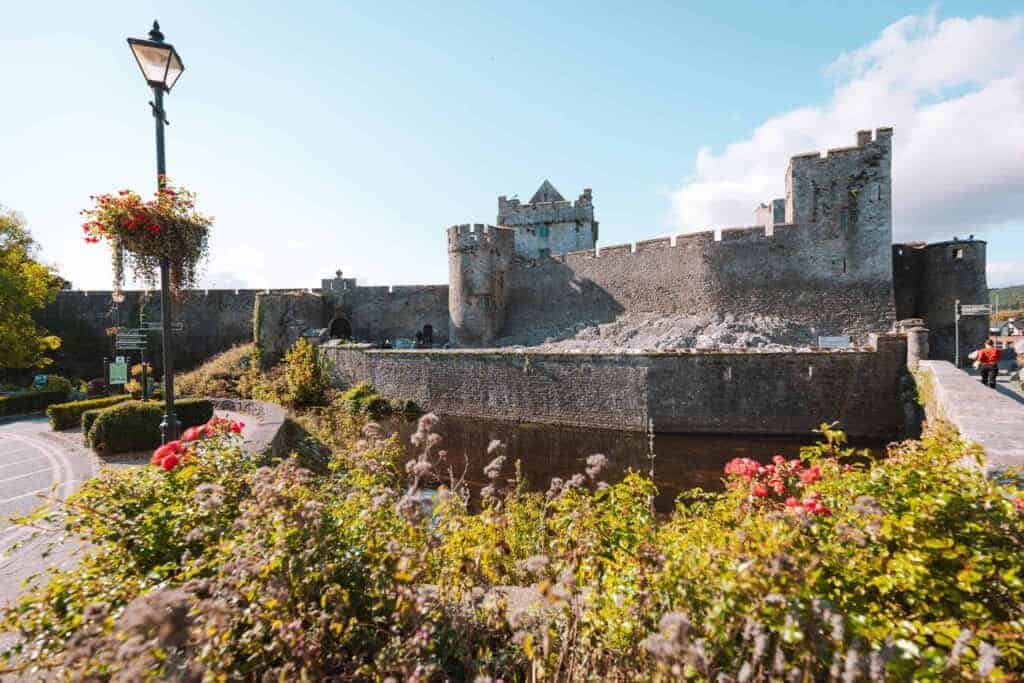
Cahir Castle
Start your day at the imposing Cahir Castle, one of Ireland’s largest and best-preserved medieval castles. Built in the 13th century by the powerful Butler family, this fortress was designed for defence, with thick stone walls, narrow passageways, and a strategic location on an island in the River Suir.
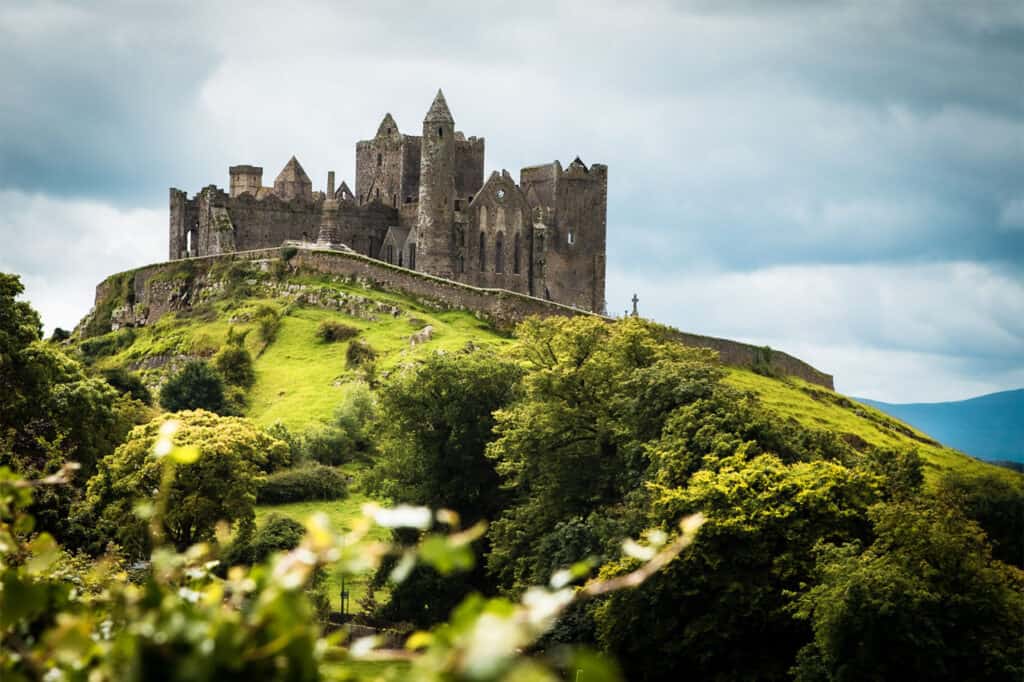
Rock of Cashel
Next, travel to the magnificent Rock of Cashel, one of Ireland’s most iconic castles to visit. Perched on a limestone hill, this medieval complex was once the seat of the ancient kings of Munster and later a significant ecclesiastical centre.
Wander through the ruins of Cormac’s Chapel, adorned with rare medieval frescoes, and marvel at the imposing Round Tower and the intricately carved High Cross.
Return to Dublin
After exploring the heart of Ireland’s ancient east, continue your journey back to Dublin (approx. 2 hours). Depending on your flight schedule, you might have time for one last leisurely stroll through the city or a relaxing dinner.
Option 2: Coastal Scenic Route via the Copper Coast & Kilkenny
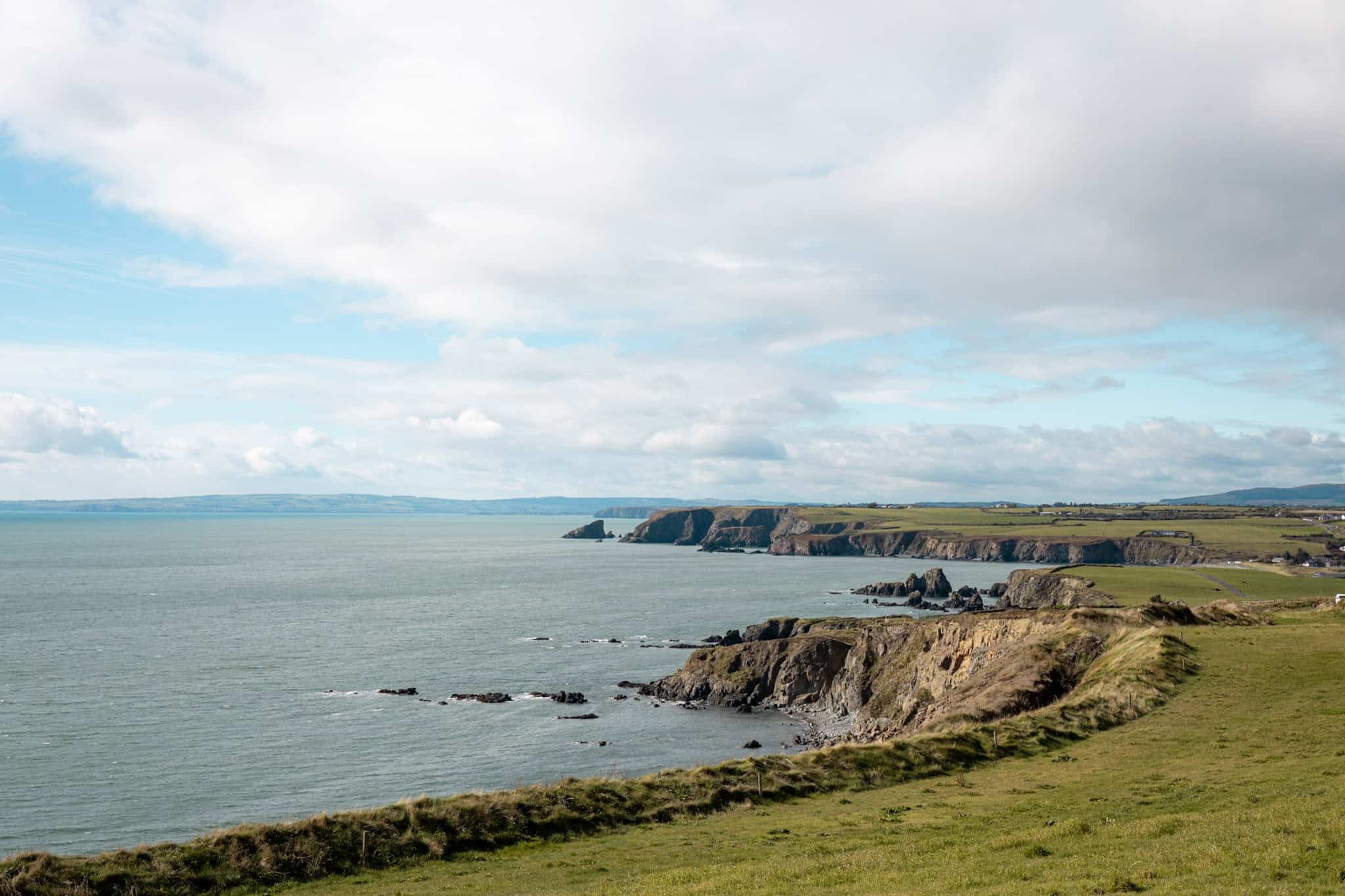
The Copper Coast (UNESCO Global Geopark)
For a slower, more scenic drive, head south towards the Copper Coast, a stunning stretch of coastline between Tramore and Dungarvan. This UNESCO Global Geopark is famed for its rugged cliffs, hidden coves, and historic copper mining heritage.
Stops Along the Copper Coast: Tankardstown Engine House (ruin from the 19th-century mining era) & Kilmurrin Beach (quiet beach perfect for a quick swim). For more stop ideas, visit our full article about driving the Copper Coast.
Kilkenny
Continue your journey to the medieval city of Kilkenny, often called Ireland’s medieval capital. You can visit a few places like the Kilkenny Castle, St. Canice’s Cathedral & Round Tower or The Medieval Mile Museum.
For those who are into beer, take this 1-hour tour of the Smithwick’s brewery to learn about the local drink.
Return to Dublin
After exploring Kilkenny, begin your 1.5-hour drive back to Dublin. If time allows, you might squeeze in a final bit of sightseeing or enjoy one last meal before heading home.
Optional Extra Day: Extend Your Irish Adventure
If you have an extra day to spare, here are two fantastic options, depending on the season of your visit:
Option 1: Summer Adventure to the Aran Islands

During the warmer months, a day trip to the Aran Islands is an absolute must! Located off the coast of Galway, these islands are steeped in Irish language, culture, and history, with landscapes that feel worlds away from the mainland.
Getting There:
- From Galway: Drive 45 minutes to Rossaveal Port, then take a 40-minute ferry to Inis Mór, the largest of the three Aran Islands.
- From Doolin: Seasonal ferries run directly to the islands (best for those near the Cliffs of Moher).
- By Air: Short flights are available from Connemara Airport.
What to See & Do on Inis Mor (the largest & most popular island):
- Rent a bike: The best way to explore Inis Mór is by bike. Rent one near the ferry port and ride through the island for the day at your own pace. I have a full article about spending a day on Inis mor with all you need to know.
- Dún Aonghasa: This prehistoric stone fort dramatically perched on a cliff’s edge offers breathtaking views of the Atlantic Ocean. It’s one of the oldest archaeological sites in Ireland.
- The Wormhole (Poll na bPéist): A naturally formed, perfectly rectangular tidal pool cut into the rocks.
- Seal Colony Viewpoint: Stop by the shoreline to spot seals basking on the rocks.
Option 2: Historical Villages & Castles (Cobh, Kinsale & Blarney Castle)
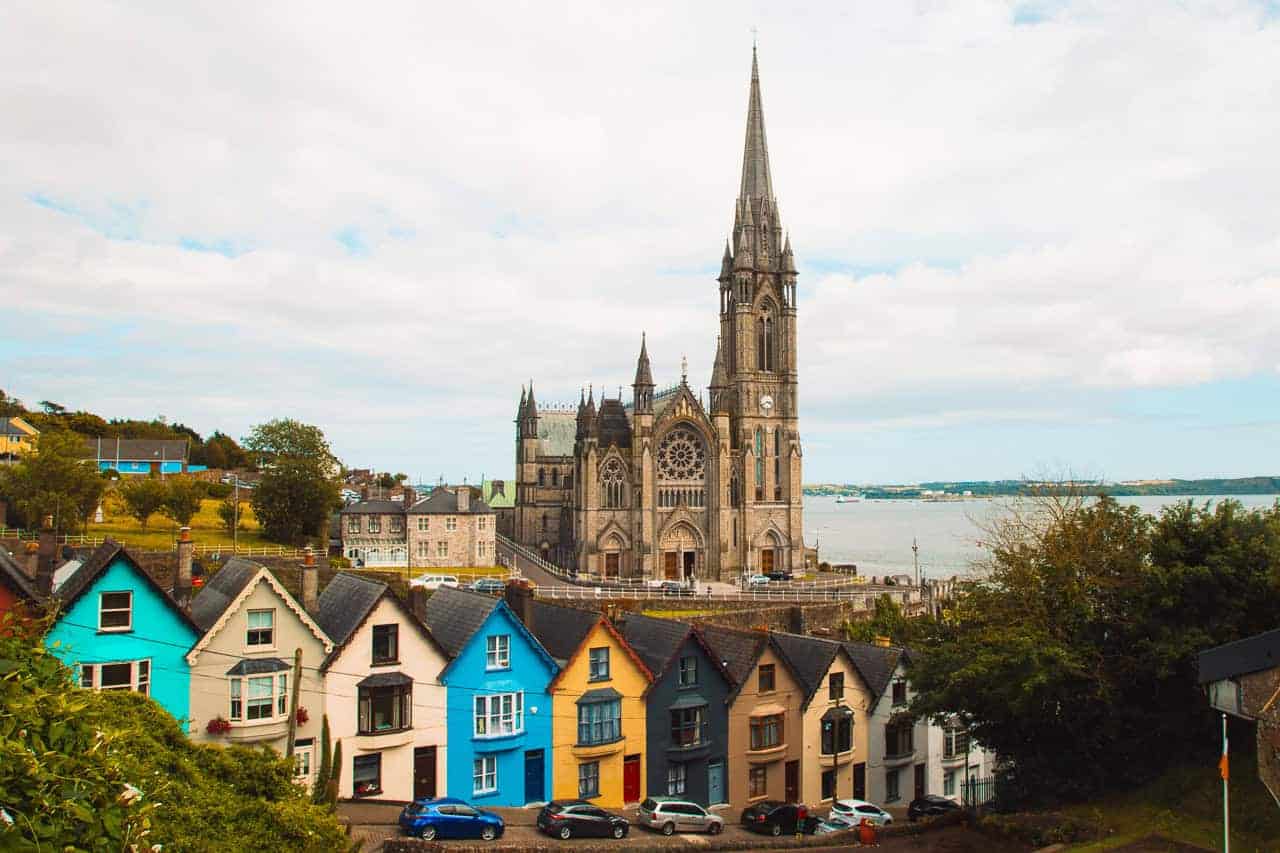
If island hopping isn’t for you, or you are visiting off-season, spend your extra day soaking up the history and charm of County Cork. Visit the world-famous Blarney Castle, the colourful harbour town of Cobh, and the lively streets of Kinsale, known for its food and creativity.
Blarney Castle & Gardens: No visit to Cork is complete without kissing the Blarney Stone at Blarney Castle, said to grant the gift of eloquence. But the castle is more than just its famous stone. Wander through the beautifully maintained gardens and the eerie Poison Garden.
Cobh: once the final port of call for the Titanic, the town is steeped in maritime history and features stunning Victorian architecture.
- Titanic Experience Cobh: Step inside the original White Star Line offices for an immersive experience of the Titanic’s ill-fated voyage.
- St. Colman’s Cathedral: Towering over the town, this neo-Gothic cathedral boasts one of Ireland’s largest carillons and stunning sea views.
- Colourful Harbour Walk: Stroll along the harbourfront and admire the famous Deck of Cards houses—brightly painted homes stacked along the hill.
Kinsale: a vibrant harbour town known for its colourful streets, and incredible food scene. Once a medieval fishing village, Kinsale is now a haven for artists and food lovers.
- Charles Fort: A massive 17th-century star-shaped fort that overlooks the harbour. Wander its walls and learn about its role in Ireland’s military past.
- Foodie Heaven: Kinsale is known as Ireland’s gourmet capital. Treat yourself to a seafood feast at Fishy Fishy Café or try something creative at The Black Pig Winebar.
- Artisan Shops & Galleries: Spend some time browsing the town’s quirky boutiques and art galleries.
Before You Go
When Is the Best Time to Visit Ireland?
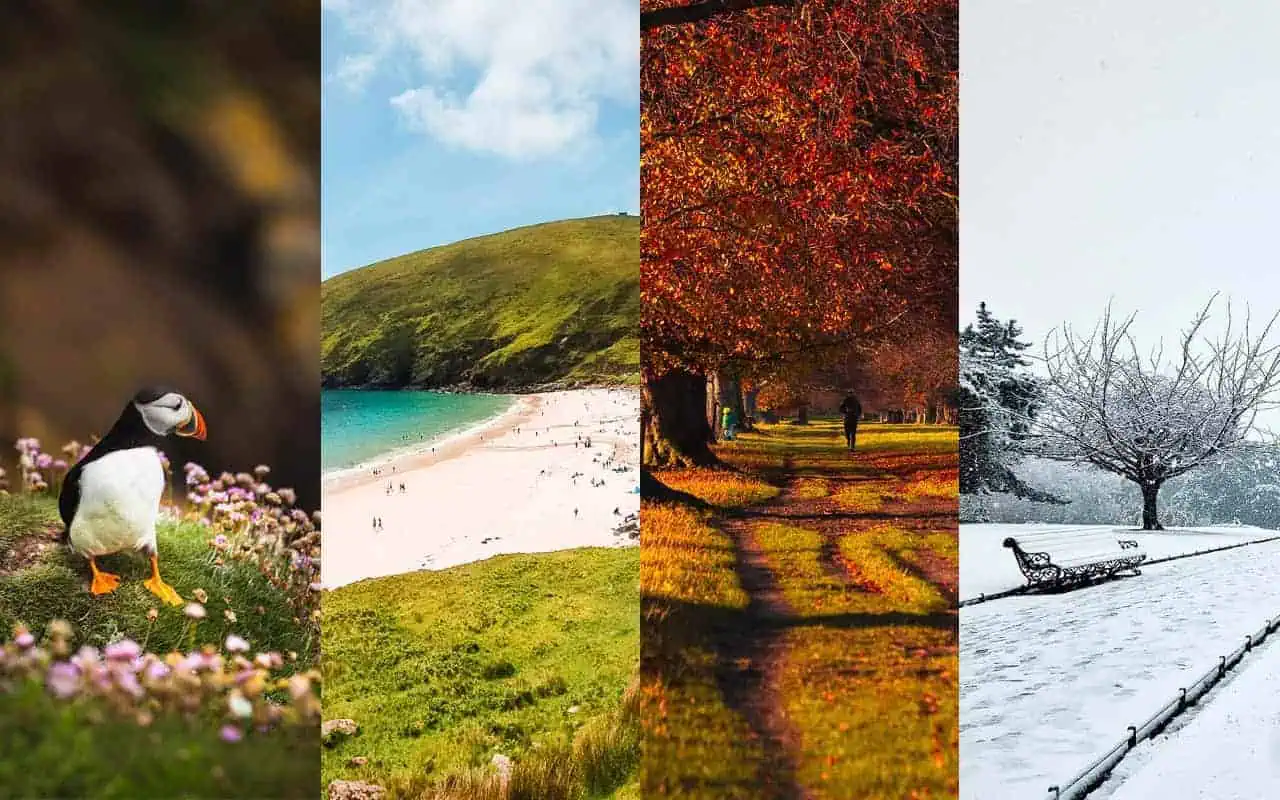
Ireland is a country that transforms with the seasons. From lush green landscapes in spring to cosy pub evenings in winter, every time of year offers a different experience.
- Spring (March–May): Wildflowers bloom, and tourist sites are quieter. It’s perfect for nature walks and garden visits.
- Summer (June–August): Long days, lively festivals, and the warmest weather make this the ideal season for coastal drives and outdoor adventures.
- Autumn (September–November): Crisp air, colourful foliage, and fewer crowds offer a peaceful atmosphere for exploring.
- Winter (December–February): Short days bring cosy pub nights, festive markets, and stunning winter scenery.
Want to know more? Read our guide on When Is the Best Time to Visit Ireland? for detailed insights into each season.
12 Scenic Drives in Ireland You Can’t Miss
If you loved driving the Ring of Kerry or the Dingle Peninsula, you’ll be thrilled to know that Ireland is full of breathtaking road trip routes. From coastal cliffs to mountain passes, these scenic drives reveal some of the country’s most stunning landscapes.
- The Wild Atlantic Way: A 2,500 km route along Ireland’s rugged west coast, filled with cliffs, beaches, and charming villages.
- Causeway Coastal Route: Discover Northern Ireland’s dramatic coast, including the famous Giant’s Causeway.
- The Beara Peninsula: A quieter alternative to the Ring of Kerry, offering rugged mountain roads and hidden gems.
Ready to hit the road again? Explore our full list of 12 Scenic Drives in Ireland to inspire your next adventure.
What to pack for a trip to Ireland?
✅ Warm and Waterproof Clothing
Ireland’s weather is famously unpredictable! Pack a waterproof jacket and sturdy shoes—even in summer. Layer up with a cosy sweater, fleece, or light puffer jacket for chilly days.
✅ Comfortable Walking Shoes
Cobblestone streets and hilly trails call for comfy shoes. Planning to hike? Choose ankle-supporting boots for Ireland’s rocky, uneven paths.
✅ Power Adapter
Ireland uses the Type G plug, so bring the right adapter to keep your devices charged.
✅ Cash and Credit Cards
Most places accept cards, but having cash is handy. If you’re renting a car, a valid personal credit card is required for the driver.
❌ Skip the Umbrella
Irish rain often comes with strong winds—umbrellas don’t stand a chance! Opt for a waterproof hood instead.
🔗 Need the full list? Check out our Ultimate Ireland Packing List or download our 7-pages e-guide which you can print or tick off items as you go on your phone!
What’s the best travel insurance for Ireland?
While Ireland is a perfectly safe country to visit, travelling, in general, opens to vulnerabilities that you simply don’t have at home such as missed flights, lost luggage, or accidents.
It is important to always have valid travel insurance covering everyone as unexpected events and incidents can occur during travel. We can only recommend purchasing travel insurance beforehand as it is always a worthwhile investment. If it isn’t for financial protection, do it for your peace of mind.
👉 Click on any of the links below to get a free quote on your policy!
✅ VisitorsCoverage: Ideal for international travellers, offering customisable plans for medical coverage, trip protection, and more.
✅ Ekta Travel Insurance: Affordable and comprehensive, perfect for adventure seekers needing extra coverage for outdoor activities.
ARE YOU ON PINTEREST?
What about saving this post to your Pinterest board?
Click on the photo to save this blog post for later. Follow Travel Ireland Today’s boards to see our latest pins.

I help you explore Ireland like a local with insider tips, detailed itineraries, and practical advice.
HEY THERE! I’M JEN…
Funder, Author & Photographer behind travelirelandtoday.com
Ireland has been my home for the last 12 years. Before settling here, I spent years backpacking around the globe, visiting 65+ countries. Along the way, I discovered my love for hiking, photography, and crafting budget-friendly itineraries.
Through this website, I share the best things to do and see in Ireland, detailed hiking guides, and practical tips to help you plan your perfect Irish adventure. Let’s make your trip unforgettable!
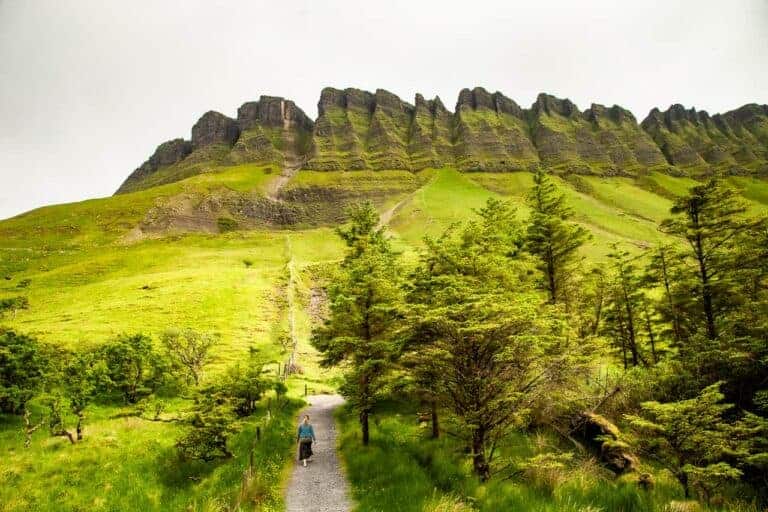


Such comprehensive guide. I am just so in love with the hikes.
Saving this for when we next visit Ireland. Love all of the food and drink recommendations along the way, this is incredibly thorough!