
Ballysaggartmore towers walk
This website uses affiliate links which may earn a small commission at no extra cost to you. Thank you for your support.
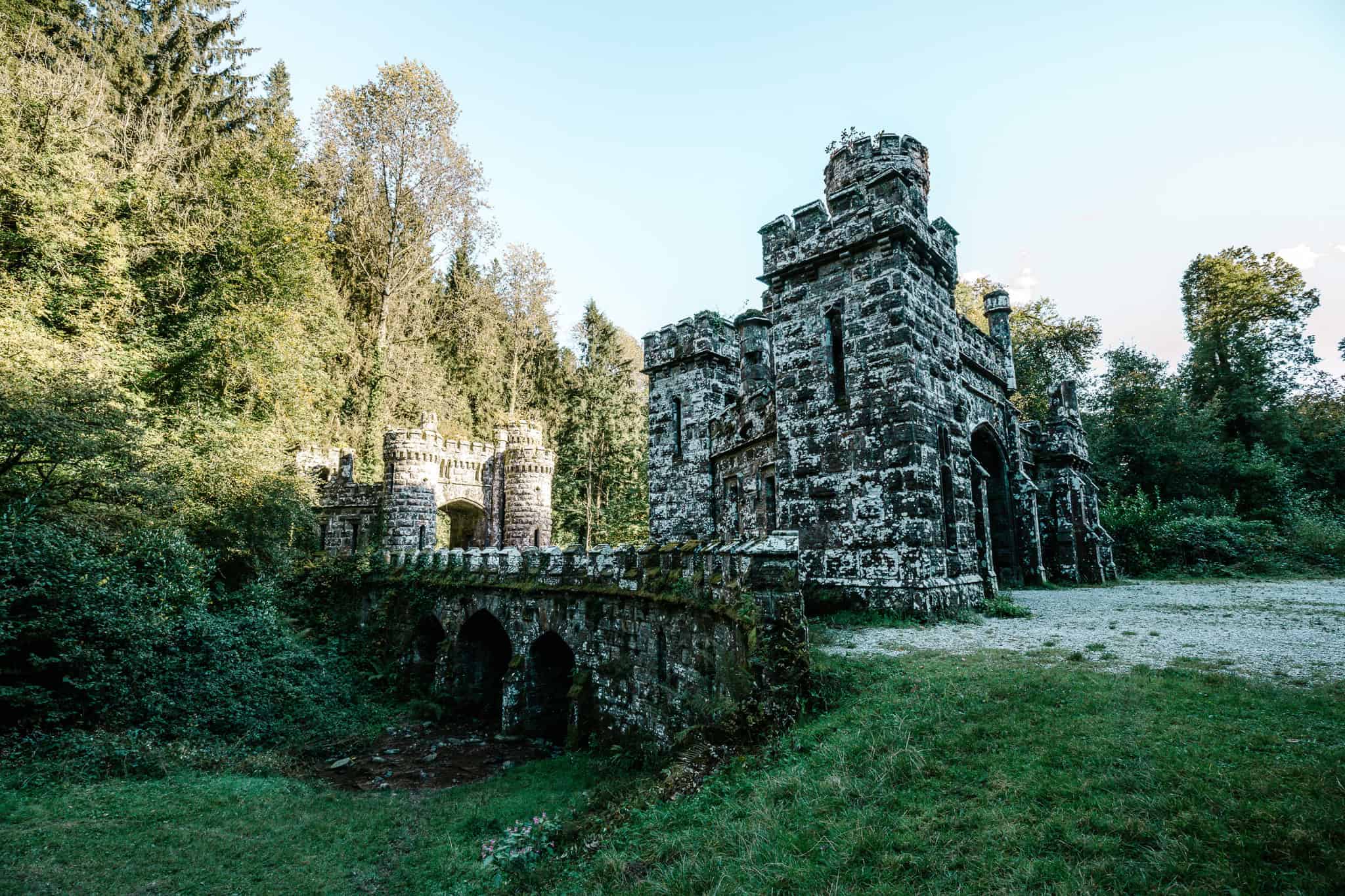
The Ballysaggartmore Towers sit quietly in a woodland just outside Lismore in County Waterford. Once a hidden landmark known mostly to locals, this enchanting spot is now gaining popularity among travellers seeking Ireland’s lesser-known gems.
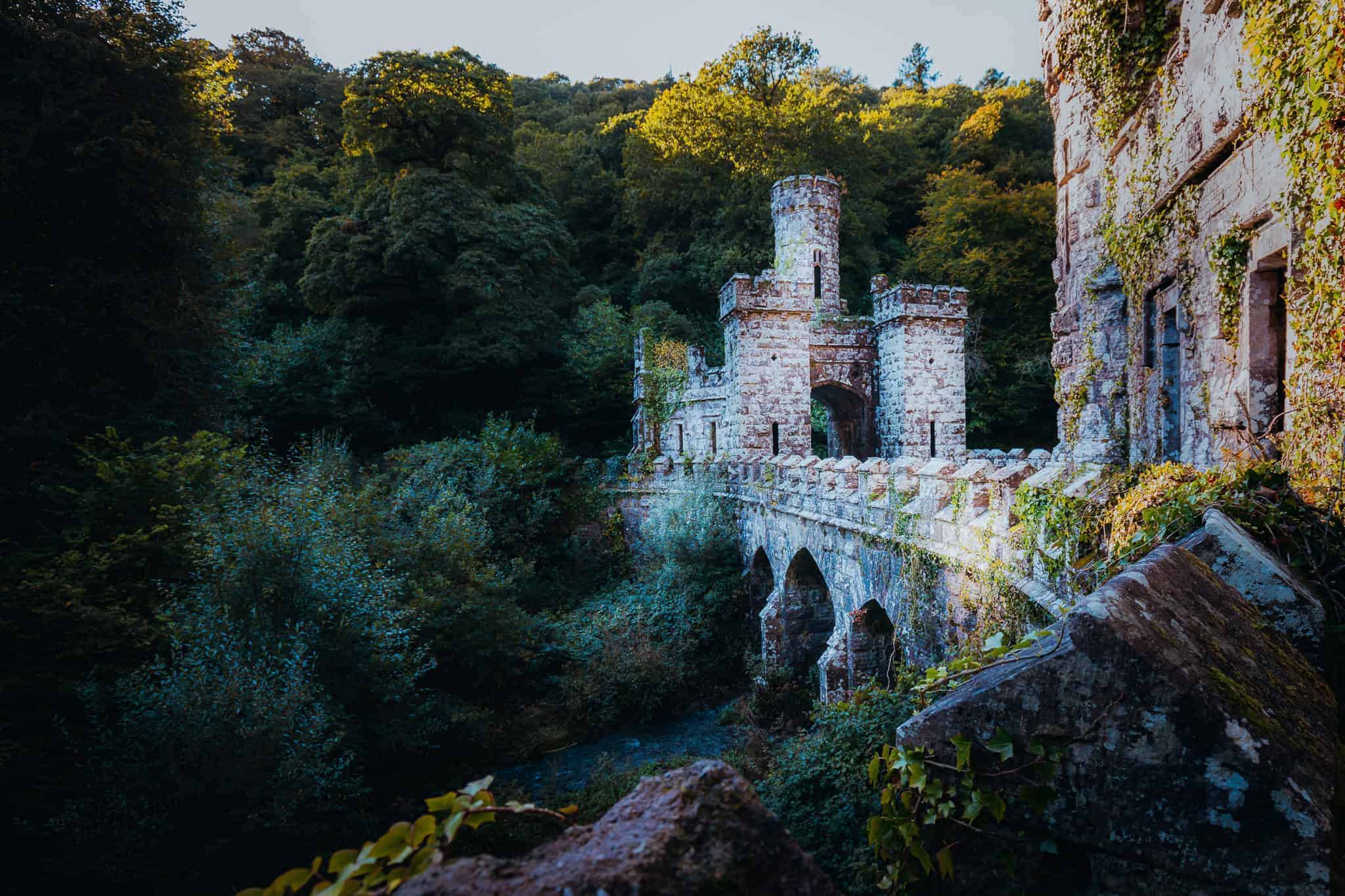
Built in the 1830s by Arthur Kiely-Ussher as extravagant gate lodges for a grand estate that was never completed, these towering stone structures were designed to impress but now blend seamlessly into the forest and remain a hauntingly beautiful reminder of Ireland’s Gothic Revival era.
Today, the towers offer a perfect stop on a Waterford road trip, inviting visitors to enjoy a peaceful woodland stroll surrounded by fairytale-like architecture.
In this guide, I’ll share everything you need to know for your visit to Ballysaggartmore Towers, from what to expect on the walk to the fascinating history behind these captivating ruins.
How to visit the Ballysaggartmore towers
Location
Ballysaggartmore Towers are located, just 3 km (about 5 minutes by car) from the historic town of Lismore in County Waterford. Nestled in a quiet woodland off the R666 road, the towers are easy to access on foot following a lovely woodland trail.
However, there are no signs marking the location. If you’re coming from Lismore, watch for a small car park on the right-hand side of the road, or use this Google Maps link to find the parking area directly.
Parking Information
There is a small, free car park conveniently located at the entrance to the woodland trail leading to the towers. The car park can accommodate several cars but may fill up during weekends. Locals enjoy this woodland to walk their dogs.
Public Transport Options
Public transport in the area is limited. You can catch a bus to Lismore from larger towns like Dungarvan or Fermoy. But once in Lismore, it’s best to take a taxi to the start of the walk. I do not recommend walking from Lismore along the R666 due to its narrow lanes with no shoulders, and poor visibility.
Best Times to Visit
For the best light, visit early in the morning or late in the afternoon. Visiting in autumn offers a spectacular display of colourful foliage, while spring brings fresh greenery and blooming wildflowers.
Ballysaggartmore Towers Loop Walk
The Ballysaggartmore Towers Loop Walk is an easy, family-friendly trail perfect for a relaxed day out.
- Distance: Approximately 2 km (1.25 miles)
- Route: This is a Loop walk. Start to the left and walk clockwise for the best experience
- Duration: About 45 minutes, but take your time. An hour is ideal to explore and enjoy the forest surroundings.
- Difficulty: Easy. The trail is mostly flat. The final stretch is a bit steeper with tree roots, so watch your step.
- Accessibility: Not suitable for wheelchairs. Buggies with off-road wheels can manage most of the trail, but it can get muddy after rain, and the last section may be tricky due to exposed roots.
What to Expect Along the Way

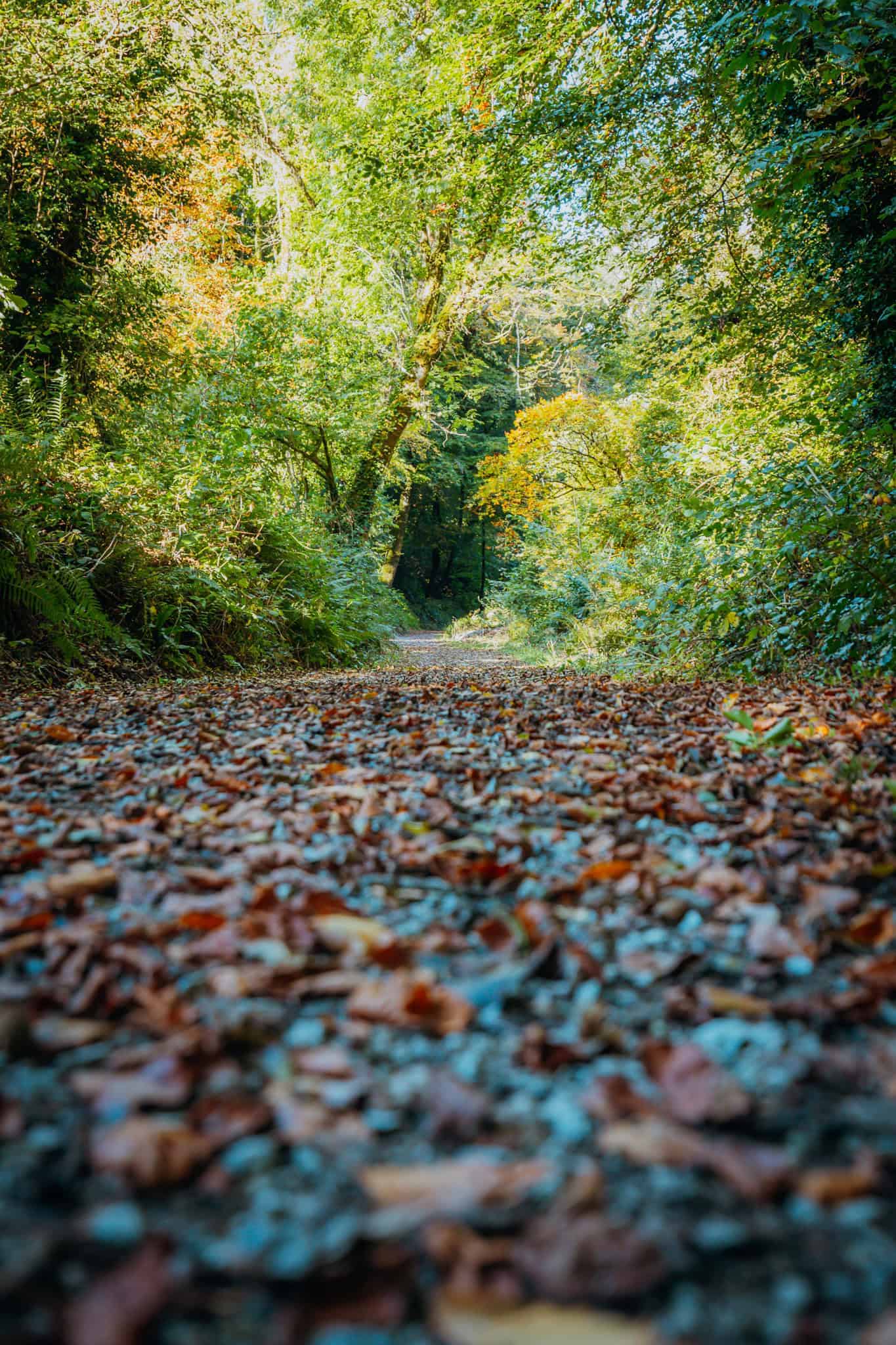
Starting from the car park, head up the steps where you’ll find information boards about the tower and the walk. I recommend starting to the left, where you’ll enter a peaceful forest path surrounded by tall trees. Cross a small wooden bridge and follow the trail to the right.
After a short, gentle climb, you’ll pass under a stone gate. A few metres later, the Ballysaggartmore Tower will appear through the trees. A truly magical sight!
If you continue left past the tower, you’ll find a picnic table and, a bit further on, a small waterfall.
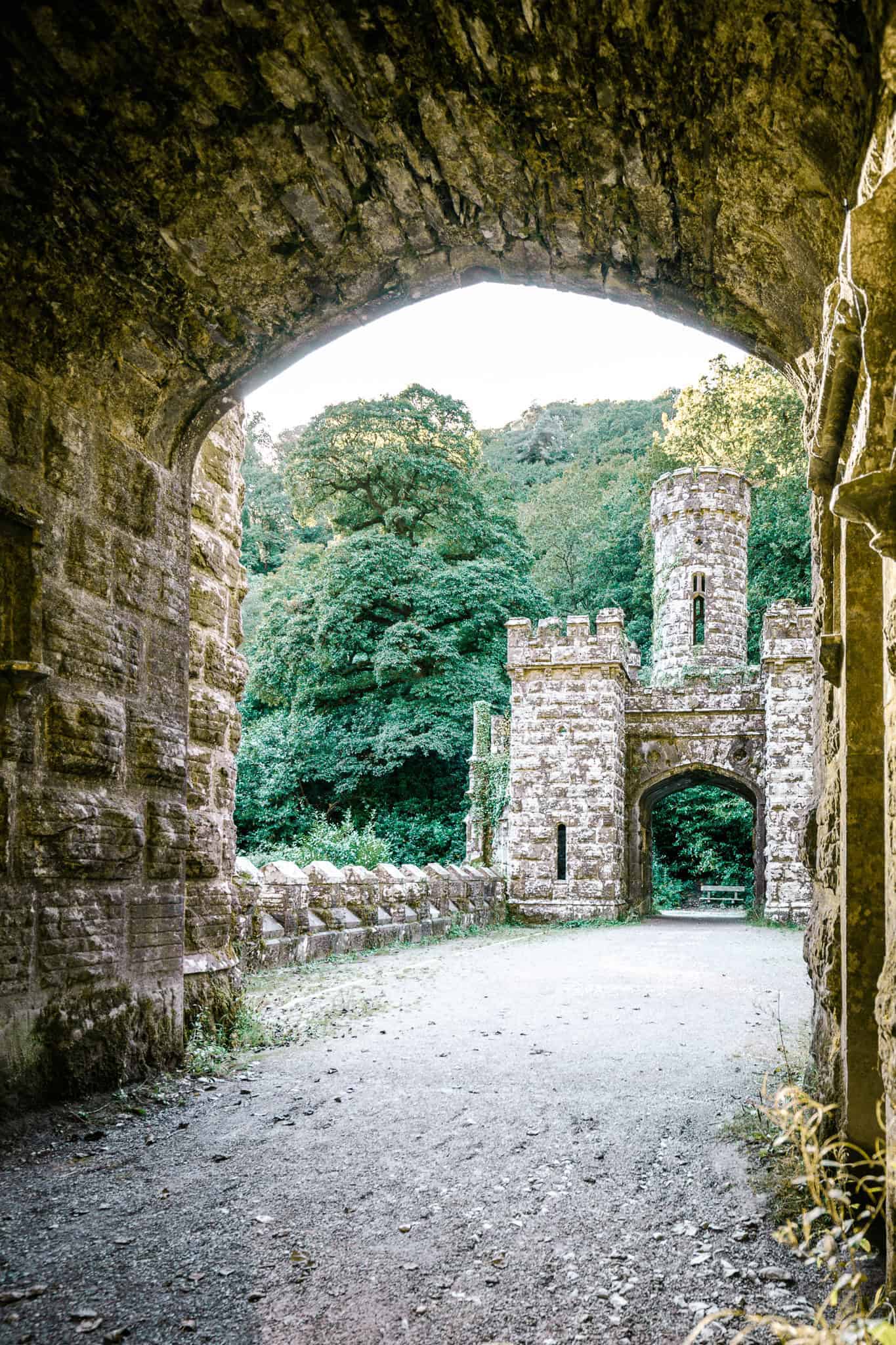
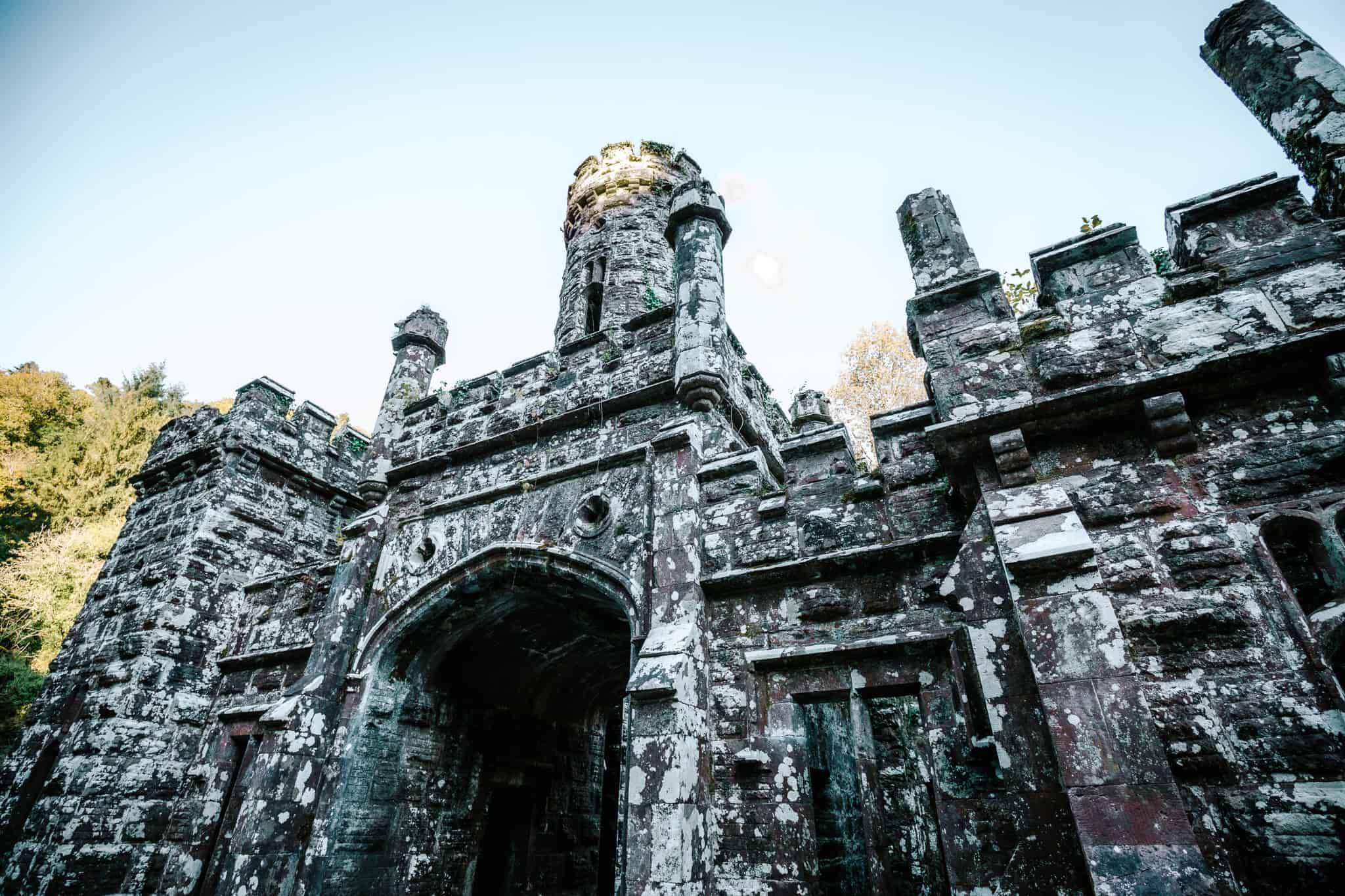
Back at the tower, walk beneath its huge arches and closely examine the detailed stonework. Wander around for a bit, then cross the bridge to continue the trail.
The path leads deeper into the woods, winding through quiet, shady areas. You might spot squirrels or hear birds singing. Honestly, I found this part a little spooky, but that might’ve been because the sun was setting, and the forest was getting dark!
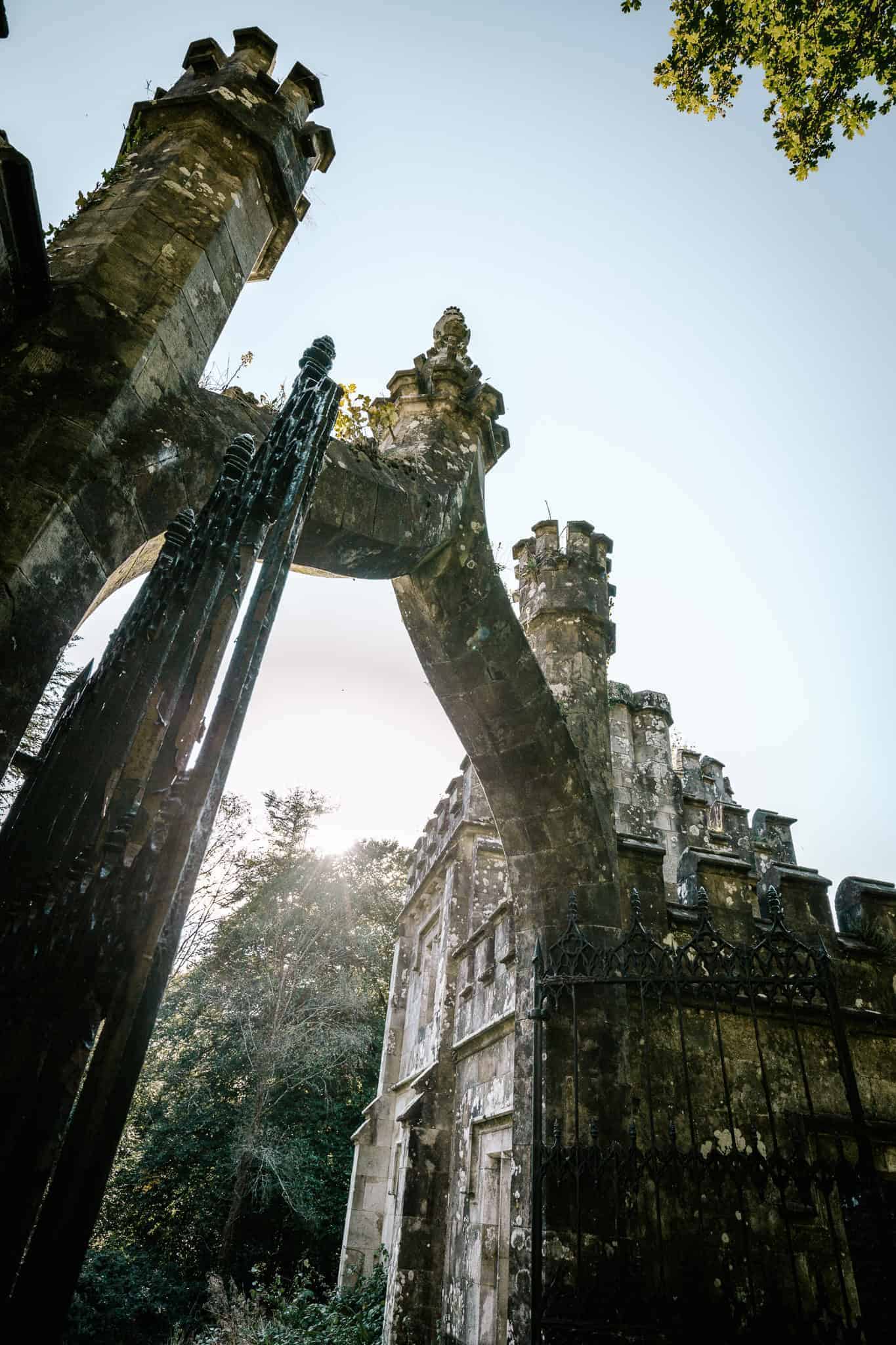
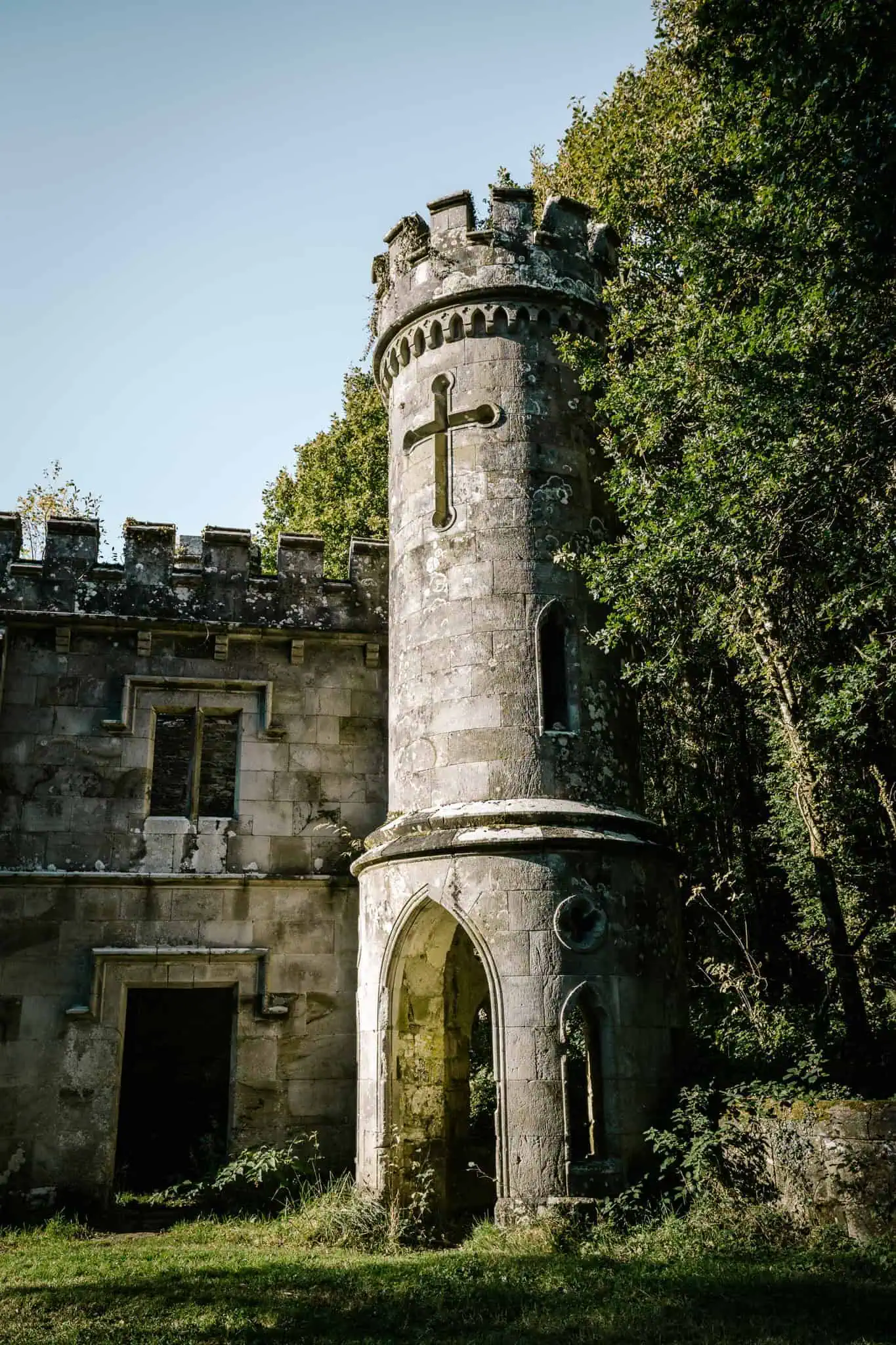
At the end of the trail, you’ll reach the Ballysaggartmore Lodges (also called the Gatehouse ruins). Take some time to explore before following the trail down to the right.
The loop eventually brings you back to the car park. This last part is a bit steeper with some tree roots, so watch your step. I nearly tripped myself, but that’s what I get for looking at my camera instead of the path! Now you’ve been warned!
Top Tips for Walking the Ballysaggartmore Towers Loop
Wear Comfortable Footwear
The trail is mostly flat but can get a bit slippery and uneven. Wear walking shoes or waterproof boots for better grip.
Visit Early or Late for Quiet Moments
Early mornings or late afternoons are the best times to visit for peace and soft lighting—perfect for photos. The trail doesn’t get too crowded.
Pack Light but Smart
Carry a small backpack with water, snacks, and a rain jacket, Irish weather can be unpredictable! In summer, insect repellent helps keep midges away in the woods. For a full list, read our Ultimate Ireland Packing Article or Download our 7-page checklist below.
Take Your Time to Explore
The loop is short, but don’t rush. Wander around the towers, cross the stone bridge, and enjoy the views. There’s a picnic table near the tower, ideal for a snack or rest.
Bring a Camera or Smartphone
The towers and forest are stunning in every season. Autumn’s colours and spring’s greenery make for great photos, so keep your camera ready!
Keep It Peaceful
This is a quiet, natural spot. Be mindful of others and keep noise to a minimum to maintain a peaceful atmosphere.
Leave No Trace
Take all rubbish with you and stick to the marked paths to help protect the area.
The Dark History Behind Ballysaggartmore Towers
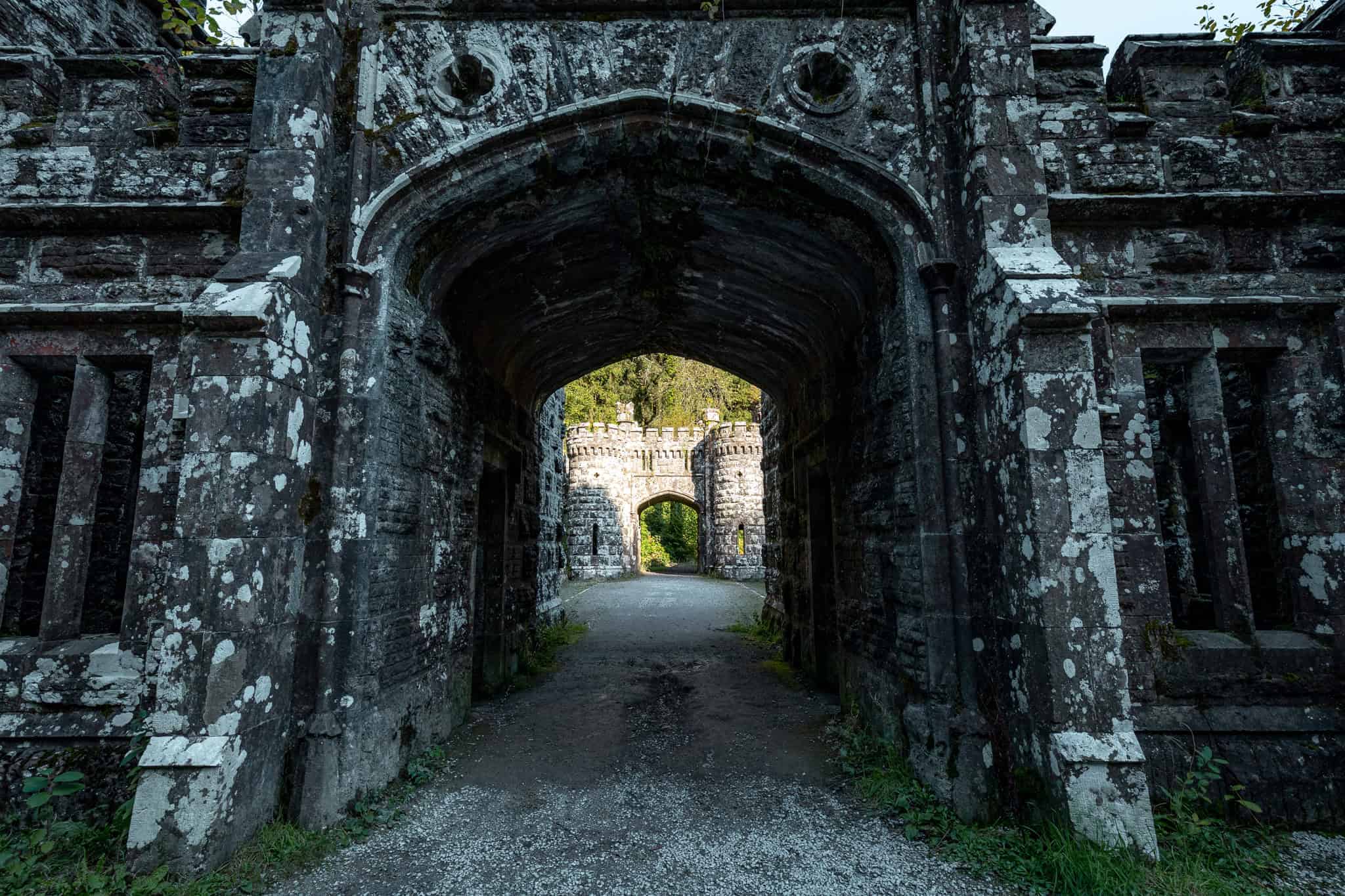
In the 1830s, wealthy landowner Arthur Kiely-Ussher built the grand Gothic towers and gate lodges at Ballysaggartmore. These impressive structures were meant to be the entrance to a mansion that was never completed.
The inspiration for this extravagant project came from Arthur’s wife, who envied her brother-in-law’s grand estate. Pushed by her jealousy, Arthur set out to build something even more magnificent.
This desire for grandeur led to the construction of the lavish stone towers and a bridge intended to be the gateway to a mansion that was never realised.

As the family poured money into building the towers, their funds quickly ran dry. This financial strain coincided with the onset of the Great Famine (1845–1852), a devastating period when thousands of Irish people were starving and struggling to survive.
At the time, Kiely-Ussher who was known as a harsh and cruel landlord controlled around 8,000 acres of land, with 7,000 acres farmed by tenant farmers. While other landlords offered help or reduced rent, Arthur refused. He demanded full rent and evicted tenants who couldn’t pay, making life even harder for struggling families.
Eventually, the Kiely-Ussher family’s obsession with wealth led to huge debts, and they were forced to sell the estate.
By the early 1900s, the property was owned by The Honourable Claud Anson and Lady Clodagh de la Poer Beresford. However, the estate was burned during the Irish War of Independence in 1922. With no way to rebuild, the house was left in ruins and later torn down.
Today, only the Ballysaggartmore Towers and the Gate Lodge remain—a haunting reminder of ambition, greed, and the heavy price of vanity.
Nearby Attractions & Things to Do
Lismore Castle & Gardens
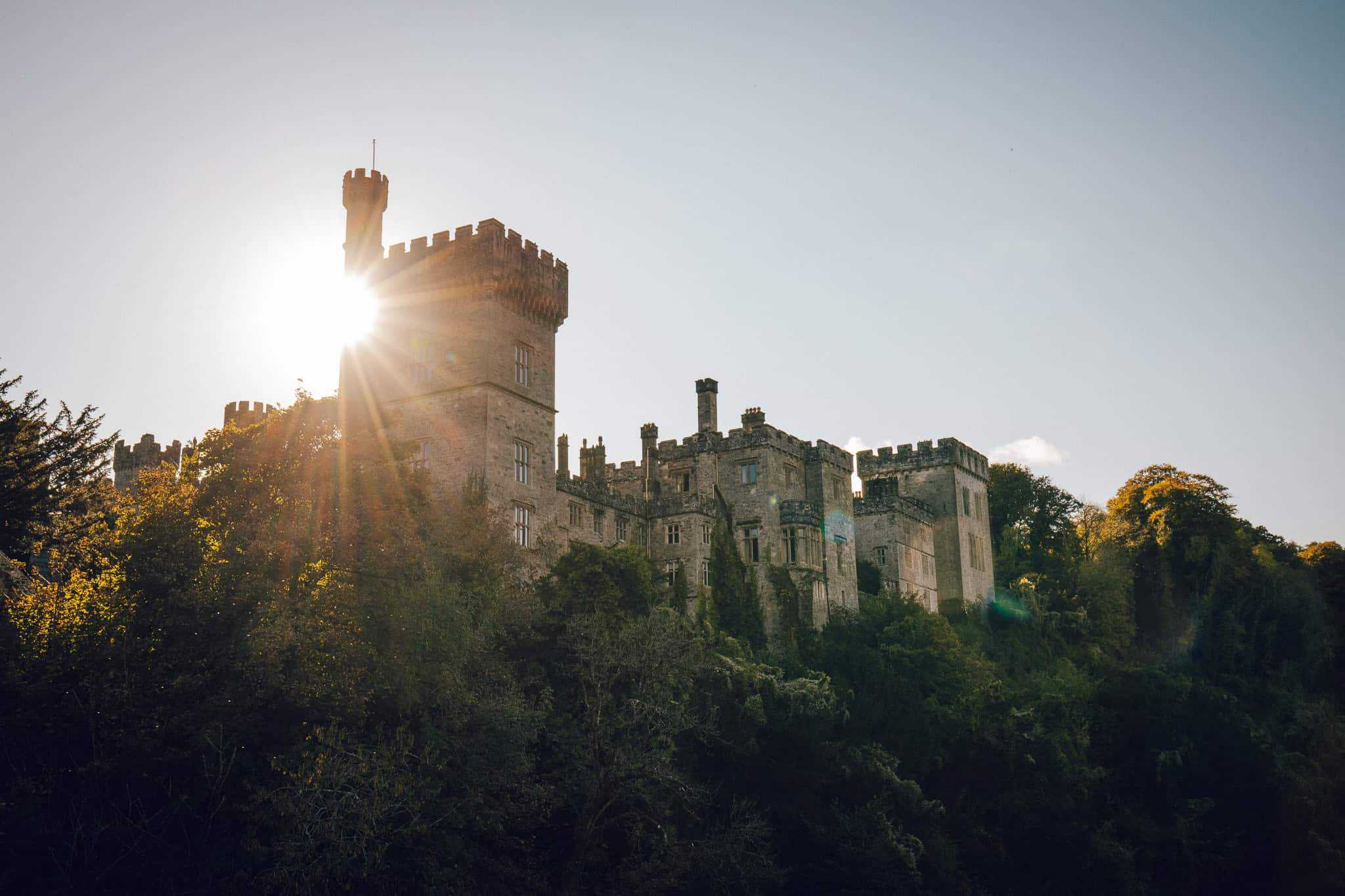
Lismore Castle is one of Ireland’s most stunning historic landmarks, built in the 12th century.
While the castle itself is privately owned and closed to the public (though it can be rented in full!), visitors can explore the beautifully maintained Lismore Gardens, which feature formal terraces and vibrant floral displays.
The Vee Drive
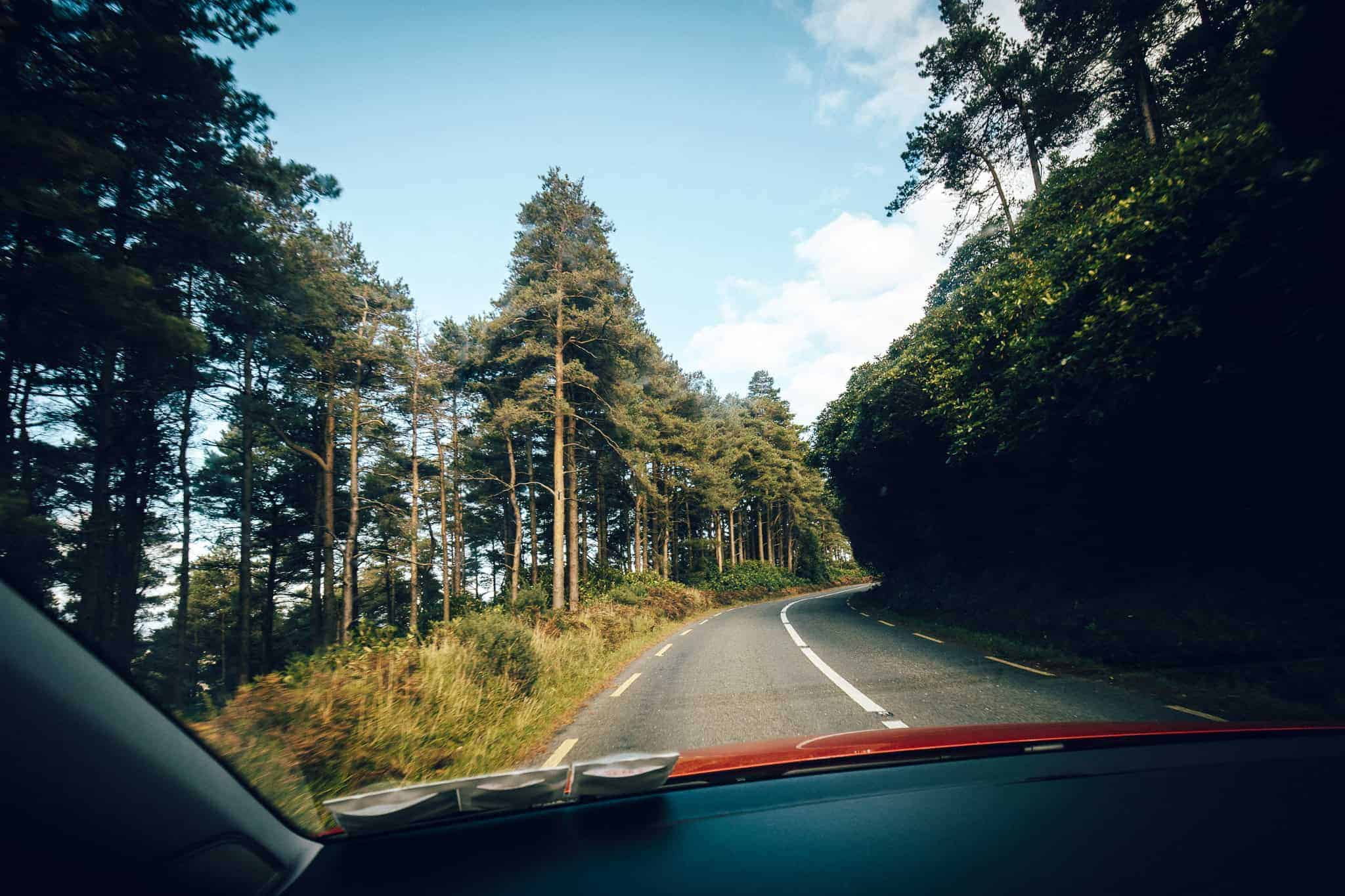
For breathtaking scenery, take a drive along The Vee, through the Knockmealdown Mountains. This winding route offers panoramic views of the Golden Vale and expansive countryside.
In late spring and early summer, the roadside comes alive with vibrant blooms of rhododendrons.
Cahir Castle
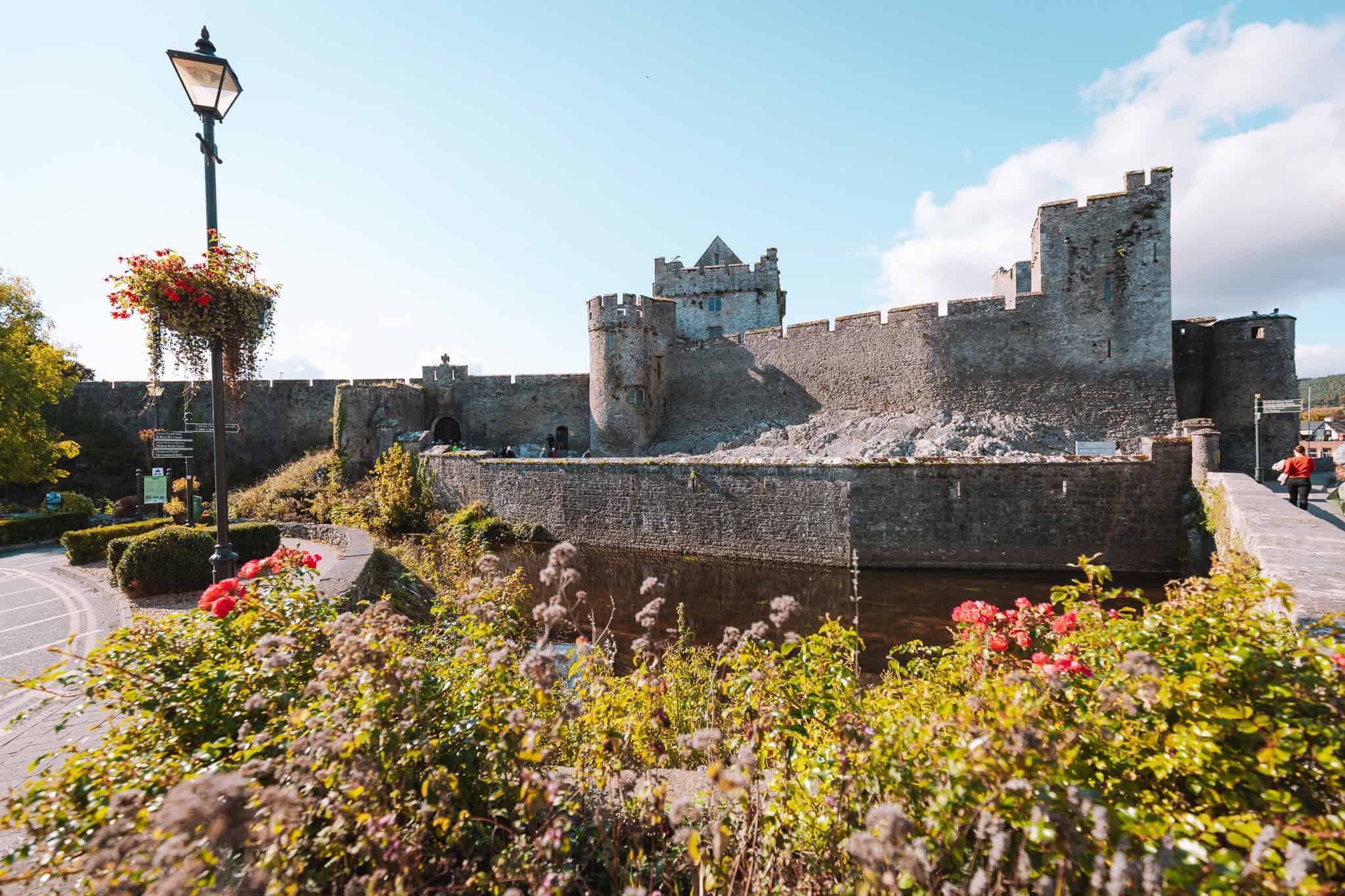
About 40 minutes north of Ballysaggartmore Towers, you’ll find Cahir Castle, one of Ireland’s largest and best-preserved medieval castles.
Sitting on an island in the River Suir, it showcases towering stone walls, strong defensive towers, and a gripping history of battles. You can explore its impressive halls, learn about medieval warfare, and enjoy guided tours that bring the past to life.
While you’re there, visit the nearby Swiss Cottage, a charming 19th-century ornamental cottage.
Copper Coast Drive
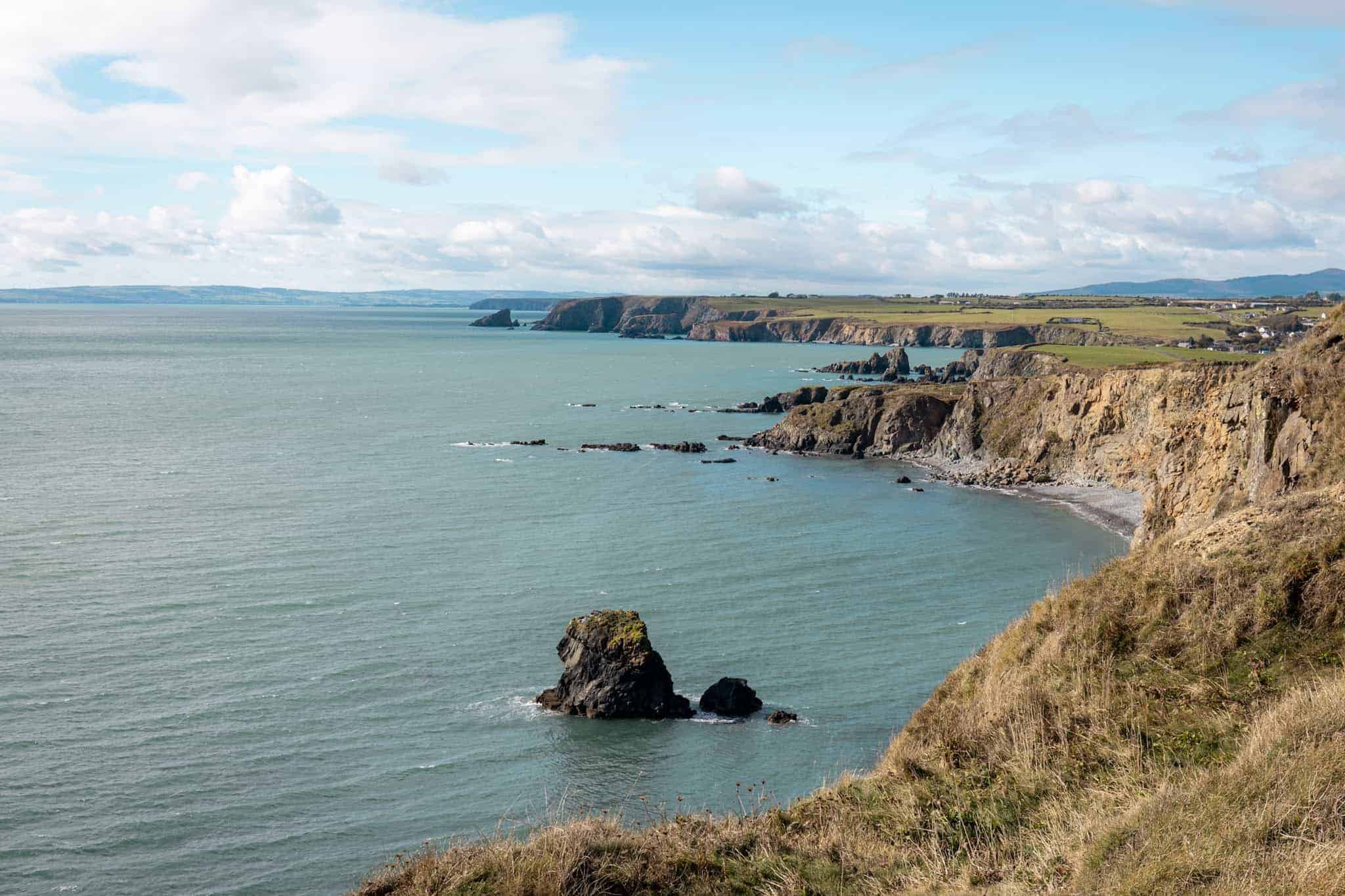
For coastal adventure, the Copper Coast is a must-see. Stretching along Waterford’s southern coastline, this UNESCO Global Geopark is famed for its rugged cliffs, golden beaches, and ancient rock formations.
The drive between Dungarvan and Tramore reveals hidden coves, charming villages, and opportunities for hiking and beachcombing.
Other Hidden Gems Nearby
For lesser-known treasures, visit the Dromana Gate, a stunning Hindu-Gothic-style gatehouse near Villierstown. The riverside village of Cappoquin is perfect for a quiet stroll and riverside views. Mitchelstown Cave, one of Europe’s largest caves, is a vast limestone cavern filled with impressive stalactites and stalagmites. For a peaceful woodland escape, Carey’s Castle, tucked away near Clonmel, offers a secluded ruin surrounded by tranquil forest trails.

ARE YOU ON PINTEREST?
What about saving this post to your Pinterest board?
Click on the photo to save this blog post for later. Follow Travel Ireland Today’s boards to see our latest pins.

I help you explore Ireland like a local with insider tips, detailed itineraries, and practical advice.
HEY THERE! I’M JEN…
Funder, Author & Photographer behind travelirelandtoday.com
Ireland has been my home for the last 12 years. Before settling here, I spent years backpacking around the globe, visiting 65+ countries. Along the way, I discovered my love for hiking, photography, and crafting budget-friendly itineraries.
Through this website, I share the best things to do and see in Ireland, detailed hiking guides, and practical tips to help you plan your perfect Irish adventure. Let’s make your trip unforgettable!



What a gorgeous hidden gem. Definitely would love to see it on our next visit.